
Climate and Environment
Preserving Our Planet: Understanding Climate and Environment

Climate and the environment are closely interconnected and have a significant impact on each other. Here's an overview of these two important concepts:
Climate:
Climate refers to the long-term patterns and averages of weather conditions, including temperature, humidity, precipitation, wind, and atmospheric pressure, in a specific region over an extended period, typically 30 years or more.
Climate is influenced by various factors, including the Earth's position relative to the sun (orbital variations), greenhouse gas concentrations in the atmosphere, ocean currents, and landmass distribution.
Climate change refers to significant and long-term alterations in these climate patterns, often associated with the increase in greenhouse gas emissions due to human activities. This phenomenon leads to global warming, altered weather patterns, rising sea levels, and other environmental impacts.
Climate change has far-reaching effects on ecosystems, biodiversity, agriculture, water resources, and human societies. It contributes to more frequent and severe weather events, such as hurricanes, droughts, and heatwaves, posing a threat to both natural and human systems.
Efforts to address climate change include mitigation (reducing greenhouse gas emissions through actions like transitioning to renewable energy sources and energy efficiency) and adaptation (adjusting to the changing climate, such as building resilient infrastructure and adapting agricultural practices).
Climate change has a significant and often disproportionate impact on many third-world or developing countries. These impacts can exacerbate existing challenges and hinder economic and social development. Here are some key ways in which climate change affects these nations:
Extreme Weather Events: Developing countries often lack the infrastructure and resources to withstand or recover from extreme weather events like hurricanes, floods, and droughts. These events can lead to loss of life, displacement of communities, and damage to critical infrastructure.
Agriculture and Food Security: Many developing nations rely heavily on agriculture for their livelihoods. Climate change can disrupt rainfall patterns, increase temperatures, and lead to unpredictable growing seasons, affecting crop yields and food production. This can result in food shortages and malnutrition.
Water Scarcity: Climate change can alter precipitation patterns, leading to water scarcity in many regions. Developing countries may have limited access to clean water resources, and reduced availability of water can lead to health issues, sanitation problems, and conflicts over water resources.
Health Impacts: Climate change can contribute to the spread of diseases like malaria and dengue fever, as changing temperature and rainfall patterns create more suitable habitats for disease vectors. Health systems in many developing countries are often ill-equipped to deal with these challenges.
Sea-Level Rise: Rising sea levels can inundate coastal areas in developing countries, displacing millions of people and leading to the loss of valuable agricultural land and infrastructure. Low-lying island nations are particularly vulnerable to sea-level rise.
Economic Vulnerability: Developing countries often rely on sectors that are highly sensitive to climate, such as agriculture and natural resource extraction. Climate change can disrupt these sectors, leading to economic instability and poverty.
Limited Adaptation Capacity: Many developing nations lack the financial resources, technology, and expertise to adapt to the impacts of climate change effectively. This makes them more vulnerable to its effects.
Migration and Displacement: Climate change-induced environmental stresses can lead to migration within and across borders, potentially causing conflicts and strain on resources in both the affected areas and the regions to which people migrate.
Debt Burden: Developing countries may take on significant debt to finance climate adaptation and mitigation efforts, diverting resources away from other crucial development needs.
International Inequity: Climate change is primarily driven by emissions from developed nations, yet developing countries bear a disproportionate burden of its impacts. This creates an international equity issue, with developing countries calling for support and assistance from wealthier nations to address climate-related challenges.
Efforts to address climate change and its impacts on developing countries often involve international cooperation, financial assistance, and technology transfer to help these nations adapt to and mitigate climate change. The Paris Agreement, for example, recognizes the need for developed countries to provide financial and technological support to developing nations to help them cope with climate change.
Environment:
The environment encompasses all living and non-living things in the natural world, including ecosystems, biodiversity, air, water, soil, and all human-made structures and systems.
The environment consists of various components, including the natural environment (forests, oceans, deserts), built environment (cities, roads, buildings), and the social environment (human communities and their interactions with nature).
Environmental issues include pollution (air, water, soil), habitat destruction, deforestation, overfishing, loss of biodiversity, waste management, and the depletion of natural resources.
Environmental conservation involves efforts to protect and preserve the natural world. This includes the establishment of protected areas, sustainable resource management, and policies to reduce environmental degradation.
The environment and climate are closely connected. Environmental factors, such as land use changes and deforestation, can contribute to climate change by altering the balance of greenhouse gases in the atmosphere. Conversely, climate change can have significant impacts on the environment, affecting ecosystems, species distribution, and water availability.
Efforts to address climate and environmental issues often go hand in hand, as protecting the environment is crucial for mitigating climate change, and addressing climate change is essential for preserving the integrity of the environment. Sustainable practices, policies, and international cooperation are critical in addressing these complex and interrelated challenges.
About the Creator
Keep reading
More stories from Rameez Ahmed and writers in Earth and other communities.
Council Pledges Commitment to UN Children’s Rights
A local council has announced a renewed commitment to upholding the United Nations Convention on the Rights of the Child (UNCRC), signaling a stronger focus on child welfare, protection, and participation in policy decision-making. The pledge reflects a growing international trend in which local governments are taking active roles in implementing global human rights frameworks at the community level.
By Aarif Lashari5 days ago in Earth
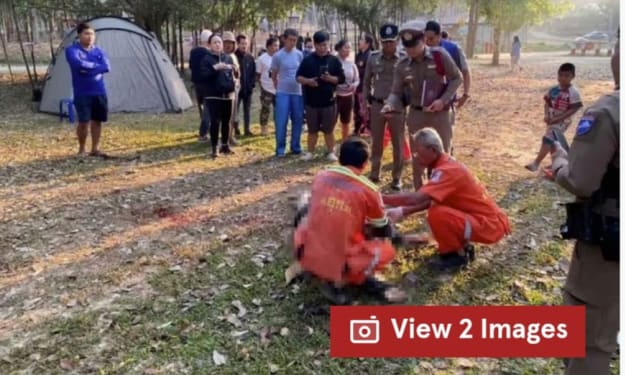
Tourist Killed by Elephant Previously Linked to Two Fatal Attacks at Thailand National Park
A tragic incident at a national park in Thailand has once again highlighted the dangers of human interaction with wild animals. Authorities confirmed that a tourist was killed by an elephant that had previously been involved in two fatal incidents. The case has reignited conversations about wildlife management, tourist safety, and the growing pressure on natural habitats due to tourism and human expansion.
By Aarif Lashari4 days ago in Earth
The Angry Man in Your House
"If you grow up with an angry man in your house, there will always be an angry man in your house" This statement has caused plenty of controversy online, people say its a statement that blames victims while also undermining those who break traumatic cycles to form health relationships... but if I'm honest now that I'm in my 30s it makes more sense to me than ever, and I'd argue that its not just about fathers and uncles.
By S. A. Crawforda day ago in Humans



Comments
There are no comments for this story
Be the first to respond and start the conversation.