
Chasing the First Light
Discovering the Science and Beauty Behind Sunrise Times Around the World
Chasing the First Light
Discovering the Science and Beauty Behind Sunrise Times Around the World
Long before alarm clocks and weather apps, people rose with the sun. Farmers, travelers, and entire civilizations once aligned their lives with the rhythms of nature — and at the heart of that rhythm was sunrise.
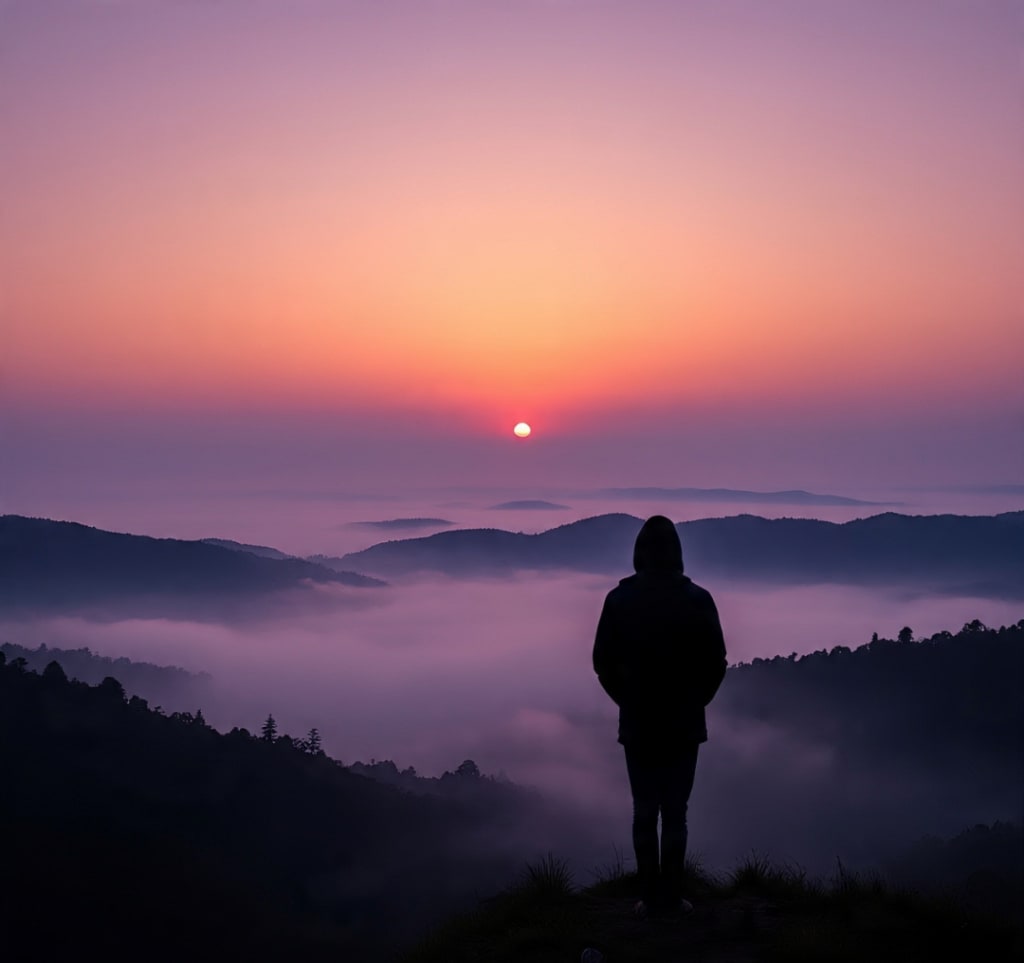
I became fascinated with sunrise times during a solo trip to the Scottish Highlands. On the second morning of my hike, I woke at 4:30 a.m. in a chilly tent, drawn outside by the soft whisper of wind and the promise of dawn. As I stood on a grassy ridge, the eastern sky began to glow — a slow, delicate transformation from deep navy to lavender, then apricot. The moment the sun peeked over the horizon, it struck me: this was the same sun rising over Tokyo, Nairobi, and Buenos Aires — but at completely different times. Why?
The timing of sunrise is influenced by a blend of factors — some beautifully simple, others more complex than you might expect. At the most basic level, it depends on latitude, longitude, and the time of year. The Earth’s axis is tilted at about 23.5 degrees, which causes different parts of the planet to receive varying amounts of sunlight throughout the year. This tilt explains the changing seasons — and why sunrise isn’t at the same time every day.
For example, near the equator, sunrise and sunset times are fairly consistent year-round. But if you travel north to places like Sweden or Alaska, the differences become dramatic. In midsummer, you might experience the “midnight sun” — where the sun never fully sets. In winter, days can be shrouded in near-total darkness.
But there’s more. The Earth’s elliptical orbit also affects the length of days. Around the solstices (in June and December), the sun’s path across the sky changes more slowly day-to-day, causing sunrise times to “stall” for a while. Around the equinoxes (in March and September), those changes accelerate. That’s why you might notice sunrise jumping earlier by several minutes each day in spring — and the reverse in autumn.
Then there’s something called the Equation of Time — a quirk of celestial mechanics that means solar noon (when the sun is highest in the sky) doesn’t always match up with 12:00 p.m. on the clock. This leads to small shifts in sunrise and sunset, further influenced by your position within a time zone.
All of this science is quietly at play every morning. Most of us miss it — buried under blankets, silenced by snooze buttons. But when you take the time to notice, sunrise becomes more than just the start of the day. It becomes a reminder of the planet’s elegant dance through space and time.
As I traveled more, I began collecting sunrises. In Morocco, I watched the sun rise over the Sahara, lighting up the dunes in gold. In New Zealand, I saw the first light hit the Pacific, knowing I was one of the first people on Earth to see that day begin. In Norway, I stood above a fjord at 3:00 a.m., watching the sky shift but never fully darken — a surreal display of the midnight sun.
Each sunrise brought with it not just warmth and light, but context — a deepened awareness of place, season, and scale. And it made me wonder: how often do we really notice the simple act of the sun rising?
Today, apps can tell you the exact sunrise time anywhere in the world. Pilots use that data to plan flights, photographers to capture perfect light, and farmers to time their work. But beyond the utility, there’s value in simply watching the sun come up. It's one of the few daily events that connects us across time zones, continents, and cultures.
Now, even at home, I make time to greet the sun. I check the sunrise time the night before, set my alarm, and brew a quiet cup of tea in the early dark. Then I step outside — onto my porch or into a nearby park — and wait. Sometimes it's cloudy, sometimes clear. But every time, there's a small moment of magic.
Because in a world that moves too fast, chasing the first light reminds me to slow down, to pay attention, and to stay curious. Sunrise is science. Sunrise is beauty. And most of all, sunrise is a daily gift — available to anyone willing to wake up and witness it.
About the Creator
Keep reading
More stories from Muhammad Saad and writers in Earth and other communities.
Whispers of the Setting Sun
Whispers of the Setting Sun Unveiling the Science, Beauty, and Symbolism Behind Nature’s Daily Masterpiece Every evening, the world pauses—if only for a moment—to witness a timeless performance: the setting of the sun. It’s a sight so familiar that many forget just how magical it really is. But behind every sunset lies a quiet blend of science and beauty, painting the sky with colors that speak to the soul and whisper stories older than time. The Golden Hour Begins As the day stretches into evening, the sun begins its slow descent. The light, once bright and direct, softens. Shadows grow longer, and the air seems to hold its breath. This is the “golden hour”—a favorite for photographers and dreamers alike—when everything is bathed in warm, amber light. But what causes this dramatic change in the sky? It all starts with the Earth's atmosphere. During sunset, sunlight has to travel through more of the Earth's atmosphere than it does at midday. Shorter blue and violet wavelengths scatter out of our line of sight, leaving the longer red, orange, and pink wavelengths to reach our eyes. It’s pure physics—and pure poetry. A Canvas That Changes Every Day No two sunsets are exactly alike. Some are bold and fiery, streaking the sky with passionate reds. Others are soft and pastel, a gentle transition from day to night. Cloud cover, humidity, pollution, and even volcanic ash can dramatically alter how a sunset looks. In cities, sunsets often glow deeper due to particles in the air that scatter light differently. In coastal areas, sunsets reflect off water, doubling their impact. In mountains, the fading light dances along jagged peaks, turning stone to gold. That’s part of the sunset’s charm: unpredictability. You never know what kind of sky you’ll get. But when the perfect conditions align, it's unforgettable. More Than Just a Pretty Sky Sunsets aren’t just beautiful—they’re deeply symbolic. Across cultures, the setting sun represents closure, peace, reflection, and renewal. In literature, a sunset often marks the end of a chapter or the calm before a dramatic change. In life, it reminds us that everything has a rhythm: beginnings, middles, and ends. For some, a sunset is spiritual—a moment to breathe, to give thanks, or to feel connected to something greater than themselves. It’s a daily reminder that even endings can be beautiful. Chasing Sunsets People travel the world to find the perfect sunset. From the Santorini cliffs in Greece to the savannahs of Kenya, from Bali’s beaches to the deserts of Arizona, sunsets become memories that last a lifetime. They inspire painters, poets, and everyday people to stop, take out their phones—or just breathe it all in. And while technology connects us, sunsets remind us of something older and more essential: our connection to the Earth and its cycles. A Moment Worth Noticing In a world that moves fast, sunsets invite us to slow down. To look up. To feel something. They're free, they happen every day, and yet they never feel ordinary. So the next time you see the sky shift to shades of fire and rose, take a moment. Watch the colors change. Let the warmth of the light touch your face. Listen to the quiet. It’s more than just the end of a day—it’s nature’s way of saying, “You made it.” And tomorrow, it will rise again.
By Muhammad Saad 7 months ago in Earth
Mount Sinai, the World’s Oldest Monastery, and the Prophet’s Letter: Faith, History, and a Controversial Development Plan
At a sacred site revered by Muslims, Christians, and Jews alike, an ambitious modernization project has stirred debate after reports of graves being relocated—raising questions about heritage, memory, and the cost of progress.
By Irshad Abbasi 4 days ago in Earth


Comments
There are no comments for this story
Be the first to respond and start the conversation.