
‘California is meant to burn': Experts teach landowners art of prescribed burns
fire in California

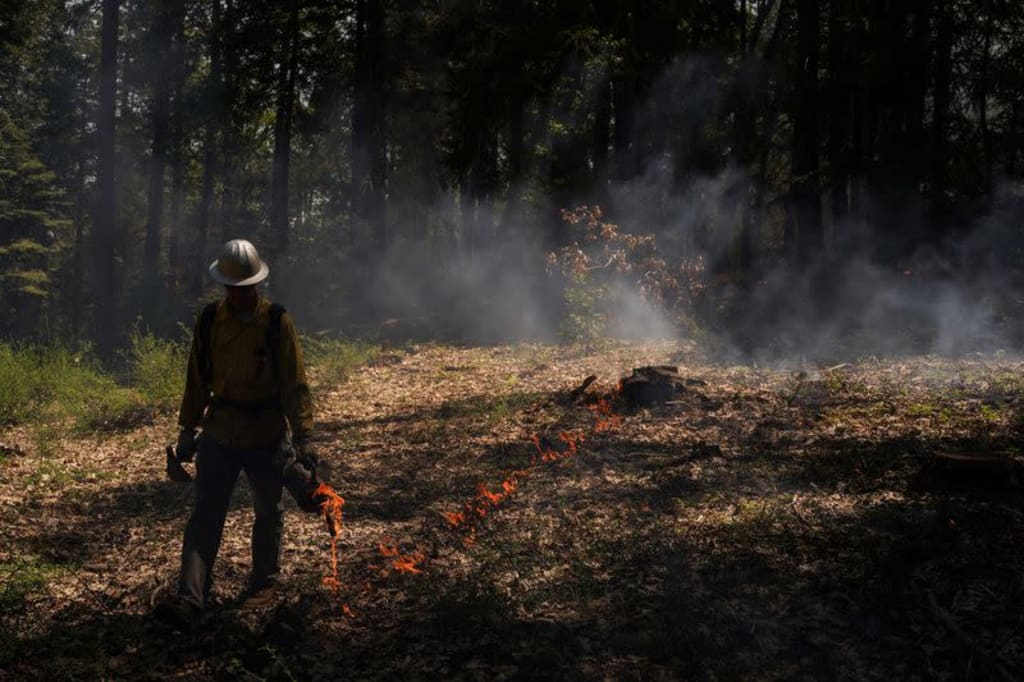
‘California is meant to burn': Experts teach landowners art of prescribed burns June 1, 2023
June 1, 2023 - California, known for its picturesque landscapes and stunning natural beauty, has long grappled with devastating wildfires. However, in recent years, experts have been advocating for a different approach to mitigate the risk of wildfires: prescribed burns. These controlled fires are carefully planned and executed to reduce the buildup of vegetation and prevent uncontrolled wildfires. As part of a comprehensive strategy, landowners in California are now being taught the art of prescribed burns. By embracing this age-old practice, Californians hope to harness the power of fire to protect lives, property, and ecosystems. This article explores the significance of prescribed burns, their benefits, challenges, and the efforts underway to educate and empower landowners in this crucial endeavor.
The concept of prescribed burns is rooted in indigenous land management practices that date back centuries. California's ecosystems have evolved alongside periodic fire events, making fire an integral part of the state's natural processes. However, a century of fire suppression policies and expanding urbanization have disrupted this delicate balance, leading to increased fuel loads and the proliferation of dense vegetation. This altered landscape, coupled with a changing climate, has created a perfect storm for catastrophic wildfires.
Prescribed burns serve as a crucial tool for ecosystem restoration and fire risk reduction. By deliberately setting and controlling fires during the cooler and wetter seasons, land managers can mimic the natural fire regime and achieve multiple benefits. These burns remove excess vegetation, reduce the risk of uncontrollable wildfires, promote biodiversity, improve watershed health, and enhance overall ecosystem resilience. Additionally, prescribed burns can help in restoring native habitats, reduce invasive species, and provide habitat for fire-dependent flora and fauna.
While prescribed burns may seem counterintuitive to wildfire prevention, they offer numerous long-term benefits. By reducing excessive vegetation and fuel loads, prescribed burns create firebreaks that can slow or halt the spread of wildfires. These controlled fires consume the understory vegetation, reducing the intensity and destructive power of future wildfires. Moreover, prescribed burns can help protect communities by creating defensible space around homes and critical infrastructure.
Prescribed burns also contribute to improved forest health and resiliency. By removing smaller trees and brush, prescribed burns reduce competition for resources among larger, healthier trees, promoting their growth and vitality. This process mimics natural fire disturbances that historically shaped California's landscapes. Moreover, controlled burns can help prevent the conversion of forests into dense, homogeneous stands of trees, reducing the risk of catastrophic crown fires.
Prescribed burns offer significant environmental benefits as well. They can stimulate the germination of certain plant species, promote nutrient recycling, and improve soil health. In fire-adapted ecosystems, certain plants require heat or smoke cues to trigger seed germination. Prescribed burns create conditions that support the regeneration of fire-dependent species, contributing to the overall biodiversity and functioning of ecosystems.
Despite the benefits, there are several challenges and considerations associated with implementing prescribed burns. One major challenge is the weather conditions necessary to conduct these controlled fires safely. Prescribed burns require specific temperature, humidity, wind, and moisture conditions to ensure the fire remains manageable and contained. This necessitates careful planning and coordination to choose the right time and conditions for burning.
Air quality is another significant concern when conducting prescribed burns, particularly in densely populated areas. Smoke from these fires can pose health risks, especially for individuals with respiratory conditions. To mitigate these concerns, land managers work closely with air quality officials to develop smoke management plans that minimize the impact on public health
About the Creator
Ishtiaq tahir
my name is IshtiaqTahir I am professional content writer and astrologer,numerologist.
Keep reading
More stories from Ishtiaq tahir and writers in Earth and other communities.
Depths of Sexual Love
Introduction: Sexual love is a profound and complex aspect of human experience that intertwines our physical, emotional, and psychological realms. It encompasses the powerful connection between individuals, drawing upon desire, intimacy, and pleasure. Throughout history, sexual love has been a subject of fascination, contemplation, and exploration in literature, art, and everyday life. This essay aims to delve into the multifaceted nature of sexual love, examining its significance, challenges, and transformative potential within the human experience.
By Ishtiaq tahir 3 years ago in Filthy
New Study Issues Dire Warning About Worsening Conditions in Major US River: ‘The Outlook … Does Not Look Good’
A recent study examining one of the United States’ most critical waterways has raised alarm bells for environmentalists, policymakers, and communities that rely on it for drinking water, agriculture, and commerce. The research, conducted by a consortium of scientists from leading universities and federal agencies, indicates that the river’s health is deteriorating at an unprecedented pace, and without immediate intervention, the consequences could be catastrophic.
By Fiaz Ahmed Brohi7 days ago in Earth



Comments
There are no comments for this story
Be the first to respond and start the conversation.