

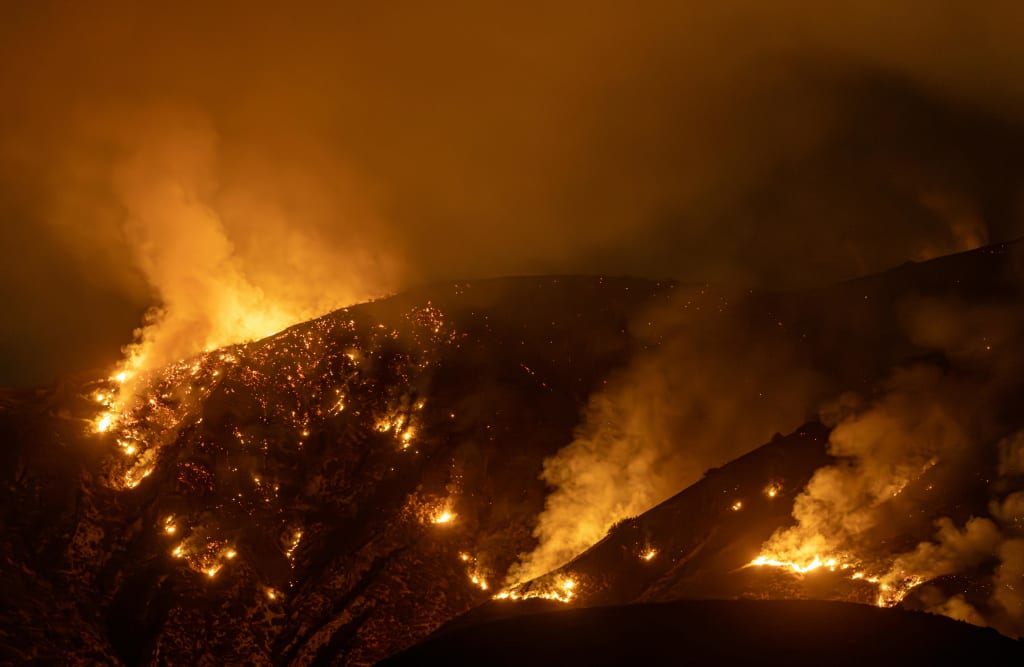
*California wildfires are a result of a complex interplay of natural and human factors. Below is an 800-word exploration of the primary reasons behind these devastating fires:
Geography and Climate
California’s geography and Mediterranean climate play a pivotal role in its susceptibility to wildfires. The state experiences long, dry summers and mild, wet winters, which lead to vegetation growth in the cooler months and subsequent drying during the hot season. This dried vegetation becomes highly flammable fuel for fires. Moreover, California's diverse topography, including forests, grasslands, and chaparral, provides varying fuel types that can sustain different fire behaviors.
The state is also influenced by weather phenomena like the Santa Ana and Diablo winds, which occur in Southern and Northern California, respectively. These hot, dry winds can gust at high speeds, rapidly spreading wildfires across vast areas. Additionally, periodic droughts exacerbate the problem by further drying out vegetation and lowering soil moisture levels, creating ideal conditions for fires to ignite and spread.
Human Activity
Human activity is a significant driver of wildfires in California. Studies have shown that nearly 85% of wildfires in the United States are caused by human actions. In California, activities such as unattended campfires, discarded cigarettes, sparks from machinery, and power line failures are common ignition sources.
One prominent example is power infrastructure failures, where aging equipment or insufficiently maintained power lines spark fires. Notable incidents, like the 2018 Camp Fire—California’s deadliest and most destructive wildfire—were traced back to Pacific Gas and Electric Company (PG&E) equipment failures.
Urbanization also plays a role. As more people move into wildland-urban interface areas, the risk of fires increases. These areas, where human development meets natural landscapes, are particularly vulnerable because human activity can inadvertently ignite fires. Moreover, firefighting resources are often stretched thin trying to protect these expanding communities.
Climate Change
Climate change is amplifying the frequency, intensity, and duration of California wildfires. Rising global temperatures have led to hotter and drier conditions, making vegetation more susceptible to burning. The state has seen a significant increase in the length of its fire season, which now extends nearly year-round. Heatwaves, reduced snowpack, and earlier snowmelt also contribute to prolonged dry seasons.
Furthermore, climate change is associated with increased lightning activity, another natural ignition source for wildfires. Combined with already dry conditions, these lightning strikes can spark massive fires in remote areas.
Forest Management Practices
Forest management practices have historically contributed to the wildfire problem. For much of the 20th century, fire suppression was the primary approach to dealing with wildfires. While this strategy protected communities and resources in the short term, it inadvertently allowed forests to accumulate excessive fuel, such as dead trees and dense underbrush. This build-up has created conditions for more severe and uncontrollable fires.
In recent years, there has been a shift toward strategies like controlled burns and fuel reduction projects. Controlled burns mimic natural fire cycles by intentionally setting small, manageable fires to clear excess vegetation. However, regulatory challenges, public opposition, and limited resources have hindered the widespread implementation of these methods.
Ecological and Natural Factors
California's natural ecology has evolved with fire as a regular part of its cycle. Many native plants, such as chaparral and certain types of pine trees, are fire-adapted. Some even require fire to release seeds or stimulate new growth. While these ecosystems can recover from occasional wildfires, the increasing frequency and intensity of fires, driven by human and climatic factors, are disrupting these natural cycles.
Additionally, invasive plant species, such as cheatgrass, exacerbate wildfire risks. These species are highly flammable and spread quickly, creating a continuous fuel source that facilitates the rapid spread of fires.
Urban Development and Risk
As California’s population grows, urban development continues to encroach on natural landscapes. This urban sprawl increases the likelihood of human-caused ignitions while placing more lives and properties at risk. Development in wildfire-prone areas also complicates firefighting efforts, as resources must be allocated to protect homes and infrastructure rather than focusing solely on controlling the fire.
Economic and Policy Challenges
The economic and policy landscape further influences wildfire outcomes in California. Funding constraints often limit the capacity of fire prevention and response programs. While the state allocates significant resources to firefighting, more investment is needed in prevention measures, such as fuel reduction and community education.
Additionally, land-use policies sometimes incentivize development in high-risk areas. Stricter zoning regulations and building codes could mitigate wildfire risks, but implementing such measures often faces political and public resistance.
Conclusion
California wildfires are the result of a multifaceted interplay of natural conditions, human activity, climate change, and policy challenges. Addressing this issue requires a comprehensive approach that includes better forest management, investments in firefighting and prevention, stricter land-use policies, and global efforts to combat climate change. While wildfires will always be a part of California’s landscape, proactive measures can mitigate their impact and help protect communities, ecosystems, and the state’s economy.
About the Creator
Faisal Rahman
HELLO
🐘Wildlife 🌳 Environment 🥋3rd° See nature through my eyes
Poetry, fiction, horror, life experiences, and author photos.
https://www.instagram.com/faisal_rahmann7/profilecard/?igsh=d25zemwzOGEzZXZv
Keep reading
More stories from Faisal Rahman and writers in Earth and other communities.
The Plant That Thrives Without Water, Loves Heat, and Turns Any Yard Into a Butterfly Haven
As climate change reshapes weather patterns and water scarcity becomes a growing concern, gardeners around the world are rethinking what they plant. The era of thirsty lawns and delicate flowers is slowly giving way to a new generation of resilient, eco-friendly greenery. Among these standout survivors is a remarkable plant that thrives without regular watering, flourishes in intense heat, and transforms ordinary yards into vibrant butterfly sanctuaries. This plant is commonly known as butterfly weed (Asclepias tuberosa), a hardy native species that is redefining sustainable gardening. Built for Heat and Drought Butterfly weed is naturally adapted to harsh conditions. Native to dry prairies and open grasslands, it has evolved deep roots that allow it to access moisture far below the surface. Once established, it requires little to no supplemental watering, even during prolonged heatwaves. Unlike traditional garden plants that wilt under the sun, butterfly weed actually thrives in full sunlight. Temperatures that scorch lawns and stress ornamentals are exactly what this plant prefers. Its thick, narrow leaves minimize water loss, while its sturdy stems resist wind and heat damage. For homeowners living in drought-prone or arid regions, this makes butterfly weed an ideal solution—beautiful without being demanding. A Magnet for Butterflies and Pollinators What truly sets butterfly weed apart is its powerful role in supporting pollinators. Its bright orange, yellow, or red flower clusters are rich in nectar, attracting a wide range of butterflies, bees, and other beneficial insects. Most notably, butterfly weed is a critical host plant for monarch butterflies. Monarchs lay their eggs exclusively on milkweed species, and butterfly weed provides both food and shelter for their caterpillars. With monarch populations declining due to habitat loss and pesticide use, planting butterfly weed can make a real difference. Beyond monarchs, the plant also draws swallowtails, painted ladies, and native bees, turning even a small yard into a buzzing ecosystem. Low Maintenance, High Impact One of the biggest appeals of butterfly weed is how little effort it requires. After the first growing season, maintenance is minimal. It doesn’t need frequent pruning, fertilizing, or pest control. In fact, overwatering or rich soil can actually harm it. It grows well in poor, sandy, or rocky soil—conditions that many gardeners struggle with. Once planted, it establishes itself slowly but steadily, returning year after year as a reliable perennial. This makes it perfect for busy homeowners, beginners, or anyone looking to reduce water bills and gardening workload without sacrificing visual appeal. Beauty With a Purpose Butterfly weed proves that sustainable gardening doesn’t mean compromising on aesthetics. Its vivid flowers bloom for weeks during summer, creating bold color contrasts in landscapes that might otherwise look dry or dull. It pairs well with ornamental grasses, lavender, and other drought-tolerant plants, making it a favorite in modern xeriscaping designs. Whether planted in borders, wildflower gardens, or urban yards, it brings both structure and color. Unlike invasive ornamentals, butterfly weed coexists peacefully with native plants, strengthening local ecosystems rather than disrupting them. A Climate-Smart Choice As heatwaves become more frequent and water restrictions more common, plants like butterfly weed represent the future of gardening. They reduce dependence on irrigation, support wildlife, and help landscapes remain resilient under changing conditions. By choosing drought-tolerant, native species, gardeners can actively participate in climate adaptation—one plant at a time. Butterfly weed, in particular, shows how small choices can have wide-reaching environmental benefits. How to Grow It Successfully Growing butterfly weed is straightforward. It prefers full sun and well-drained soil. Seeds can be sown directly in the ground, though patience is key—the plant focuses on root development in its first year before producing abundant blooms. Once established, it requires little care. Avoid fertilizers and heavy mulching, and let nature do the rest. In return, the plant will reward you with years of color and life. Final Thoughts The plant that thrives without water, loves heat, and turns any yard into a butterfly haven is more than just a gardening trend—it’s a symbol of a smarter, more sustainable relationship with nature. Butterfly weed proves that beauty and resilience can go hand in hand. In a world facing rising temperatures and shrinking resources, it offers a hopeful reminder: sometimes, the toughest plants create the most vibrant life.
By Fiaz Ahmed Brohiabout 14 hours ago in Earth
TODAY’S WEATHER NEWS ACROSS THE UNITED STATES WHAT AMERICANS SHOULD EXPECT RIGHT NOW
TODAY’S WEATHER NEWS ACROSS THE UNITED STATES WHAT AMERICANS SHOULD EXPECT RIGHT NOW Weather conditions continue to be one of the most discussed daily topics across the United States, especially as seasonal transitions bring noticeable changes in temperature, storms, and regional weather patterns. Today’s weather reflects a mix of warming trends, lingering cold pockets, and active systems affecting different parts of the country. From the West Coast to the East Coast, Americans are paying close attention to how temperatures will feel, whether rain or snow is expected, and how conditions may impact daily routines.
By America today a day ago in Earth


Comments
There are no comments for this story
Be the first to respond and start the conversation.