
Butterfly Populations Plummet 22%: Alarming Decline Threatens Biodiversity
New study reveals significant losses in U.S. butterfly species over two decades

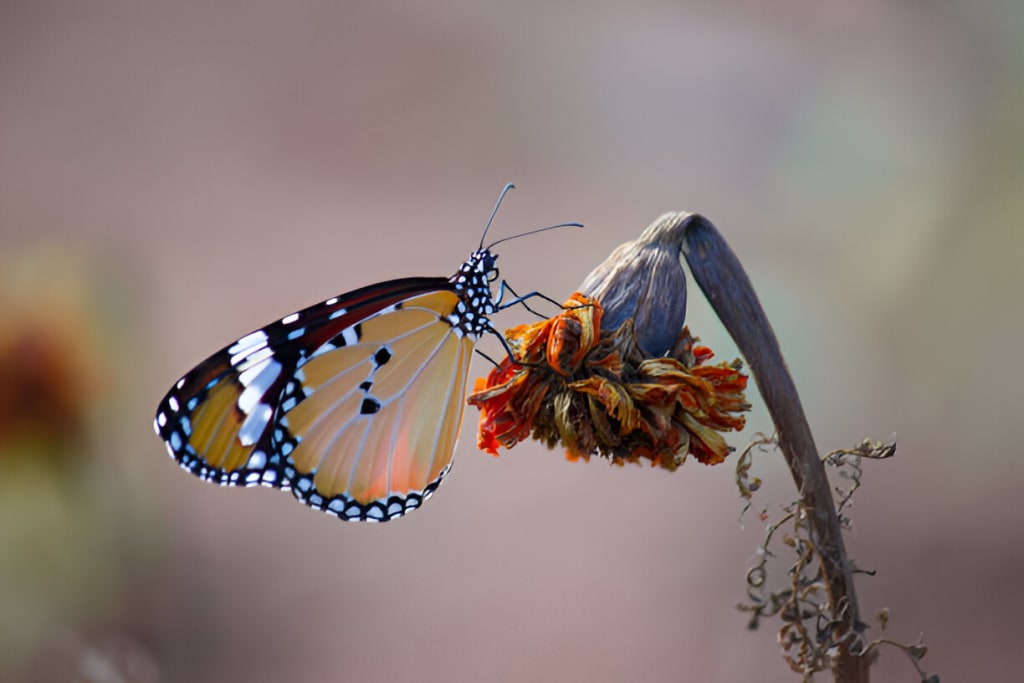
Something is missing from our skies. Look around, and you’ll notice that the delicate dance of butterflies is becoming a rare sight. These tiny pollinators, once a common part of nature’s rhythm, are vanishing at an alarming rate. Researchers have uncovered a shocking reality: butterfly populations in the United States have shrunk by 22% in just two decades. This isn’t just about losing a beautiful species. It’s a red flag for the entire ecosystem, a sign that something is deeply wrong.
🦋 Scientists Sound The Alarm
Over a 20-year period, scientists conducted more than 76,000 surveys across the country, tracking 554 species. The results are devastating. Several butterfly populations have suffered massive declines, with some, like the American lady and red admiral, plummeting by more than 50%. These numbers aren’t just statistics. They represent an unraveling of delicate ecosystems that depend on these insects for balance.
🦋 Why This Should Worry Everyone
Butterflies are far more than beautiful creatures fluttering through gardens. They play a key role in pollination, keeping plants and crops thriving. Without them, food chains begin to crumble. When butterflies struggle to survive, it signals trouble for the entire environment. Their decline is an urgent warning that climate shifts, habitat destruction, and pesticides are wreaking havoc on nature. If butterflies are vanishing, what does that say about the future of other species, including us?
🦋 What’s Behind The Disappearance
This crisis didn’t happen overnight. It’s the result of rapid changes that are taking a toll on butterfly populations:
- Habitat Destruction
Natural spaces are being bulldozed for urban expansion and large-scale farming. This wipes out the native plants that butterflies rely on for food and breeding.
- Pesticides And Chemicals
Modern agriculture depends heavily on insecticides, but these chemicals don’t discriminate. They’re designed to kill pests, yet they take down pollinators as well. The widespread use of toxic substances is wiping out entire butterfly colonies.
- Climate Disruptions
Butterflies are highly sensitive to weather patterns. When temperatures rise too quickly or seasons shift unpredictably, their life cycles are thrown off balance. Extreme weather events make survival even harder.
🦋 The Monarch’s Struggle Tells A Bigger Story
Monarch butterflies, once a symbol of resilience, are now on the verge of collapse. Their eastern population has dropped by 80% since the 1980s, and the western population has been nearly wiped out with a 95% decline. Scientists point to habitat destruction, pesticide exposure, and climate instability as the major culprits. If even the most recognizable butterfly is struggling to survive, the situation is worse than we think.
🦋 The Crisis Is Global
The problem isn’t just in the United States. Studies show that butterfly populations in the Netherlands have fallen by 84% since the late 1800s. In Switzerland, more than half of insect species are at risk. These findings confirm that the issue extends beyond borders. The sharp decline of insects worldwide raises concerns about food security, biodiversity, and environmental stability.
🦋 How To Help Before It’s Too Late
There’s still hope. Small, collective efforts can slow down this crisis and help butterfly populations recover:
- Grow Native Plants
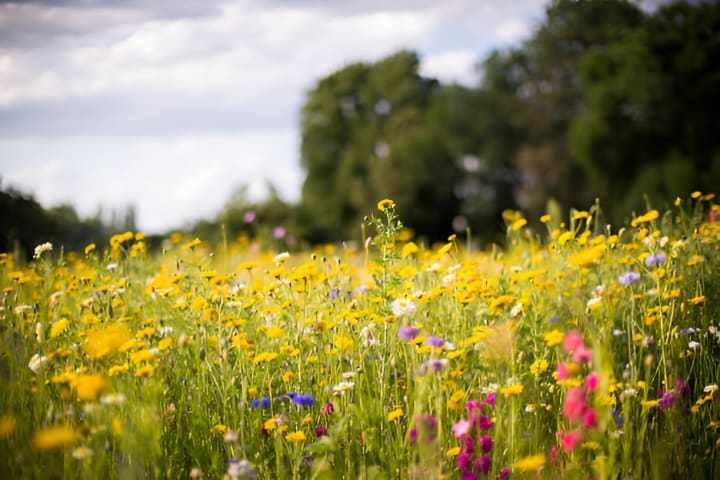
Butterflies rely on specific plants for food and reproduction. Planting milkweed and other native flowers creates a safe habitat for them to thrive.
- Ditch Harmful Pesticides
Choosing organic gardening methods reduces chemical exposure, protecting butterflies and other beneficial insects.
- Support Conservation Projects
Local and global conservation groups are fighting to restore butterfly habitats. Contributing to these efforts helps keep critical ecosystems intact.
- Raise Awareness
The more people understand the impact of butterfly loss, the more pressure there is for change. Sharing information and supporting environmental policies can drive action.
🦋 Losing Butterflies Means Losing More Than We Realize
Not long ago, summer fields and gardens were filled with vibrant wings, a natural display of life and color. Their dwindling presence is a warning that can’t be ignored. This isn’t just a problem for nature lovers. It affects farmers, gardeners, and anyone who relies on a balanced ecosystem. The loss of butterflies is a signal that the environment is under threat, and if nothing changes, we will face consequences we can’t afford. The time to act is now, before the silence left behind becomes permanent.
-------------------------------------------------------------------------
“How long will the land lie parched and the grass in every field be withered? Because those who live in it are wicked, the animals and birds have perished. Moreover, the people are saying, ‘He will not see what happens to us.’” - Jeremiah 12:4, NIV
-------------------------------------------------------------------------
💡 Something You Might Find Useful:
Butterflies are disappearing fast, with over 450 species worldwide facing population declines due to habitat loss and pesticide use. This isn’t just bad for biodiversity—it also threatens food production, since these pollinators play a crucial role in growing fruits and vegetables.
A self-sufficient lifestyle can help restore natural ecosystems, providing safe havens for pollinators while ensuring food security. By growing your own food using sustainable methods, you create a thriving environment for butterflies, bees, and other essential wildlife. Plus, it reduces reliance on commercial agriculture, which often harms the environment.
If you’re interested in learning practical, time-tested ways to live more sustainably and support nature at the same time, this guide might be exactly what you need.
About the Creator
Ojo
🔍 I explore anything that matters—because the best discoveries don’t fit into a box...
The Day the Forest Spoke
A Walk Into the Unknown It began as an ordinary hike, a chance to escape the chaos of the city and immerse myself in the green stillness of the old Redwood Forest at the edge of my town. The sun filtered through the towering trees in long golden beams, the leaves rustling faintly with a whisper of wind, and for a moment, I felt at peace — detached from deadlines, notifications, and the endless noise of human life. I hadn’t planned for anything extraordinary, just a few hours of solitude surrounded by the ancient giants that had stood for centuries, quietly observing the world.
By The Curious Writer4 days ago in Earth


Comments (1)
Butterfly’s are amazing! Wonderful!