
BRICS: Emerging Economic Alliance Explained
Insights into the Growing Economic Powerhouse

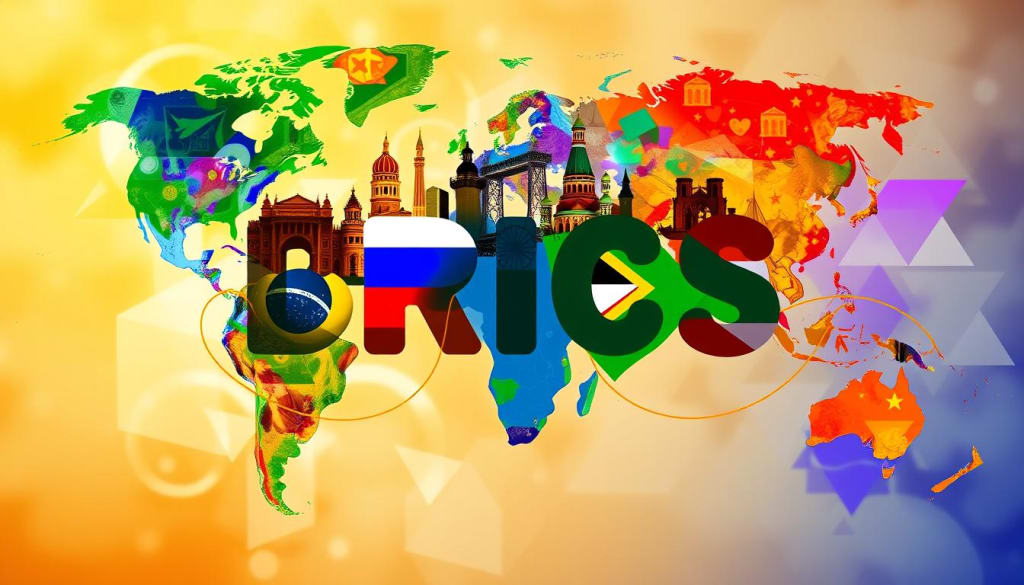
The BRICS alliance includes Brazil, Russia, India, China, and South Africa. It's a strong economic group changing the world. This group of big emerging economies is key in shaping global trade, finance, and politics. We'll explore the BRICS' beginnings, importance, hurdles, and future in this article.
Key Takeaways
-BRICS is an alliance of five major emerging economies: Brazil, Russia, India, China, and South Africa.
-The BRICS nations collectively account for a significant portion of the global GDP, population, and natural resources.
-BRICS aims to promote economic cooperation, increase their influence in global affairs, and challenge the dominance of the traditional economic powers.
-The BRICS New Development Bank and Contingency Reserve Arrangement are key initiatives to promote financial cooperation and reduce dependence on Western-dominated institutions.
-BRICS faces challenges such as internal conflicts, geopolitical tensions, and economic disparities among its members.
What is BRICS?
BRICS stands for Brazil, Russia, India, China, and South Africa. These five countries are major players in the world economy. They are seen as a challenge to the old powers in global politics and economics.
Overview of the BRICS Nations
The BRICS countries are very different from each other. Each has its own strengths and challenges:
Brazil - A big player in South America, known for its large economy and natural resources.
Russia - A country with a huge land area and a big influence in energy and military affairs.
India - The biggest democracy, with a fast-growing economy and a young population ready to make a mark.
China - The second-largest economy, known for its manufacturing and focus on technology and infrastructure.
South Africa - The economic leader of Africa, with diverse resources, a strong financial sector, and a lively culture.
Significance of the BRICS Grouping
The BRICS countries are important because of their combined economic power and growing influence. They have a big share of the world's population, GDP, and trade. This makes them a significant force in international affairs.
The BRICS group allows these countries to work together on common goals. They focus on economic cooperation, political coordination, and changing global governance.
"The BRICS countries have the potential to become an economic powerhouse that could reshape the global order."
The Founding of BRICS
The BRICS alliance started in 2009. Leaders of the five nations had many discussions before it began. They wanted a more balanced and inclusive global economy.
In the early 2000s, Jim O'Neill from Goldman Sachs came up with the term "BRIC." He saw Brazil, Russia, India, and China as the future leaders of the world economy.
The first meeting of BRIC foreign ministers was in 2006 in New York. This was the start of their cooperation. The first BRIC Summit was in 2009 in Yekaterinburg, Russia. South Africa joined then, making it BRICS.
The main goals of BRICS were to:
-Promote economic cooperation among its members
-Support a fairer global financial system
-Boost the influence of emerging economies worldwide
Since starting, BRICS has grown into a big economic and political group. Its members have a big share of the world's population, GDP, and resources.
"The formation of BRICS was a strategic move to challenge the dominance of the traditional Western powers in the global economic and political landscape."
BRICS: Economic Powerhouses
The BRICS nations - Brazil, Russia, India, China, and South Africa - are a strong economic group. Together, they make up a big part of the world's economy. Their combined wealth is almost as much as the richest countries, showing they are growing fast.
These emerging economies are becoming more important in the world. They are expected to lead the way in the future.
Combined GDP and Growth Potential
The BRICS countries have over 30% of the world's GDP. This shows their strong economy. They also grow faster than many other countries, which is impressive.
This growth helps them work together better. It makes them more powerful in international trade and finance.
The table shows the BRICS' strong economic cooperation and growth. It highlights their role as emerging economies in the world.
BRICS and Global Trade
The BRICS nations - Brazil, Russia, India, China, and South Africa - are big players in global trade. These emerging economies are getting more involved in the world's trading system. They are changing international commerce with their growing trade and investment ties.
The economic influence of BRICS is growing. This has led to new financial institutions and ways to do business. These changes are big for the future of global trade and finance.

Impact on International Commerce
The BRICS nations are deeply connected to global trade and investment. Together, they have more power to shape commercial policies worldwide. They've set up the New Development Bank and the Contingent Reserve Arrangement. These are alternatives to the World Bank and the International Monetary Fund.
BRICS has brought new trade agreements and investment plans. The Regional Comprehensive Economic Partnership (RCEP) and the Belt and Road Initiative are examples. These could change global trade and power balances in the future.
"The rise of the BRICS nations has transformed the global economic landscape, challenging the traditional dominance of Western powers and paving the way for a more multipolar world order."
BRICS' Political Influence
The BRICS nations - Brazil, Russia, India, China, and South Africa - are a strong group on the world stage. They have a big economic impact and want to change the world order. They aim to give more power to developing countries in important decisions.
Together, BRICS countries are challenging Western powers. They want a fairer and more representative global system. They push for changes in big organizations like the UN Security Council and the World Bank.
The BRICS nations started the New Development Bank. It helps fund projects and supports sustainable growth in the Global South.
They also created the Contingent Reserve Arrangement. It helps protect against financial crises and keeps their economies stable.
BRICS members work together on diplomacy and security. They do joint military exercises and help each other in global crises.
As BRICS grows stronger, it's clear they're changing the world. Their rise means big changes for international relations and the economy.
"The BRICS countries are not just emerging economies, but emerging powers that are shaping the future of global governance."
BRICS' influence goes beyond their wealth. They're key players in the changing world. Their efforts to change global institutions could change the balance of power in the future.
The New Development Bank
The BRICS alliance has made a big move in the global finance world. They started the New Development Bank (NDB). This bank helps fund projects in BRICS and other growing economies. It's a new way to get money for important projects, helping these emerging economies grow.

Objectives and Functioning
The NDB's main goal is to help with infrastructure and sustainable projects in BRICS and other emerging economies. It uses the strong economy of BRICS to fill funding gaps. This helps projects move forward in these areas.
The NDB works with clear rules on being open, responsible, and caring for the environment. It offers loans and other help for projects like green energy and better cities. The bank decides what to fund based on what its members need, promoting economic cooperation and shared success.
Key Features of the New Development Bank
-Founding Members BRICS countries: Brazil, Russia, India, China, and South Africa
-Headquarters Shanghai, China
-Authorized Capital $100 billion
-Voting Structure - Equal voting rights for all member countries
-Lending Priorities - Infrastructure, sustainable development, and emerging economies
The New Development Bank is a big step for the BRICS alliance. It shows their dedication to sustainable growth and changing the global finance system. This change helps emerging economies more.
Challenges Facing BRICS
The BRICS alliance is growing in importance worldwide. Yet, it faces many challenges that could slow its growth and unity. These include internal conflicts and tensions among its members, as well as external pressures from global powers.
Internal Conflicts and Tensions
One big challenge for the BRICS is the internal conflicts and tensions. These emerging economies have different interests, leading to disagreements. It's important for the BRICS to work together to achieve its goals.
Differing economic and political priorities among member nations
Territorial disputes and historical animosities between certain BRICS countries
Competing regional and global ambitions that can create tensions
External Pressures and Geopolitical Rivalries
To overcome these challenges, the BRICS must focus on cooperation and a shared vision. By addressing these issues, the BRICS can maintain its global influence and reach its full potential.
BRICS Summits and Cooperation
The BRICS nations, including Brazil, Russia, India, China, and South Africa, have made significant strides in economic cooperation. Their regular summits serve as a crucial platform for leaders to tackle common challenges and align their policies. This collaboration aims to strengthen economic cooperation among the members.
The BRICS summit process kicked off in 2009 and has since become an annual event. Each country takes turns hosting the summit. These meetings cover a broad spectrum of topics, from economic governance to climate change. The leaders also push for reforms in institutions like the International Monetary Fund and the World Bank to reflect the growing influence of emerging economies.

Beyond the summits, BRICS nations have set up various dialogue and cooperation mechanisms. These include the BRICS New Development Bank and the Contingent Reserve Arrangement. Such initiatives have not only enhanced economic ties but also solidified their roles in the global economy and politics.
BRICS Summit Locations Year
Yekaterinburg, Russia 2009
Brasilia, Brazil 2010
Sanya, China 2011
New Delhi, India 2012
Durban, South Africa 2013
Fortaleza, Brazil 2014
Ufa, Russia 2015
Goa, India 2016
Xiamen, China 2017
Johannesburg, South Africa 2018
Brasilia, Brazil 2019
Moscow, Russia 2020
The BRICS summits and ongoing cooperation have significantly influenced the global economic and political scene. The emerging economies within this alliance are increasingly asserting their influence and advocating for reforms in international institutions. As BRICS nations deepen their ties, the future of this economic cooperation looks promising for the global economy.
Future of BRICS
The BRICS alliance is growing and changing. People talk about adding more emerging economies and making the group more effective. How BRICS will grow depends on its ability to adapt to new challenges and opportunities.
Expanding the BRICS Horizon
There's a push to let more emerging economies join BRICS. This could make the group stronger and more influential worldwide. It would give BRICS a louder voice in global affairs.
Criteria for expansion may include factors such as GDP, population size, and strategic geopolitical positioning.
Potential new members could include countries like Indonesia, Mexico, or Turkey, further diversifying the BRICS representation.
Reforming the BRICS Framework
Reforming BRICS is also on the table. The goal is to make the group more effective in a changing world. This could mean:
Strengthening the institutional structures and decision-making processes within BRICS.
Enhancing coordination and collaboration on key economic and political issues.
Expanding the scope of BRICS initiatives beyond the financial sector to tackle a wider range of global challenges.
By making these changes, BRICS can become more agile and effective. It will be better at handling the challenges of the 21st century.
"As the world continues to evolve, the BRICS alliance must also adapt and reform to remain relevant and impactful. Only by embracing change can BRICS truly fulfill its potential as a driver of global influence and economic cooperation."
Conclusion
The BRICS alliance has become a strong force in the global economy and politics. It challenges the old dominance of developed countries. Despite challenges, it has the power to change the world order and give more voice to emerging economies.
The future of BRICS will show how power is shifting in the world. Its success in economic cooperation will greatly impact its influence. This will be key to its lasting effect on the global scene.
BRICS marks a big change in the world's power balance. It will have big effects on the global influence of new economies. The journey ahead is tough, but BRICS' role in shaping global affairs is exciting and crucial.
FAQ
What is BRICS?
BRICS stands for Brazil, Russia, India, China, and South Africa. These five countries are major players in the global economy. They aim to challenge the old world order.
When was BRICS founded?
BRICS started in 2009. Leaders from the five countries met to form it. They wanted a fairer global economy.
What is the economic significance of the BRICS countries?
BRICS countries have a big impact on the world economy. Their combined GDP is huge. They also grow fast, leading the global economy forward.
How has BRICS impacted global trade?
BRICS has changed global trade. Their trade and investments have reshaped the world market. They've also created new financial institutions to challenge old ones.
What is the New Development Bank?
The New Development Bank is a key BRICS project. It helps fund projects in BRICS and other emerging countries. It's meant to support development alongside other banks.
What challenges are BRICS facing?
BRICS faces many challenges. There are internal conflicts and tensions. External pressures from old powers also affect them. These could slow their progress.
What is the future of BRICS?
BRICS is growing and changing. There's talk of adding more countries and reforming the group. Its future depends on how it adapts to new challenges and opportunities.
Disclaimer:
“This article was created with the assistance of AI for research and drafting purposes, and has been carefully reviewed and edited to ensure accuracy and originality.”
About the Creator
Health&Hustle
🏋️♂️Achieve optimal health and financial💰 freedom. Explore tips, insights, and strategies to help you thrive in both body and wallet💪💡
https://linktr.ee/hustlexdiscipline
Keep reading
More stories from Health&Hustle and writers in Earth and other communities.
McDonald's and Health: Balancing Fast Food Choices
In today's fast world, fast food is a big convenience. McDonald's is one of the most known and easy-to-find places for it. But, as we focus more on health and wellness, we look closer at McDonald's and our health. We'll dive into the nutrition of McDonald's menu, find healthy choices, and talk about eating well while sometimes choosing McDonald's.
By Health&Hustleabout a year ago in Feast
Belle of the Bayou
Bad move, cher. Not just the slip of her kitten heel on the rainy February cobblestones in the Fourth Ward. She got caught snooping. Detective Deleon clucked and strutted like a rooster in his rush to clear her from the scene, waving cigar smoke to and fro as he gesticulated amid the thick air of the speak easy. An experienced crime reporter, Marie knew better than to let the coppers catch her on the wrong side of the line, but curiosity had gotten the better of her.
By Maia Gadwall the metAlchemist7 days ago in Fiction




Comments
There are no comments for this story
Be the first to respond and start the conversation.