
Bottled vs. Filtered Water
Which Is Actually Safer in Today’s Market?

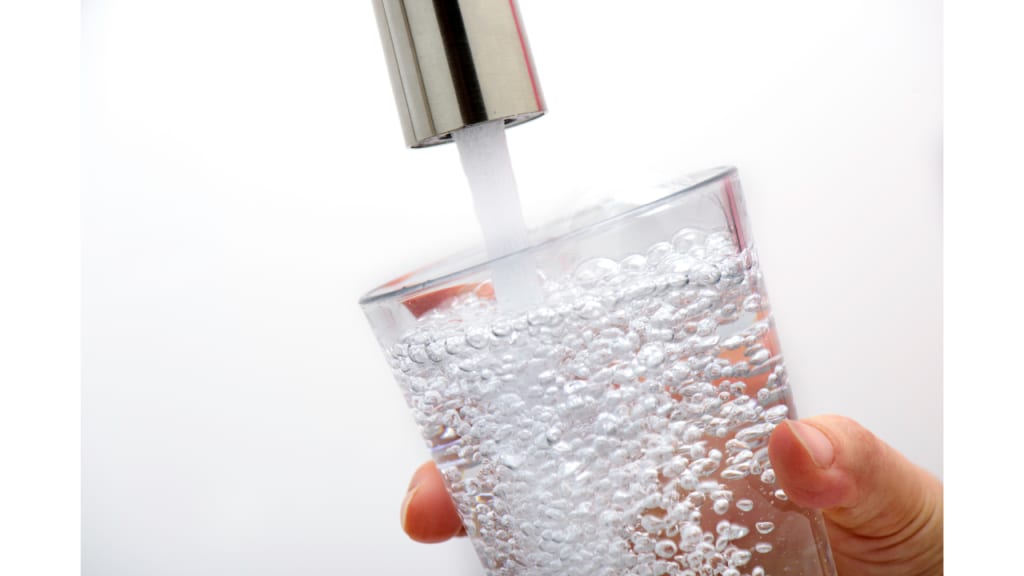
In an age where health consciousness and environmental awareness are at the forefront of consumer decisions, the simple act of choosing drinking water has become surprisingly complex. Strolling down a grocery store aisle, you're faced with a dizzying array of bottled water brands, each promising purity and a crisp taste. Yet, a growing number of people are turning away from single-use plastics and embracing the convenience and sustainability of home filtration. For those considering an upgrade to their home water source, a professional water filtration system service can be the first step toward understanding the options and ensuring the system is tailored to specific household needs. This choice is more than just a matter of convenience; it’s a critical decision with significant implications for your health, your finances, and the planet.
Bottled water, often sourced from springs, wells, or even municipal taps, is regulated by the Food and Drug Administration (FDA) as a food product. While these regulations are in place to ensure safety, they differ from the standards set for tap water by the Environmental Protection Agency (EPA). The EPA requires public water suppliers to test for a wider range of contaminants and publish annual quality reports, providing a level of transparency that is often absent in the bottled water industry. Furthermore, the very plastic bottles that are a key selling point pose a potential health risk. Over time, chemicals like Bisphenol A (BPA) and antimony, which are used in plastic manufacturing, can leach into the water, especially when exposed to heat or sunlight. Scientific studies have also found that bottled water can contain an astonishing number of microplastic particles, which can enter the human body with every sip.
On the other hand, filtered water offers a compelling alternative. Home water filtration systems, ranging from simple pitchers to complex whole-house units, are designed to remove specific contaminants from tap water. Common filtration methods include activated carbon filters, which are highly effective at trapping organic chemicals like chlorine, and reverse osmosis systems, which use a semipermeable membrane to remove a broad spectrum of impurities including heavy metals like lead and arsenic, nitrates, and even some viruses and bacteria. The effectiveness of a system depends on its type and quality, but a well-maintained filter can deliver water that is often cleaner than its bottled counterpart. The main advantage of a home system is that you have direct control and knowledge of what is being removed from your water, empowering you to ensure its safety for drinking, cooking, and bathing.
Beyond the question of safety, the financial and environmental costs paint an even clearer picture. Bottled water is a massively inefficient and expensive way to stay hydrated. A single bottle that costs a dollar or more can translate to a cost per gallon that is thousands of times higher than that of tap water. While a home filtration system requires an initial investment, the long-term savings are undeniable. For a family that consumes a few gallons of drinking water a day, the cost of bottled water can add up to hundreds or even thousands of dollars per year. By contrast, a filter system's operational cost is primarily limited to occasional filter replacements.
The environmental impact is perhaps the most significant reason to reconsider bottled water. The production of plastic bottles consumes vast quantities of fossil fuels and water. The process of making a single bottle can require more water than the bottle itself can hold. The majority of these bottles are not recycled, leading to a massive accumulation of plastic waste in landfills and oceans. This plastic pollution breaks down into microplastics that contaminate our food chains and ecosystems. By switching to a home water filter, you can drastically reduce your plastic footprint and contribute to a healthier planet. Using a reusable stainless steel or glass bottle filled with filtered water is a simple yet powerful way to make a difference.
Ultimately, the choice between bottled and filtered water is a trade-off between perceived convenience and genuine safety, cost, and environmental responsibility. While bottled water may offer a quick solution in a pinch, it often comes with hidden health risks, exorbitant costs, and a devastating environmental legacy. Filtered water, particularly from a high-quality home system, provides a superior alternative on all fronts. It offers greater transparency regarding water quality, removes more contaminants, and saves you money while significantly reducing your environmental impact. It’s an investment in your family’s health and the future of our planet.
If you’re ready to make the switch, start by having your tap water tested to understand its unique composition. This will help you select the most effective filtration system for your needs. Once you've chosen a system, make sure to follow the manufacturer's maintenance guidelines to keep it running optimally. A clean, effective water filter can provide peace of mind and the assurance that every glass you pour is as safe as it can be.
About the Creator
Keep reading
More stories from The Weekend Project and writers in Earth and other communities.
Gas vs. Electric Furnaces
When the time comes for a furnace replacement, the decision you make goes beyond just a comfortable home. It has a significant impact on your energy bills and, more importantly, on the environment. For decades, the primary debate has centered on gas versus electric furnaces. While gas has long been the dominant choice for heating, the push toward electrification and renewable energy has brought electric furnaces and heat pumps into the spotlight as potentially greener alternatives. But which one truly wins the title of the environmentally friendly champion? The answer is more complex than you might think, involving factors from efficiency to the source of your electricity. This article will break down the pros and cons of each system to help you make an informed and sustainable choice.
By The Weekend Project6 months ago in Earth
Death Valley sees its most spectacular superbloom in a decade
One of the most extreme landscapes on the planet—Death Valley National Park—is currently experiencing an extraordinary natural event: its most spectacular wildflower superbloom in a decade. What is usually a stark expanse of sun‑baked desert has transformed into sweeping carpets of vibrant color, drawing visitors, scientists, and photographers to witness a rare and fleeting burst of life. This year’s bloom, described by the U.S. National Park Service as the most dramatic since 2016, is the result of unusually wet weather during the fall and winter months. Typically known as the hottest and driest place in North America, Death Valley averages only about two inches of rain annually. But from late autumn through early January, the region received more than its yearly average in a short span, creating ideal conditions for dormant wildflower seeds to sprout and burst into bloom. A Desert Transformed Normally a landscape of sand and jagged rock, this spring the valley floor has come alive with a riot of pinks, purples, yellows, and whites. Species such as Desert Gold, Phacelia, Sand Verbena, and Mojave Desertstar blanket the ground, creating scenes that defy Death Valley’s harsh reputation. Park officials and wildlife enthusiasts alike have expressed amazement at the scale of the bloom and the speed with which it has taken over the valley. “This area that’s known basically for hot weather, sand and dirt has just become this amazing landscape of colors,” said David Blacker, executive director of the Death Valley Natural History Association. “The smell is just amazing.” At lower elevations, the wildflower display is already widespread and expected to last through mid to late March, weather permitting. As temperatures gradually shift, blooms at higher elevations may continue into April and even through June, though the full extent of later displays will depend on ambient heat and moisture levels. Rain: The Key to the Bloom Superblooms in desert environments are extremely rare and hinge upon a delicate balance of weather conditions. In Death Valley, a confluence of well‑timed rainfall events and moderate winter temperatures created just the right environment for seeds that often lie dormant for years to germinate, grow, and flower. Abby Wines, acting deputy superintendent at the park, noted that the exceptionally wet period provided more moisture than the valley would typically receive in an entire year. This unusual rainfall allowed plants to take root and flourish, even in areas that ordinarily remain barren. Although the term “superbloom” doesn’t have a strict scientific definition, it is widely used by park officials and visitors to describe years when wildflower blooms exceed normal patterns in scale and intensity. These events usually happen only once every decade or so in Death Valley, adding to their scarcity and appeal. A Magnet for Visitors and Scientists The rare spectacle has drawn crowds of visitors who typically think of Death Valley as nothing more than a harsh landscape of sand dunes and heat. In recent days, photographers and nature lovers have flocked to well‑known viewing areas such as Badwater Basin, Jubilee Pass Road, and surrounding alluvial fans where blooms are especially dense. Park officials are encouraging visitors to follow “Leave No Trace” principles: staying on designated paths, avoiding picking flowers, and being mindful of fragile ecosystems. Because these blooms are so dependent on specific conditions, conservation‑minded behavior plays a key role in protecting future displays. For scientists and ecologists, the superbloom offers a unique opportunity to observe how desert ecosystems respond to atypical weather events. Flowering cycles in these environments are closely tied to climatic patterns, and scientists can gather valuable data that may inform understanding of ecological resilience in the face of climate variability A Fleeting Celebration of Life Despite the stunning display, the superbloom is temporary. Once the rains stop and the desert heats up, the flowers will quickly fade and set seed, leaving behind a memory of colors before the valley reverts to its usual starkness. Still, for those who have made the journey this spring, the sight of Death Valley awash in hues of gold, purple, and pink is a reminder of nature’s capacity to surprise—and a testament to the fragile beauty that can spring from even the harshest environments.
By Fiaz Ahmed 3 days ago in Earth



Comments
There are no comments for this story
Be the first to respond and start the conversation.