
Bold New Species of Octopus Found in the Deep
Marine biologists uncover previously unknown octopuses off Costa Rica's coast

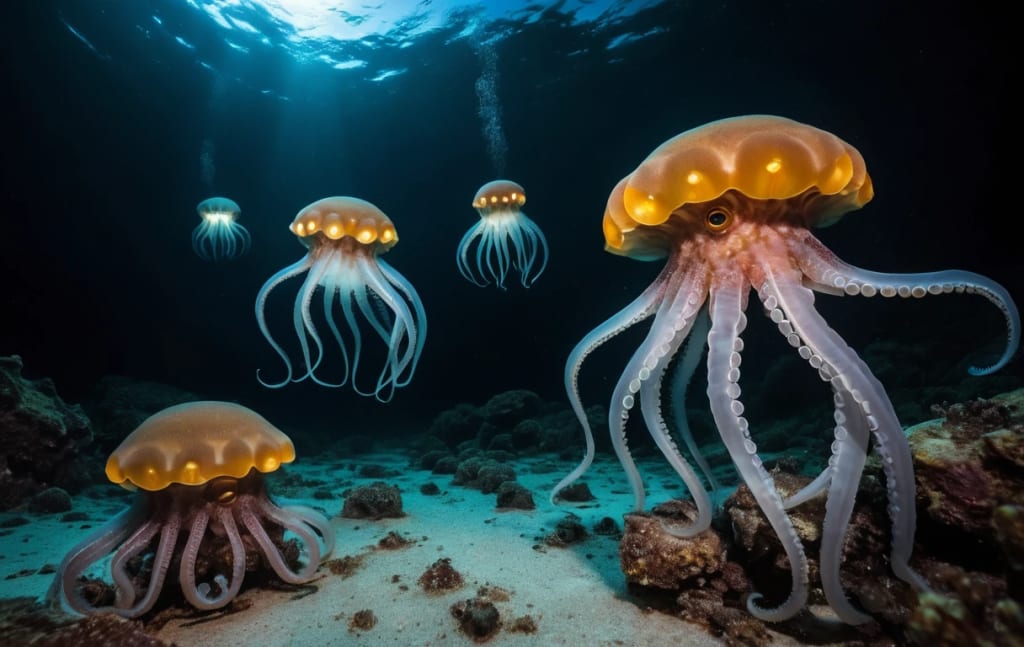
Beneath the waves, where sunlight never reaches and the pressure could crush a submarine, something extraordinary has been hiding. A group of scientists, venturing into the unexplored depths off Costa Rica, stumbled upon something that rewrites what we thought we knew about deep-sea life. Four never-before-seen octopus species were just discovered, living in a mysterious world few have dared to explore.
Aboard the Falkor (too) research vessel, a team of marine biologists set out in 2023 to study a region of the Pacific Ocean teeming with secrets. What they found was nothing short of astonishing. While scanning a stretch of seamounts, they uncovered two thriving octopus nurseries unlike anything ever documented. These weren’t just scattered individuals drifting in the dark—they were clusters of mothers, fiercely guarding their eggs, huddled near hydrothermal springs in a way that challenges everything we thought about how these creatures reproduce.
One of the standout discoveries was the Dorado octopus, named after El Dorado Hill, the deep-sea location where it was first seen. This species, part of the Muusoctopus genus, is changing the way scientists look at octopus survival strategies. Instead of the usual cold, inhospitable depths where octopuses brood their eggs, the Dorado octopus chooses the warmth of hydrothermal springs. That heat may be the key to speeding up the development of its eggs, shortening the vulnerable stage, and increasing the chances of survival.
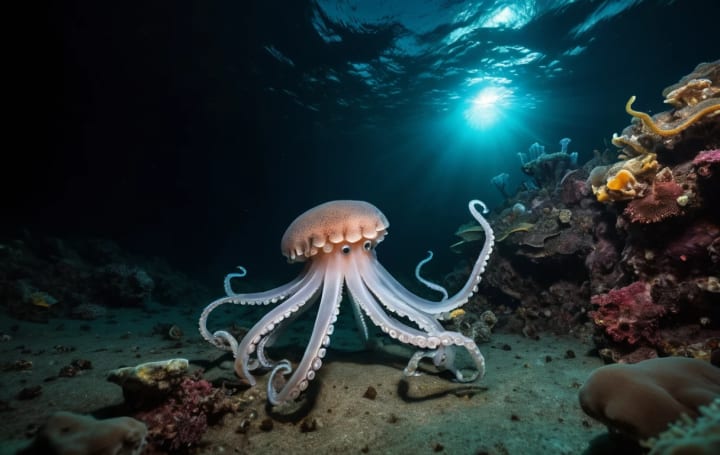
But that was only the beginning. The team identified three more species, each with features that set them apart from anything previously documented. Two belong to the Muusoctopus genus, sporting elongated arms lined with two rows of suction cups and massive, watchful eyes. The last species looks so different from its relatives that it left researchers scratching their heads. Its bumpy, pale skin and single row of suckers suggest it may be an entirely new branch of the octopus family tree.
Making these discoveries wasn’t easy. At nearly 10,000 feet below the ocean’s surface, direct human exploration is impossible. That’s where SuBastian came in—a high-tech remotely operated vehicle (ROV) designed to withstand extreme conditions and deliver crystal-clear footage from the deep. Over two expeditions in June and December, SuBastian captured images, collected specimens, and mapped this hidden ecosystem. By the end of the journey, more than 300 deep-sea samples had been gathered, all of which now reside at the Museum of Zoology at the University of Costa Rica. Keeping these specimens in the country is a crucial step toward empowering local researchers and conserving these species where they belong.
What makes this discovery even more groundbreaking is the way these octopuses interact with their environment. Until now, the idea of octopus nurseries near hydrothermal springs was unheard of. This new evidence suggests that deep-sea thermal vents, typically associated with exotic bacteria and bizarre tube worms, may play a much larger role in sustaining marine life than anyone realized. The warmth and chemical-rich waters could be an essential factor in the reproductive cycles of deep-sea creatures, making these areas even more important for conservation.
There’s a reason so little is known about the deep ocean. It’s vast, nearly inaccessible, and shrouded in darkness. But discoveries like this show that even in the most extreme environments, life finds a way. Each time a new species is uncovered, it raises even more questions. How many more undiscovered creatures are hiding in these depths? What other survival strategies are yet to be revealed? The ocean is far from fully explored, and with each dive, the list of unknown species continues to grow.
This research is a reminder of why deep-sea exploration is so important. The more we learn, the better we can protect these fragile ecosystems. With the growing impact of climate change and human activity, understanding how marine life adapts to its surroundings is more crucial than ever. The findings from this expedition won’t just expand our knowledge of octopuses—they could help shape conservation efforts that keep the deep ocean thriving for generations to come.
There’s something captivating about the idea that right now, in the cold, crushing darkness of the deep sea, there are creatures we’ve never seen before, living in ways we can barely imagine. The discovery of these four new octopus species is just one chapter in an ongoing story, a reminder that the ocean is still full of surprises waiting to be uncovered.
About the Creator
Ojo
🔍 I explore anything that matters—because the best discoveries don’t fit into a box...
The Day the Forest Spoke
A Walk Into the Unknown It began as an ordinary hike, a chance to escape the chaos of the city and immerse myself in the green stillness of the old Redwood Forest at the edge of my town. The sun filtered through the towering trees in long golden beams, the leaves rustling faintly with a whisper of wind, and for a moment, I felt at peace — detached from deadlines, notifications, and the endless noise of human life. I hadn’t planned for anything extraordinary, just a few hours of solitude surrounded by the ancient giants that had stood for centuries, quietly observing the world.
By The Curious Writer4 days ago in Earth



Comments
There are no comments for this story
Be the first to respond and start the conversation.