
Biochar Takes Center Stage at Climate Summits: A Soil Solution for a Warming World
A Soil Solution for a Warming World
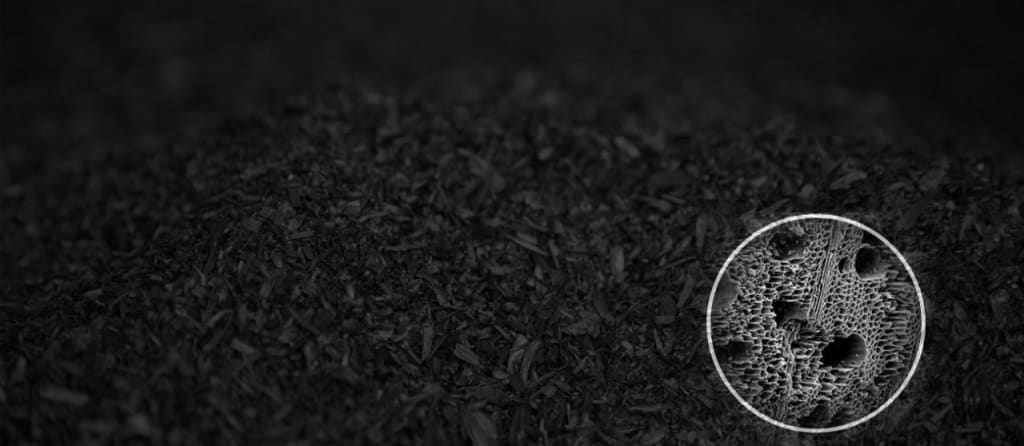
In recent years, climate summits have increasingly focused on tangible, scalable solutions to combat global warming. Amidst high-level negotiations and lofty net-zero pledges, one humble substance has started to draw significant attention: biochar. Once relegated to niche academic discussions, biochar is now earning recognition on the global stage as a powerful tool in the fight against climate change — with the potential to improve soil health, store carbon, and support sustainable agriculture.
What is Biochar?
Biochar is a stable, carbon-rich material produced by heating organic biomass (such as crop residues, wood chips, or manure) in the absence of oxygen — a process known as pyrolysis. Unlike traditional combustion, pyrolysis prevents the biomass from fully oxidizing, resulting in a charcoal-like substance that can be returned to the soil.
But biochar is more than just fancy charcoal. It has a highly porous structure that makes it excellent at retaining water and nutrients. It also resists decomposition, which means it can sequester carbon for hundreds to thousands of years.
From Ancient Practice to Modern Climate Tool
Biochar is not new. Indigenous peoples of the Amazon created terra preta — "dark earth" — centuries ago by incorporating charred biomass into soils, creating fertile ground that remains productive today.
Now, climate scientists and policymakers are turning back to this ancient method with renewed urgency. As part of nature-based solutions, biochar offers a way to lock carbon into the ground while simultaneously addressing food security, soil degradation, and sustainable waste management.
Biochar on the Climate Summit Agenda
At recent climate summits — including COP27 in Egypt and COP28 in Dubai — biochar was the subject of multiple panels, side events, and research presentations. Experts, entrepreneurs, and government representatives highlighted its potential across several key areas:
- Carbon Removal: The IPCC has stated that carbon dioxide removal (CDR) is essential for meeting the 1.5°C target. Biochar ranks among the most promising CDR pathways because it is measurable, verifiable, and scalable.
- Soil Regeneration: By improving soil structure and fertility, biochar produced by biochar production machine can enhance food production, especially in regions suffering from depleted soils or drought.
- Waste Utilization: Biochar production can repurpose agricultural and urban waste, converting a disposal problem into a climate solution.
- Economic Opportunities: For rural economies, especially in the Global South, biochar projects can offer jobs, energy access, and sustainable land use practices.
Challenges and Considerations
Despite its promise, biochar is not without challenges. Large-scale deployment requires:
Standardization and Certification: Not all biochar is equal. Feedstock, temperature, and application methods significantly affect its performance and carbon sequestration value.
Policy Frameworks: Governments need to develop clear incentives, subsidies, and verification mechanisms to support the biochar industry.
Awareness and Education: Many farmers and stakeholders remain unfamiliar with biochar's benefits or skeptical of its value.
Climate summits have started to address these issues, calling for international cooperation and funding to scale up biochar initiatives responsibly.
Looking Ahead: A Key Player in Climate Mitigation
As the world grapples with rising temperatures, soil degradation, and food insecurity, the role of biochar is becoming increasingly central in climate conversations. While not a silver bullet, it stands out as a rare solution that simultaneously addresses carbon removal, sustainable agriculture, waste reduction, and ecosystem resilience.
In the years ahead, biochar is poised to become a foundational component of national climate strategies, particularly in countries with large agricultural sectors or high levels of organic waste. Expect to see its inclusion in voluntary carbon markets, green finance portfolios, and climate-smart agricultural programs. Research institutions are advancing methodologies to accurately quantify its carbon storage capacity, while startups and NGOs are piloting decentralized biochar systems that serve both local farmers and global climate goals.
The global biochar conversation is also shifting from the sidelines to the main plenary floors of climate summits, where decision-makers are increasingly aware that durable carbon storage in soil may be just as crucial as emissions reduction in the atmosphere.
For communities, this means opportunity: opportunity to regenerate degraded lands, boost crop yields, and build circular economies from waste. For governments and investors, it means a chance to back a scientifically sound, nature-aligned technology with long-term impact. And for all of us, it offers hope — that by looking beneath our feet, we may find one of the most powerful tools for repairing our relationship with the planet.
About the Creator
Whales should be protected!
Carbon dioxide is one of the main gases responsible for global warming. When too much carbon dioxide builds up in the atmosphere, it traps heat from the sun and causes the Earth’s temperature to rise. If this problem continues without control, it could lead to serious environmental damage and may even make parts of the Earth difficult for humans and animals to live in. Therefore, it is important to find natural ways to reduce carbon dioxide levels. One surprising but very important solution is protecting whales, as they play a role in storing carbon in their bodies and supporting ocean ecosystems.
By *+*+*~Teja~*+*+*5 days ago in Earth


Comments
There are no comments for this story
Be the first to respond and start the conversation.