
Beyond Earth: How Space Exploration is Reimagining Our Future
From Mars colonies to space telescopes, the race to explore the cosmos is redefining life on Earth and the destiny of humanity.
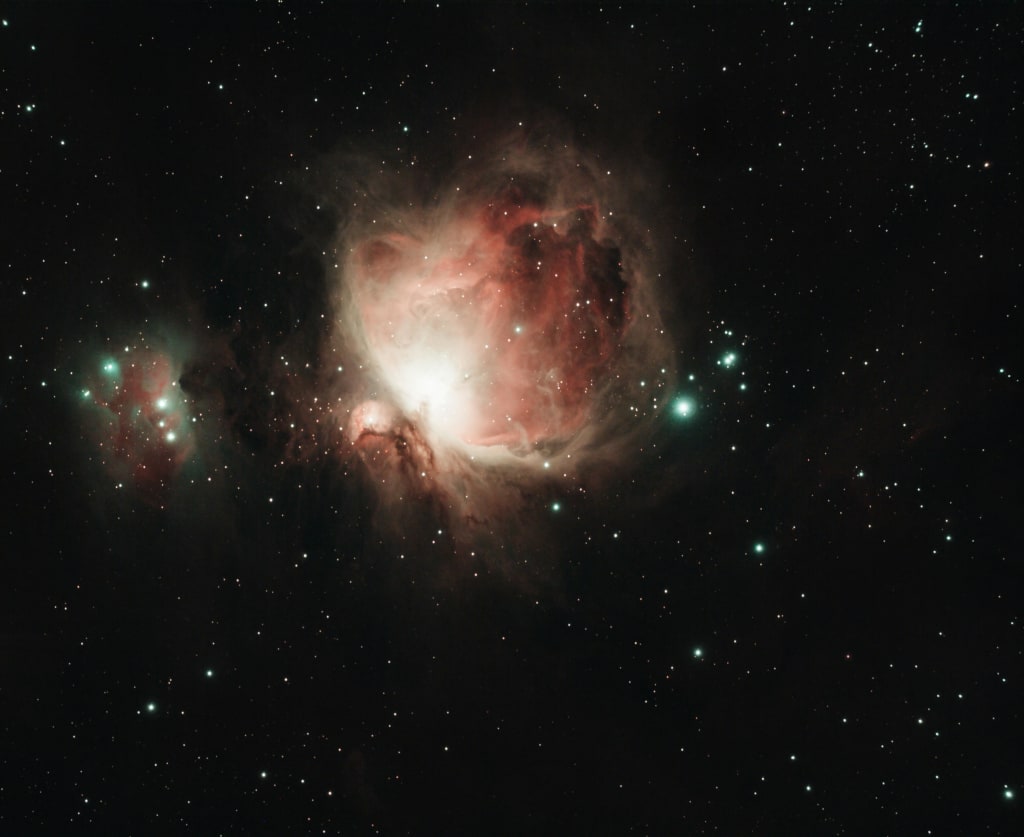
🌌 Title:
Beyond Earth: How Space Exploration is Reimagining Our Future
✨ Subtitle:
From Mars colonies to space telescopes, the race to explore the cosmos is redefining life on Earth and the destiny of humanity.
---
🌍 Introduction: The Final Frontier Is Closer Than Ever
There was a time when looking up at the night sky meant imagining myths, gods, or distant dreams. But today, space is no longer a place of fiction—it's becoming a real part of our daily lives. From weather satellites and GPS to Mars rovers and plans for lunar colonies, space exploration is not just about rockets and astronauts; it's about technology, survival, and the future of humanity.
In this article, we’ll journey through space’s past, present, and breathtaking possibilities for the future—and explore why venturing beyond Earth matters now more than ever.
---
🚀 A Brief History of Our Cosmic Journey
Our journey into space began humbly. The launch of Sputnik 1 by the Soviet Union in 1957 marked the beginning of the space age. Then came Yuri Gagarin, the first man in space in 1961, and Neil Armstrong, who stepped onto the Moon in 1969, uttering the legendary words: "That's one small step for man, one giant leap for mankind."
These early victories were motivated by competition during the Cold War, but they laid the groundwork for a more peaceful, global approach to space in the 21st century.
---
🌑 Returning to the Moon: Artemis and the New Age of Exploration
NASA’s Artemis program is leading the charge in returning humans to the Moon. But this time, it’s not just about visiting—it's about staying.
The Artemis missions aim to build a sustainable lunar base, conduct scientific research, and test the tools we’ll need to reach Mars. This mission will also make history by landing the first woman and first person of color on the Moon.
Why the Moon again? Because it's the perfect testing ground for deep space missions, especially Mars. It also contains valuable resources like water ice, which can be used for fuel and life support.
---
🔴 Mars: Humanity's Next Home?
No place sparks the imagination quite like Mars. With its red deserts, frozen poles, and hints of ancient rivers, it feels like Earth’s mysterious twin. Scientists believe Mars may have supported microbial life in the past—and could again in the future.
Companies like SpaceX have bold ambitions to send humans to Mars within the next decade. Elon Musk envisions building a self-sustaining city on the Red Planet, making humans a multi-planetary species.
This isn’t just about adventure. It’s about survival. As climate change, pandemics, and other global risks rise, Mars could become a backup for human civilization.
---
🛰️ Satellites and Space Tech That Impact Daily Life
You don’t have to leave Earth to feel the impact of space. In fact, you’re using space tech every day:
GPS navigation for your phone or car.
Weather predictions made possible by satellite data.
Internet connectivity from space-based systems like Starlink.
Disaster monitoring—detecting wildfires, floods, and earthquakes early.
Space tech helps solve global problems, improve agriculture, track deforestation, and even manage traffic. In essence, space is silently improving life on Earth.
---
🔭 Telescopes and the Hunt for Alien Life
The launch of the James Webb Space Telescope (JWST) in 2021 revolutionized how we see the universe. Unlike previous telescopes, JWST can peer deep into space and time, revealing galaxies as they were billions of years ago.
Even more exciting? JWST is scanning the atmospheres of exoplanets—worlds orbiting distant stars—for signs of water, oxygen, and even life. The question "Are we alone?" may be answered sooner than we ever expected.
---
🌌 The Rise of Private Space Companies
Space used to be the realm of governments. Now, private companies are changing the game. SpaceX, Blue Origin, Virgin Galactic, and others are making space travel faster, cheaper, and more innovative.
SpaceX’s Starship aims to carry cargo and humans to Mars.
Blue Origin is working on space tourism and Moon landers.
Virgin Galactic is offering brief trips to the edge of space for civilians.
These companies are not only driving competition but also democratizing access to space.
---
🧠 Why Space Matters for Innovation and Inspiration
Space isn’t just about science. It inspires art, imagination, and culture. Many technologies we use today—like MRI machines, cordless drills, and even memory foam—were developed for space missions.
Astronauts often speak about the “Overview Effect”—a shift in perspective when seeing Earth from space. From up there, there are no borders or politics—just one fragile planet that we all share. This feeling fosters global unity, environmental awareness, and a renewed sense of purpose.
---
⚠️ Challenges in the Cosmos
Of course, space isn’t easy. Some key challenges include:
Space junk: Thousands of pieces of debris threaten satellites and missions.
Radiation: Outside Earth’s magnetic field, astronauts face dangerous cosmic rays.
Ethics and ownership: Who owns the Moon? Should we mine asteroids?
As we expand into space, international cooperation and laws will be crucial to ensure peaceful and responsible exploration.
---
🌠 The Future: Where Are We Headed?
Here’s what the next 20–50 years in space might look like:
Permanent Moon base hosting research and mining.
Crewed Mars mission by the 2030s.
Space hotels for tourists in low Earth orbit.
Asteroid mining for precious metals and water.
AI and robotics leading exploration on other worlds.
This isn’t science fiction anymore—it’s a future actively being built right now.
---
🌎 Conclusion: Space Is Our Story
Space isn’t just for astronauts or billionaires. It’s a shared story of where we’ve been and where we’re going. It teaches us to dream big, to cooperate across nations, and to care more deeply for the tiny blue planet we call home.
The stars aren’t out of reach anymore. With each rocket launch and rover mission, we step closer to a future where the universe is not just a mystery—but a destination.
So the next time you look up at the night sky, remember: humanity is no longer just looking at the stars. We’re heading toward them.
About the Creator
Keep reading
More stories from Rahmat Ullah Khan and writers in Earth and other communities.
Echoes in the Void: Why Humanity's Future Lies Beyond Earth
Title: Echoes in the Void: Why Humanity's Future Lies Beyond Earth Subtitle: From lunar missions to Mars colonization, how space exploration is transforming our planet, our technology, and our understanding of existence.
By Rahmat Ullah Khan8 months ago in Earth
The Heat We Inherited
Long before satellites circled the Earth and scientists measured carbon in the sky, humanity lived closely with nature, reading its moods through wind, water, and fire. The changing of seasons guided harvests. The rhythm of rain shaped survival. Today, however, that rhythm is faltering. The planet’s climate—once steady enough to nurture civilizations—is shifting in ways both subtle and catastrophic. Global warming is no longer a distant warning whispered by experts; it is the defining story of our era.
By LUNA EDITH6 days ago in Earth


Comments
There are no comments for this story
Be the first to respond and start the conversation.