
Bees' Secret Lives
A Sweet Story of Hard Work and Cooperation"
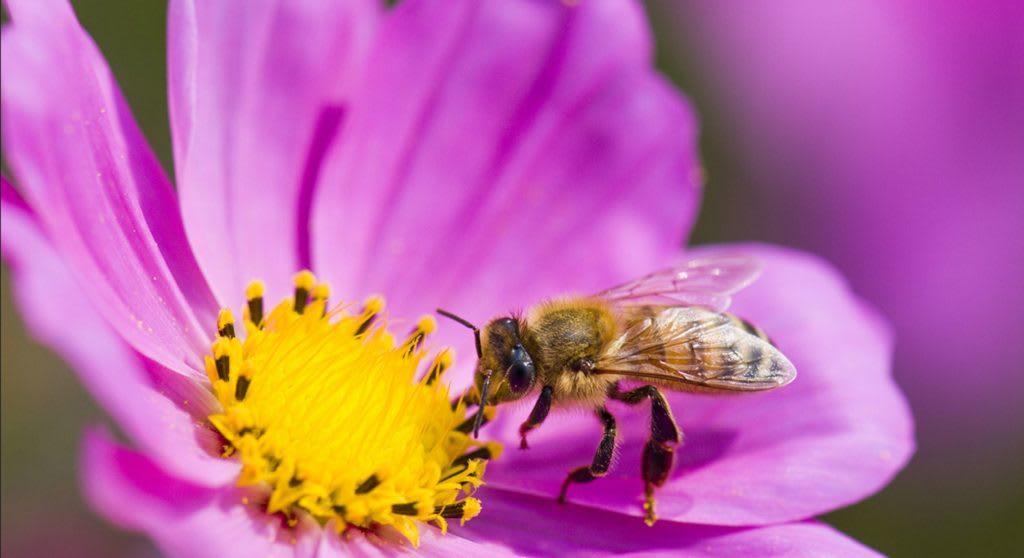
Bees are one of the most important insects on the planet. They are responsible for pollinating a wide variety of plants, which in turn helps to sustain many of the world's ecosystems. Despite their importance, however, we still know very little about the secret lives of bees.
One of the most interesting things about bees is the way that they communicate with one another. Bees use a variety of signals and dances to communicate important information about the location of food sources and the best places to build new hives. For example, when a bee finds a particularly rich source of nectar, it will return to the hive and perform a dance that tells the other bees the direction and distance to the food source. This dance is known as the "waggle dance" and it is a highly sophisticated form of communication.
Another fascinating aspect of bee behavior is their ability to work together as a collective. Bees live in highly organized societies known as colonies, which can contain anywhere from a few hundred to tens of thousands of individual bees. Within these colonies, each bee has a specific role to play, from the queen bee who lays eggs to the worker bees who collect nectar and pollen, tend to the young, and maintain the hive.
Despite their highly organized behavior, however, bees are also capable of making individual decisions based on their own experiences. For example, when a bee encounters a new type of flower, it will taste the nectar to determine whether it is a good source of food. If the nectar is high in sugar content, the bee will remember the location of the flower and return to it in the future. This ability to learn and make individual decisions is one of the reasons why bees are such successful and adaptable insects.
One of the most pressing issues facing bees today is the threat of habitat loss and pesticide use. As more and more natural habitats are destroyed or altered by human activity, bees are losing the food sources and nesting sites that they need to survive. In addition, the widespread use of pesticides in agriculture and landscaping has been linked to declines in bee populations around the world.
To help protect bees and their habitats, there are a number of steps that individuals and communities can take. Planting native wildflowers and avoiding the use of pesticides in gardens and public spaces are two important ways to support bee populations. In addition, supporting local beekeepers and buying honey from sustainable sources can also help to promote healthy bee populations.
In recent years, there has also been growing interest in the use of alternative beekeeping practices such as "top bar" and "Warre" hives. These types of hives allow bees to build their combs in a more natural way, without the use of pre-fabricated frames or foundation. Proponents of these methods argue that they are more humane and environmentally sustainable than traditional beekeeping practices, which often involve the use of antibiotics and other chemicals.
Despite the challenges facing bee populations around the world, there is still hope for the future. By working together to protect bee habitats and promote sustainable beekeeping practices, we can help to ensure that these important insects continue to thrive for generations to come. So the next time you see a bee buzzing around your garden or neighborhood, take a moment to appreciate the secret lives of these fascinating and important creatures.
About the Creator
Unofficial Challenge: Black History Celebration
Forward: February 28th, 10:53 PM, EST... The final hour of Black History Month, 2026. Hello fellow writers. I've had this challenge waiting in my drafts for most of the month. But I held off on publishing it, until now.
By Sam Spinelli5 days ago in Writers


Comments
There are no comments for this story
Be the first to respond and start the conversation.