
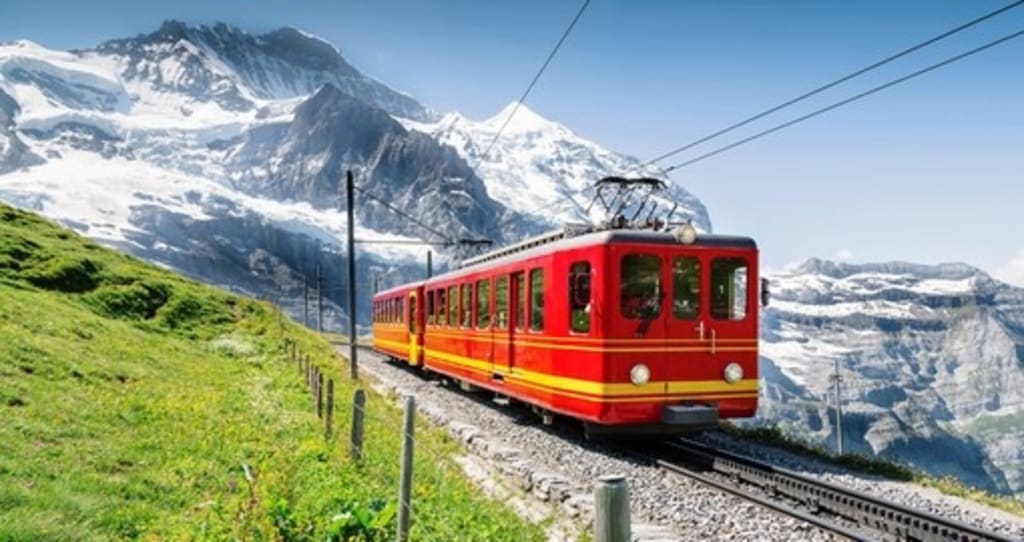
Switzerland, officially known as the Swiss Confederation, is a small landlocked country located in the heart of Europe. Its history dates back thousands of years, with evidence of human settlement in the region as early as the Neolithic period.
During ancient times, Switzerland was inhabited by Celtic tribes, and later came under Roman rule in the 1st century BC. The Romans established several settlements and introduced Christianity to the region. After the fall of the Western Roman Empire, the area was invaded by various Germanic tribes.
In the medieval period, Switzerland began to take shape as a distinct political entity. The foundation of modern Switzerland can be traced back to the formation of the Swiss Confederation in the 13th century. The Confederation initially consisted of three cantons (Schwyz, Uri, and Unterwalden) that formed an alliance for mutual defense against external threats. Over time, other neighboring regions joined the Confederation, which gradually expanded its territory and influence.
Switzerland's position in the heart of Europe made it a strategic crossroad for trade routes, leading to economic prosperity. However, the country also faced challenges, particularly during the Reformation in the 16th century. The religious divide between Protestant and Catholic cantons led to internal conflicts, culminating in the Swiss Wars of Religion.
Despite these internal struggles, Switzerland maintained its neutrality and managed to avoid being dragged into the numerous European conflicts. The Peace of Westphalia in 1648 recognized Swiss independence and neutrality, further solidifying its status as a sovereign nation.
In the following centuries, Switzerland continued to develop its political and economic systems. The French Revolution and the Napoleonic era brought significant changes to the country. In 1798, the French army invaded Switzerland and established the Helvetic Republic, a centralized state. However, this was met with resistance, and in 1803, Napoleon recognized Switzerland's sovereignty and revised its constitution, returning power to the cantons.
During the 19th century, Switzerland underwent industrialization and experienced social and political transformations. The Swiss Federal Constitution was adopted in 1848, establishing a federal state with a strong central government. The country became known for its political stability, direct democracy, and respect for human rights.
Switzerland maintained its neutrality throughout both World Wars, providing a safe haven for refugees and hosting international organizations. It has since become a hub for diplomacy, hosting the headquarters of numerous international organizations, including the Red Cross and many United Nations agencies.
In recent decades, Switzerland has remained a prosperous and peaceful country. It has developed a highly diversified economy, with a strong focus on banking, finance, pharmaceuticals, and high-quality manufacturing. The country has also continued to uphold its neutrality and has not joined the European Union, opting for a policy of bilateral agreements with the EU instead.
During the Protestant Reformation in the 16th century, Switzerland experienced religious conflicts between Catholic and Protestant cantons. The Treaty of Westphalia in 1648 granted Swiss cantons the right to determine their own religious affiliation, leading to a more tolerant and decentralized approach.
In the 19th century, Switzerland underwent significant political and social transformations. The rise of liberalism and the spread of democratic ideas led to the establishment of a federal constitution in 1848. This marked the transition from a loose confederation to a centralized federal state, ensuring greater political stability and cohesion.
Switzerland also experienced industrialization during this period, particularly in sectors such as watchmaking, textiles, and chemicals. The country's reputation for precision and quality craftsmanship became renowned worldwide, contributing to its economic prosperity.
Despite its landlocked position, Switzerland has played a significant role in international affairs. Geneva became a center for diplomacy and international cooperation, hosting numerous important conferences and organizations, including the International Red Cross.
In the 20th century, Switzerland maintained its neutrality during both World Wars, although it was impacted by the global conflicts economically. After World War II, Switzerland focused on economic diversification and became a leading global financial center, hosting numerous international organizations and multinational corporations.
In the post-war era, Switzerland focused on promoting peace, stability, and international cooperation. It became a founding member of the United Nations and other international organizations, solidifying its position as a global diplomatic hub. The Swiss economy thrived, with Switzerland becoming known for its high-quality products, precision engineering, and financial services.
Today, Switzerland remains a federal republic with a strong emphasis on direct democracy. It is renowned for its political stability, high standard of living, and well-developed social welfare system. The country is often admired for its natural beauty, with the Swiss Alps attracting tourists from around the world.
Switzerland continues to play a vital role in global affairs, hosting numerous international organizations and serving as a hub for diplomacy and humanitarian work. Its commitment to neutrality, innovation, and human rights has made Switzerland a respected nation on the international stage.
Switzerland became known for its military prowess and the Swiss mercenaries who fought in wars across Europe. The Swiss Confederation managed to maintain its independence and neutrality in a turbulent period of European history. Despite internal conflicts and external pressures, the Confederation continued to expand, absorbing additional territories and asserting its autonomy.
During the Reformation in the 16th century, Switzerland was deeply divided along religious lines, leading to violent conflicts between Catholic and Protestant cantons. The tensions eased over time, and a system of religious tolerance was established, allowing different religious communities to coexist.
Throughout the 20th century, Switzerland maintained its neutrality during both World Wars, providing a safe haven for refugees and becoming an international center for diplomacy and humanitarian efforts. The country’s banking system and financial services sector also thrived, contributing to its economic success.
Today, Switzerland is known for its political stability, direct democracy, and high standard of living. It has a diverse economy that encompasses finance, manufacturing, pharmaceuticals, technology, and tourism. Switzerland is also home to numerous international organizations, including the Red Cross and the World Health Organization.
Switzerland’s commitment to neutrality, its strong democratic institutions, and its scenic landscapes have made it a model of stability and prosperity. It continues to play an influential role in global affairs while cherishing its unique cultural heritage and multilingual identity.
Today, Switzerland is known for its stunning landscapes, including the Alps, its commitment to political neutrality, and its strong tradition of direct democracy. It stands as a testament to the power of collaboration, with its distinct cantons united under a common vision of peace, prosperity, and freedom.
About the Creator
Keep reading
More stories from writers in Earth and other communities.
Pentagon Contractor Indicted Over Alleged Leak Tied to Raided Washington Post Reporter
A Pentagon contractor has been indicted in connection with an alleged leak tied to a Washington Post reporter, marking a significant escalation in the U.S. government’s scrutiny of leaks involving national security information. The case has raised questions about press freedom, government overreach, and the balance between security and transparency, stirring debates in political, legal, and journalistic circles. Background of the Case According to court documents, the Pentagon contractor is accused of disclosing classified or sensitive information to a Washington Post journalist, whose office was previously raided by federal authorities as part of a leak investigation. The allegations include: Transmitting sensitive information without authorization. Coordinating with journalists who may have used the material in published reports. Potentially compromising national security operations or personnel. Federal prosecutors allege that the contractor knowingly violated U.S. law by disclosing information protected under federal statutes governing classified material. The Washington Post Connection This case is closely linked to a prior federal raid on a Washington Post reporter, an unprecedented action that drew widespread criticism from journalists and press freedom advocates. The raid reportedly aimed to identify the source of leaks regarding sensitive military or defense operations. The indictment of the Pentagon contractor underscores the government’s ongoing efforts to identify and prosecute sources of classified leaks, even when they involve interactions with journalists. Critics argue that such investigations risk chilling investigative reporting and undermining the First Amendment. Legal Details of the Indictment While some details remain sealed due to the sensitive nature of the information, the indictment reportedly charges the contractor with: Unauthorized disclosure of national defense information. Conspiracy to leak classified material. Violation of federal secrecy and security laws. The contractor now faces potential penalties including prison time, fines, and the permanent loss of security clearance. The case will be closely watched by legal experts, media organizations, and policy analysts, as it could set important precedents for how leaks are investigated and prosecuted. Implications for Press Freedom Journalists and press freedom organizations have raised concerns over the broader implications of this case. Key issues include: Chilling effect on investigative journalism: If government employees fear prosecution for speaking to reporters, crucial stories may go unpublished. Source protection: Confidential sources are vital for reporting on matters of public interest, particularly regarding government and military operations. Transparency vs. security: Balancing the public’s right to know with national security interests remains a complex challenge. The Washington Post and other news outlets have emphasized that government actions should respect constitutional protections for press freedom, even when investigating leaks. Government’s Perspective From the government’s standpoint, the case highlights the risks posed by unauthorized disclosures of sensitive information. Officials argue that leaks can: Compromise ongoing military operations. Endanger personnel and intelligence assets. Undermine national security and international relations. Prosecutors assert that the Pentagon contractor acted knowingly and illegally, justifying the indictment as necessary to protect national interests. Previous Leak Cases and Context This indictment comes amid a series of high-profile leak investigations involving U.S. government employees, contractors, and journalists: Previous cases have involved classified defense documents, intelligence reports, and diplomatic cables. Some investigations resulted in prosecutions, while others sparked controversy over press freedom and government overreach. These cases often raise complex legal questions about the definition of classified information and the rights of journalists to report on public interest issues. Legal experts say this Pentagon contractor case may be one of the most significant yet, given its direct tie to a mainstream news outlet. Public and Media Reaction The indictment has elicited strong reactions from multiple sectors: Journalists: Press freedom advocates express concern that prosecuting sources of leaks could intimidate whistleblowers and reporters. Legal analysts: Experts are closely watching how the courts interpret laws governing classified material and the limits of government authority. Policy makers: Some lawmakers have emphasized the need for clearer guidelines on leaks and protections for investigative reporting. Civil liberties organizations have warned that aggressive leak investigations may inhibit government accountability, especially on issues involving national defense and public interest. Potential Outcomes and Next Steps The Pentagon contractor now faces trial proceedings, which may include: Pre-trial motions challenging the scope of evidence and the legality of the indictment. Examination of whether journalists’ communications can be implicated in legal proceedings. Decisions on sentencing if convicted, including potential prison time and fines. Observers predict that the case may also influence future government policies on leak investigations and employee handling of sensitive information. Why This Matters This case illustrates the delicate balance between national security and press freedom. Key takeaways include: Government employees and contractors must exercise caution when handling classified material. Journalists rely on confidential sources to report on matters of public interest. Legal and ethical frameworks must address both the risks of leaks and the protection of free speech. The outcome of this case could set legal precedents affecting not just defense contractors, but journalists, whistleblowers, and government transparency efforts. Final Thoughts The indictment of a Pentagon contractor over an alleged leak linked to a raided Washington Post reporter underscores the complex intersection of national security, law, and press freedom. While the government seeks to protect sensitive information, the case also raises questions about constitutional rights, transparency, and accountability. As proceedings unfold, this case will likely continue to be a touchstone in discussions about how the U.S. balances security concerns with the democratic imperative of a free press, and how future leak investigations are conducted
By Muhammad Hassan6 days ago in Earth



Comments
There are no comments for this story
Be the first to respond and start the conversation.