
BBC on Luzon Island as Super Typhoon Nears Philippines
As the Philippines braces for another massive storm, BBC journalists report live from Luzon—capturing both the fear and resilience of island communities.

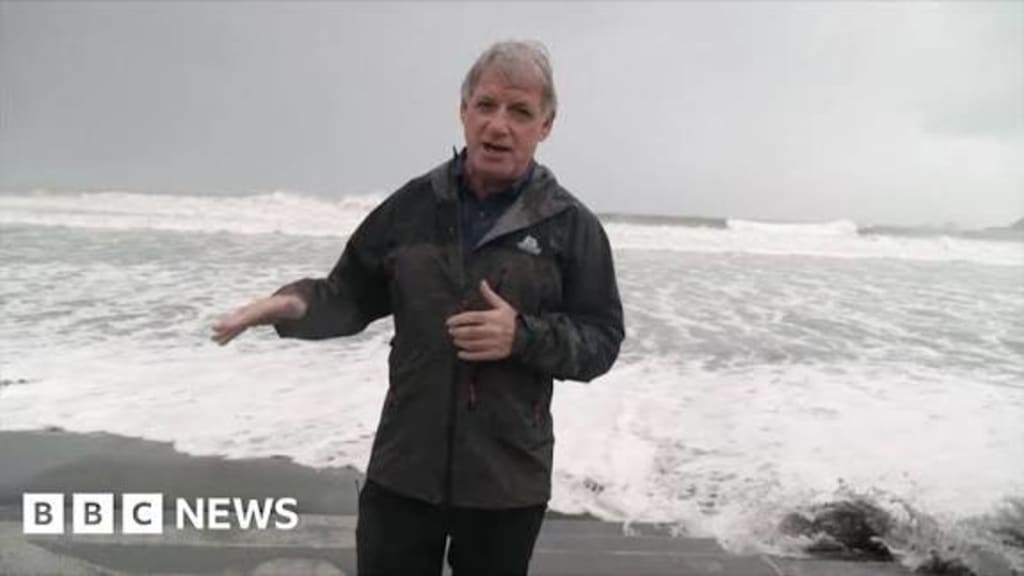
A Nation on High Alert
The Philippines is once again staring down the fury of nature. A super typhoon, among the most powerful storms in recent memory, is now approaching Luzon Island, the country’s most populated region. With sustained winds exceeding 240 kilometers per hour (about 150 mph), the storm is expected to make landfall within 24 hours, threatening millions of residents.
BBC correspondents are currently stationed on Luzon, documenting the tense hours leading up to the typhoon’s arrival. Their coverage, streaming across global media platforms, provides the world with an up-close look at both the meteorological scale of the disaster and the human spirit rising to meet it.
---
BBC’s Ground Report: Fear, Preparation, and Resilience
From the capital Manila to the coastal provinces of Cagayan and Isabela, BBC’s field team has been chronicling scenes of frantic preparation. Reporters describe long queues at petrol stations, supermarket shelves quickly emptying of bottled water, and families securing roofs with sandbags and rope.
In an interview aired on the BBC News Channel, correspondent Howard Johnson, reporting live from Luzon, described the atmosphere as “a mix of anxiety and determination.”
> “People here have faced storms before, but every super typhoon feels different. There’s always fear—but there’s also incredible resilience,” Johnson said.
Local authorities have already evacuated more than 250,000 residents from low-lying coastal villages. Schools are being converted into temporary shelters, and fishermen have been ordered to dock their boats as massive waves pound the shoreline ahead of the storm.
---
The Science Behind the Super Typhoon
Meteorologists from the Philippine Atmospheric, Geophysical and Astronomical Services Administration (PAGASA) report that the storm has intensified rapidly over the Pacific Ocean due to unusually warm sea surface temperatures—a phenomenon scientists link to climate change.
The BBC’s science segment highlights how warmer waters act as fuel for tropical storms, giving them the energy needed to evolve into devastating super typhoons. According to BBC Weather’s senior meteorologist Sarah Keith-Lucas, “We’re seeing a pattern of more frequent and stronger tropical systems forming in the western Pacific—part of a concerning global trend.”
This super typhoon, tentatively named Typhoon Aris by local weather agencies, could bring rainfall of up to 500 millimeters (20 inches) in some areas. That level of precipitation, combined with powerful winds, poses extreme risks of landslides, flash floods, and infrastructure collapse.
---
Remembering Typhoon Haiyan: Lessons from the Past
For many Filipinos, the current situation brings back painful memories of Typhoon Haiyan (Yolanda) in 2013, which killed more than 6,000 people and displaced millions. Since then, the country has improved its disaster preparedness—establishing early-warning systems, building stronger evacuation centers, and coordinating faster emergency responses.
The BBC team’s footage contrasts this new level of readiness with the fear that still lingers in communities hit hardest by Haiyan. In Tacloban, survivors interviewed by the network spoke about storing food, medicine, and candles—items they know will be scarce once the storm hits.
> “We’ve learned to never underestimate the wind,” said one resident. “We can rebuild houses, but we can’t replace lives.”
---
Global Attention and International Support
As BBC’s coverage continues to gain international attention, humanitarian organizations are mobilizing resources. The Red Cross, UNICEF, and World Food Programme have already pledged emergency aid, including water purification systems and medical supplies.
Governments across Asia and Europe are also monitoring the situation closely. British Prime Minister Keir Starmer expressed solidarity with the Philippines, saying in a statement, “The British people stand with those in harm’s way. We commend the BBC’s reporting and the courage of the journalists bringing these stories to light.”
The United States, meanwhile, has positioned several military aircraft and naval ships in nearby waters to provide rapid humanitarian assistance once the storm passes.
---
The Human Face of a Global Crisis
The BBC’s footage from Luzon doesn’t just show flooding streets or howling winds—it captures the human cost of climate change. The Philippines, an archipelago of more than 7,000 islands, remains one of the world’s most vulnerable nations to tropical storms.
Experts warn that unless global carbon emissions are drastically reduced, super typhoons like this could become the new normal. BBC’s environmental correspondents have used this opportunity to highlight the urgency of climate action, noting that developing nations often pay the highest price for problems they didn’t create.
---
Conclusion: Hope Amid the Storm
As the storm’s outer bands begin to lash Luzon, millions of Filipinos brace for what could be days of destruction. Yet amid the tension, BBC reporters emphasize one theme above all: hope.
From volunteers handing out meals in evacuation centers to children smiling shyly at cameras despite the chaos, the human spirit remains unbroken.
In the words of BBC’s Howard Johnson:
> “Nature may be unpredictable, but so is courage. What we’re seeing here on Luzon isn’t just a fight against the storm—it’s a fight for survival, dignity, and the future.”
As the world watches, Luzon stands strong once again—a testament to the resilience of the Filipino people and a sobering reminder of the global challenge of a warming planet.
---
About the Creator
Fiaz Ahmed
I am Fiaz Ahmed. I am a passionate writer. I love covering trending topics and breaking news. With a sharp eye for what’s happening around the world, and crafts timely and engaging stories that keep readers informed and updated.
Keep reading
More stories from Fiaz Ahmed and writers in Earth and other communities.
✈️ More Than 1,400 Flights Cancelled as U.S. Air Traffic Cuts Enter Second Day: Chaos in the Skies
A Travel Nightmare Unfolds More than 1,400 flights were cancelled across the United States on Thursday, marking the second consecutive day of widespread travel chaos that has left passengers stranded, airports overcrowded, and airlines scrambling to recover. The cancellations came as air traffic cuts continued, following a wave of technical and staffing problems that have exposed the fragility of America’s aviation infrastructure.
By Fiaz Ahmed 4 months ago in Earth
A Changing Environmental Landscape Impacts the Insurance Industry
The phrase climate change simply refers to the changes in climate factors such as temperature and precipitation but over the last decade, the phrase has become much more polarizing, politicized and divisive. Non-scientific arguments aside, extreme weather events and natural disasters are increasing in number and severity and the effects of these events are causing more property damage in both commercial and residential spheres. Rising global temperatures can be attributed to the increase in damage causing storms and destructive wildfires. Insurance companies are seeing rising payout costs as an effect of climate change as more claims are submitted to cover losses from these events. As controversial as the phrase climate change is, insurance businesses and carriers are experiencing climate change first hand with increasing claims and losses as a direct result of weather and environmental events.
By doron levyabout 22 hours ago in Earth
Early March 2026: 4 Goals Accomplished
It's early March and I've now accomplished my 4th writing goal for the year of 2026. Before diving into the behind-the-scenes of it... why not tell you up front what that accomplishment was? I was published in a 2nd publication for this year. Published in Helix Literary Magazine out of Central Connecticut State University. You can read it for free right now!
By Stephen Kramer Avitabile4 days ago in Writers



Comments
There are no comments for this story
Be the first to respond and start the conversation.