
Balancing Development and Preservation in Community Planning
Balancing Progress and Preservation: Lessons from Canadian Community Planning Successes

Strategic planning is vital to creating thriving communities. Striking the right balance between economic development and preserving natural and cultural resources ensures that a community grows sustainably while maintaining its unique character.
This balance directly impacts environmental health, economic opportunities, and social cohesion. Effective community planning not only supports immediate growth but also safeguards the community’s future.
Why Balance Matters
Unchecked development often leads to overconsumption of resources, loss of biodiversity, and diminished cultural identity. On the other hand, excessive preservation efforts can hinder progress and economic growth. Communities must find a middle ground that fosters growth while preserving resources and traditions.
Statistics from Canada reveal the urgency of this task. Urban areas in Canada expanded by 34% between 2000 and 2015, consuming valuable green spaces and increasing carbon emissions. Yet, efforts like Ontario’s Greenbelt Plan, which protects over two million acres of farmland and green spaces, demonstrate how planning can mitigate such impacts. These policies have supported biodiversity while encouraging sustainable agriculture.
Strategies for Achieving Balance
Environmental Protection in Development
Incorporating green infrastructure into urban design supports biodiversity and reduces the environmental footprint of development projects. Features like rain gardens, urban forests, and permeable pavements have proven effective in reducing flood risks and promoting ecosystem health.
Preserving Cultural and Historical Heritage
Protecting landmarks through zoning regulations ensures communities retain their identity. Initiatives such as the Old Quebec UNESCO World Heritage Site highlight how cultural preservation can coexist with economic vitality. By adapting historic buildings for modern use, communities can honour their history while embracing growth.
Encouraging Mixed-Use Development
Mixed-use neighbourhoods reduce urban sprawl by combining housing, businesses, and public spaces. This approach promotes walkability, decreases reliance on vehicles, and preserves open areas for recreation. Vancouver has successfully adopted this model, enhancing livability while minimizing environmental impact.
Community Engagement
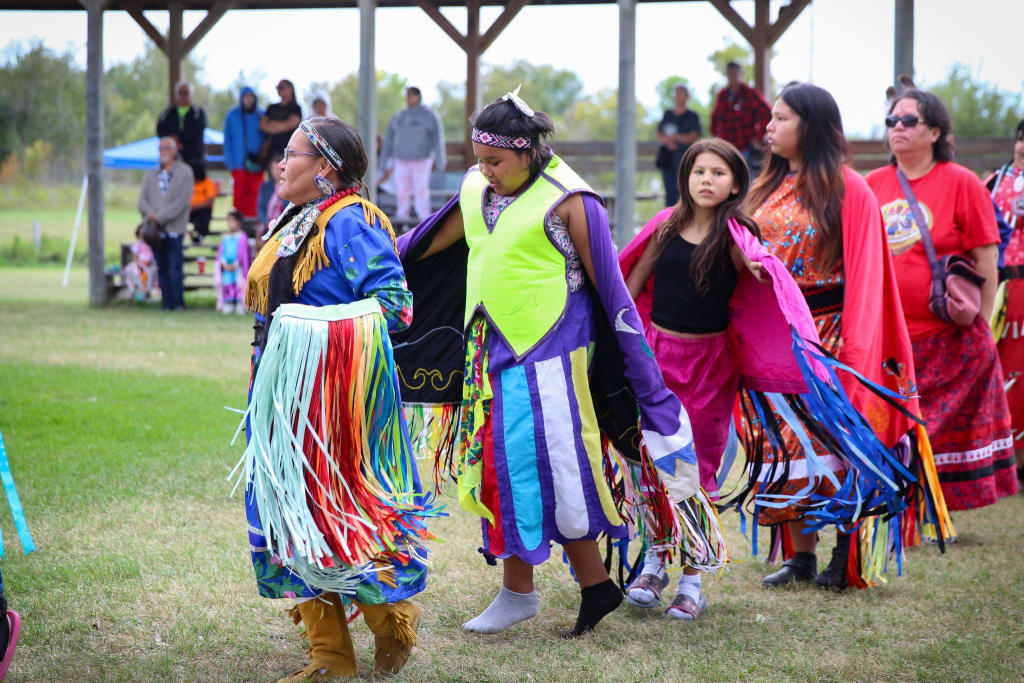
Community involvement is critical. Town hall meetings, surveys, and digital platforms enable residents to contribute ideas and voice concerns. Incorporating local insights ensures that development aligns with community values. Indigenous communities across Canada have led by example, emphasizing the inclusion of traditional knowledge in planning processes.
Using Technology for Planning
Tools like Geographic Information Systems (GIS) enable planners to identify areas that require conservation while pinpointing optimal zones for development. Such technology ensures decisions are data-driven and aligned with environmental and social goals.
Challenges and How to Address Them
Balancing priorities is not without challenges. Developers and conservationists often have conflicting goals. Mediation and transparent communication can bridge these gaps. Public-private partnerships provide financial support for sustainable projects, such as clean energy initiatives or eco-friendly housing.
Urban sprawl and rising housing costs remain persistent issues. Planners can address these by prioritizing affordable housing within development zones while preserving agricultural and green spaces. Policies like Toronto’s intensification strategy focus on urban renewal rather than expanding into rural areas.
Case Studies: Success Stories in Canada
Ontario’s Greenbelt:
This initiative, established in 2005, encompasses approximately 800,000 hectares of protected green spaces, farmlands, and natural areas. It generates a yearly economic impact of $9.6 billion and supports over 177,000 full-time jobs. The Greenbelt also plays a vital role in climate resilience, providing fresh water to millions, protecting biodiversity, and boosting eco-tourism and agriculture. Its efforts include collaborations like cycling networks within the Greenbelt to enhance sustainable tourism while maintaining ecological balance. Read more about the Greenbelt here.
Whistler, British Columbia:
Whistler is celebrated for its approach to balancing growth and conservation. Its "Whistler 2020" plan emphasizes sustainable tourism and urban development while safeguarding natural habitats. The plan encourages eco-friendly practices among local businesses and ensures development aligns with long-term sustainability goals. This has positioned Whistler as a global leader in sustainable tourism. Sources: https://www.thecanadianencyclopedia.ca/en/article/ontario-s-greenbelt
https://canadiangeographic.ca/articles/the-ontario-greenbelt-is-expanding-so-what-does-that-mean/
.
Tools and Resources for Planners
Smart Growth Principles: These guide planners to design communities that are compact, accessible, and environmentally conscious.
Grants and Funding: Federal and provincial programs like Canada’s EcoAction Community Fund provide resources for projects promoting sustainability and preservation.
Balancing growth with preservation requires foresight and collaboration. Communities that succeed in this endeavour ensure long-term economic vitality, environmental resilience, and cultural continuity. By applying strategic approaches and leveraging technological advancements, planners can build communities that honour their past while embracing the future.
Learn more about strategic community planning strategies at CE Strategies.
About the Creator
Mahbub Murshed
Content Creator
Keep reading
More stories from Mahbub Murshed and writers in Earth and other communities.
Eco-Friendly Materials That Brands Are Loving Right Now
Hey, have you noticed? Sustainable Packaging Is Everywhere! Seriously, look all around. Your favorite coffee brand? Probably using recyclable cups. That fancy skincare line? Compostable jars. Even Amazon’s swapping out plastic for paper-based alternatives.
By Mahbub Murshed10 months ago in Earth
Birds with Wild Hairdos
Cockatoos are known for their expressive crests, which they raise or lower depending on their mood. The crests can be white, yellow, or pink. These charismatic birds are native to the Australian continent, the islands of the Indo-Australian archipelago, and parts of New Guinea. There are 21 different species of cockatoo, varying in size from the diminutive Galah to the imposing Sulphur-crested Cockatoo. Most cockatoo species are highly social birds, forming strong pair bonds that often last a lifetime. Cockatoos are primarily herbivores, with a diet consisting of seeds, nuts, fruits, roots, and occasionally insects and larvae.
By Rasma Raistersabout 13 hours ago in Earth



Comments
There are no comments for this story
Be the first to respond and start the conversation.