
AYURVEDA TOURISM IN KERALA
Kerala's Unique Role in Ayurveda Tourism
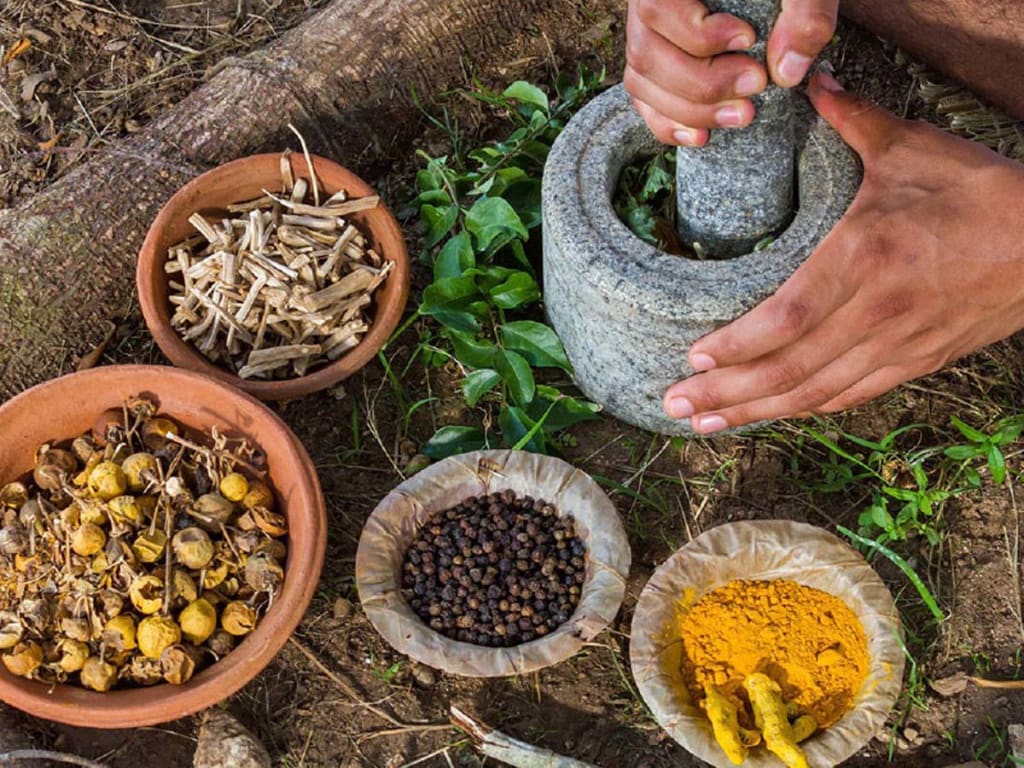
Ayurveda tourism in Kerala is a popular form of alternative medicine tourism that draws visitors from all over the world. Ayurveda, which is a traditional system of medicine in India, has been practiced in Kerala for thousands of years, and the state is now known for its high-quality Ayurvedic treatments and therapies.
Tourists who come to Kerala for Ayurveda tourism can expect to receive personalized treatment plans that are tailored to their specific needs and goals. These plans often include a combination of herbal medicines, massage, yoga, and other therapies that are designed to promote physical, mental, and spiritual well-being.
Kerala has a number of Ayurvedic resorts, spas, and treatment centers that offer a range of packages and services. Visitors can choose from short-term treatments, such as one-day massages, to longer programs that may last for several weeks or months.
In addition to the treatments themselves, Ayurveda tourism in Kerala offers visitors the opportunity to immerse themselves in the local culture and natural beauty of the region. Many Ayurvedic resorts and spas are located in serene and picturesque settings, such as along the backwaters of Kerala or in the midst of lush tropical forests.
Tourists can also experience the rich history and traditions of Ayurveda through visits to local Ayurvedic clinics and pharmacies, as well as through cooking classes and workshops on Ayurvedic principles and practices.
Ayurveda tourism in Kerala offers a unique and holistic way to experience the beauty and culture of this region while also improving one's health and well-being.
Benefit of Ayurveda Tourism
Ayurveda tourism offers a number of benefits for those who are looking to improve their health and well-being, as well as for those who simply want to relax and rejuvenate. Here are some of the key benefits of Ayurveda tourism:
1. Holistic Approach to Health
2. Natural Remedies
3. Personalized Treatment Plans
4. Relaxation and Rejuvenation
5. Cultural Immersion
Holistic Approach to Health
Holistic approach to health is a philosophy that considers the whole person and all aspects of their life when it comes to health and wellness. This approach takes into account the physical, emotional, mental, social, and spiritual aspects of a person's life and seeks to treat the person as a whole rather than just their symptoms or specific health issues.
In holistic health, the focus is on the interconnectedness of different aspects of a person's life, recognizing that one area of life can have an impact on another. For example, a person's emotional state can affect their physical health, and vice versa.
The holistic approach to health is not limited to just one form of medicine or treatment, but rather integrates a variety of approaches and therapies that are suited to the individual's needs. This can include conventional medical treatments, as well as complementary and alternative therapies, such as acupuncture, massage therapy, herbal remedies, mindfulness practices, and others.
The goal of holistic health is to promote overall well-being and prevent illness by addressing the root causes of health issues, rather than just treating the symptoms. It also recognizes that each person is unique and may require a different approach to treatment and healing.
In summary, the holistic approach to health recognizes the interconnectedness of all aspects of a person's life and seeks to address the root causes of health issues by treating the whole person rather than just specific symptoms or conditions.
Natural Remedies
Natural remedies are treatments and therapies that are derived from natural sources such as plants, herbs, minerals, and other natural substances. These remedies have been used for centuries as a way to promote healing and treat various health conditions, and they continue to be popular today as an alternative to conventional medical treatments.
Some examples of natural remedies include:
1. Herbal remedies: Herbs and plants have been used for medicinal purposes for centuries. Herbal remedies can be used to treat a wide variety of health conditions, including digestive issues, respiratory problems, skin conditions, and more.
2. Essential oils: Essential oils are concentrated plant extracts that are used for aromatherapy and topical application. They can be used to treat a range of conditions, including anxiety, depression, pain, and inflammation.
3. Acupuncture: Acupuncture is a traditional Chinese medicine practice that involves the insertion of thin needles into specific points on the body to stimulate healing and balance.
4. Massage therapy: Massage therapy involves the manipulation of the body's soft tissues, such as muscles and connective tissues, to promote relaxation and healing.
5. Mind-body therapies: Mind-body therapies, such as meditation, yoga, and tai chi, are practices that focus on the connection between the mind and body and can be used to promote relaxation, reduce stress, and improve overall health.
Natural remedies are generally considered safe and gentle, but it is important to consult with a healthcare professional before using any natural remedies, especially if you are taking medications or have underlying health conditions. Natural remedies can also be used in conjunction with conventional medical treatments to enhance their effectiveness and promote overall health and wellness.
Personalized Treatment Plans
Personalized treatment plans are individualized plans of care that are designed to meet the specific needs and goals of each person. In the context of healthcare, personalized treatment plans are increasingly becoming popular because they take into account a person's unique medical history, lifestyle, preferences, and other factors that can impact their health and wellness.
Personalized treatment plans are particularly relevant in the field of integrative medicine, which combines conventional medical treatments with complementary and alternative therapies to treat the whole person. Integrative medicine practitioners use a personalized approach to create treatment plans that are tailored to the individual's specific needs and preferences.
The process of creating a personalized treatment plan typically involves a thorough assessment of the individual's health status, medical history, lifestyle factors, and other relevant information. Based on this assessment, the healthcare provider works with the individual to develop a treatment plan that addresses their specific health concerns and goals.
Personalized treatment plans can include a variety of interventions, such as medication, dietary changes, exercise programs, stress reduction techniques, and complementary therapies like acupuncture or massage therapy. The goal is to create a plan that is both effective and feasible for the individual, taking into account their preferences and lifestyle factors.
Personalized treatment plans can be an effective way to promote health and wellness because they are tailored to the individual's unique needs and goals. They can also help to ensure that the person is an active participant in their own care, which can lead to better health outcomes and a greater sense of empowerment and control.
Relaxation and Rejuvenation
Relaxation and rejuvenation are essential aspects of maintaining good health and well-being. They can help to reduce stress, promote relaxation, improve mental clarity, boost mood, and increase energy levels. There are many different ways to achieve relaxation and rejuvenation, and some of the most popular techniques include:
1. Meditation: Meditation is a practice that involves focusing the mind on a particular object, thought, or activity to promote relaxation and reduce stress. It has been shown to be effective in reducing anxiety, improving mood, and enhancing overall well-being.
2. Massage therapy: Massage therapy involves the manipulation of the body's soft tissues to promote relaxation and relieve tension. It can help to reduce muscle soreness, improve circulation, and promote relaxation.
3. Yoga: Yoga is a practice that combines physical postures, breathing exercises, and meditation to promote relaxation, improve flexibility, and reduce stress.
4. Aromatherapy: Aromatherapy involves the use of essential oils to promote relaxation and rejuvenation. Essential oils are extracted from plants and can be used in a variety of ways, such as through inhalation or massage.
5. Spa treatments: Spa treatments, such as facials, body scrubs, and hot stone massages, can be an effective way to promote relaxation and rejuvenation. They can help to improve circulation, reduce stress, and promote overall well-being.
Relaxation and rejuvenation are important aspects of maintaining good health and well-being. By incorporating techniques such as meditation, massage therapy, yoga, aromatherapy, and spa treatments into your routine, you can help to reduce stress, promote relaxation, and enhance your overall sense of well-being.
Cultural Immersion
Cultural immersion refers to the process of fully engaging with and experiencing a new culture. It involves learning about the customs, traditions, and way of life of a particular community or society and actively participating in it. Cultural immersion can be an enriching experience that helps to broaden one's perspective, promote understanding and tolerance, and foster personal growth and development.
There are many different ways to immerse oneself in a new culture, such as:
1. Traveling: Traveling to a new destination can provide opportunities to learn about the local culture, traditions, and history. It can involve visiting cultural landmarks, attending festivals and events, and interacting with locals.
2. Language learning: Learning a new language can help to deepen one's understanding and appreciation of a particular culture. It can involve taking language classes, practicing with native speakers, and immersing oneself in the language by watching movies, listening to music, and reading books in the target language.
3. Homestays: Staying with a local family can provide a unique opportunity to experience the daily life and culture of a particular community. It can involve participating in daily activities, sharing meals, and learning about the family's customs and traditions.
4. Volunteer work: Volunteering in a community can provide opportunities to actively participate in local customs and traditions, while also making a positive impact on the community. It can involve working with local organizations and participating in community events and activities.
5. Cultural classes: Taking classes or workshops that focus on a particular aspect of a culture, such as dance, cooking, or music, can provide opportunities to learn about the culture while also developing new skills.
Cultural immersion can be an enriching experience that helps to broaden one's perspective and deepen one's understanding of other cultures. By actively engaging with and learning from a new culture, we can foster greater understanding, tolerance, and appreciation for the diversity of our world.
Ayurveda tourism can offer a unique and transformative experience that can help to improve both physical and mental health, while also providing an opportunity to connect with the culture and natural beauty of the region.
About the Creator
O-Ring Seals Market Size and Forecast 2025–2033
Introduction In an era defined by advanced engineering, sustainability goals, and performance efficiency, the smallest components often play the biggest roles. Among these unsung heroes of modern manufacturing are O-ring seals—simple, circular devices that quietly prevent leaks, ensure safety, and keep critical systems functioning under extreme conditions.
By Aaina Oberoi5 days ago in Earth
The Refrigerant Transition
Cooling seldom features in climate headlines, yet it is one of the quietest success stories of the last decade. Under the Kigali Amendment to the Montreal Protocol, countries are phasing down hydrofluorocarbons (HFCs)—super-pollutant refrigerants—while retailers and manufacturers rapidly switch to ultra-low-GWP “natural” refrigerants such as carbon dioxide (R744) and propane (R290). Fully implemented, Kigali alone can avert roughly 0.4–0.5°C of warming by 2100; paired with efficiency improvements, the avoided warming can be closer to ~1°C—an enormous contribution from a single policy family [1–2].
By Futoshi Tachino7 days ago in Earth




Comments
There are no comments for this story
Be the first to respond and start the conversation.