
Avaada Group| Leading Solar Panel Solutions for a Sustainable India
Avaada Group has successfully developed and commissioned some of the largest solar power plants in India, utilizing advanced solar panels to generate thousands of megawatts of clean electricity across various states. These projects significantly reduce carbon emissions. The group has set an ambitious target of achieving 30 GW of renewable energy capacity by 2030
Why Solar Panels Matter:
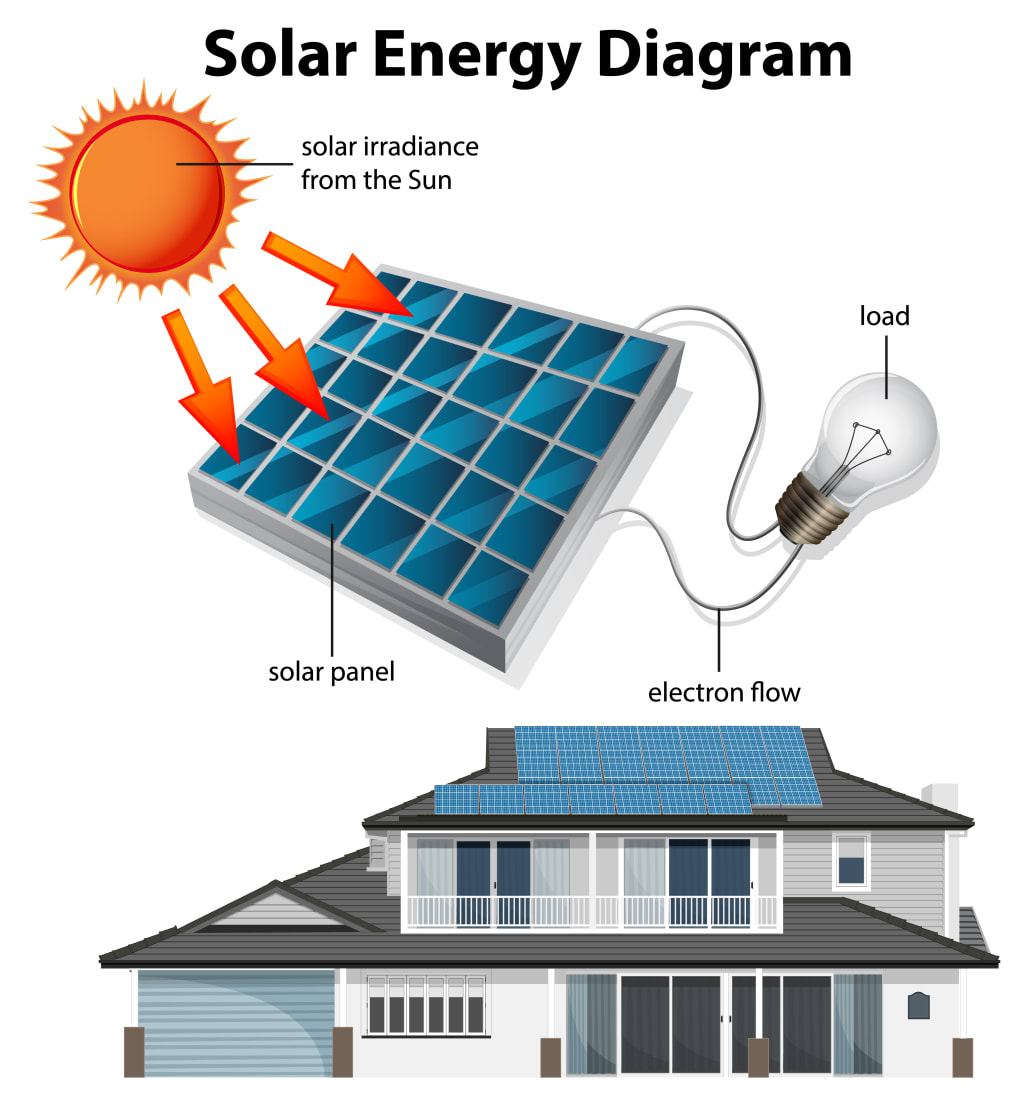
Solar panels are a crucial technology in the fight against climate change. They offer a renewable, abundant, and pollution-free source of energy, unlike traditional fossil fuels that contribute to environmental degradation. Solar panels harness the power of the sun—an inexhaustible resource—and convert it into electricity without producing harmful emissions.
Exploring the Uses of Solar Energy:
Solar energy is incredibly versatile and offers a wide range of applications beyond just generating electricity. Avaada Group’s solar panel solutions are used for various purposes, including powering residential and commercial buildings, providing electricity to remote areas, and even supporting large-scale industrial operations. To learn more about the diverse applications of solar energy and how it can be integrated into everyday life, check out detailed blog on "The Various Uses of Solar Energy".
This blog explores how solar energy can be utilized for heating, cooking, water desalination, and much more. Understanding these uses can help individuals and businesses alike make informed decisions about incorporating solar energy into their energy mix.
Types of Solar Systems:
When it comes to installing solar energy systems, it's important to understand the different types of solar systems available. Each type has its own unique features, benefits, and applications. Here’s a breakdown of the most common types of solar systems:
1. Grid-Tied Solar Systems
Overview: A grid-tied solar system, also known as an on-grid or grid-connected system, is the most common type of solar energy system. This system is connected directly to the local utility grid, allowing the user to draw power from the grid when their solar panels aren’t producing enough electricity (such as during the night or on cloudy days).
Benefits:
- Cost-Effective: Users can reduce their electricity bills by offsetting their grid usage with solar power.
- Net Metering: In many regions, excess energy generated by the solar panels can be fed back into the grid, and users receive credits on their electricity bills.
- No Need for Batteries: Since the grid acts as a backup, there’s no need for costly battery storage.
Applications:
Grid-tied systems are ideal for homes, businesses, and institutions with reliable access to the local power grid and where the goal is to reduce electricity bills without complete energy independence.
2. Off-Grid Solar Systems
Overview:
Off-grid solar systems are completely independent of the utility grid. These systems typically include solar panels, a battery bank for energy storage, a charge controller, and an inverter to convert the stored energy for use in your home or business.
Benefits:
- Energy Independence: Users are not reliant on the utility grid, making this system ideal for remote locations.
- Self-Sufficiency: Off-grid systems provide power even in areas without access to the electrical grid.
- Eco-Friendly: These systems help users achieve a fully sustainable energy solution.
Applications:
Off-grid systems are perfect for remote areas, cabins, or rural homes where connecting to the local grid is difficult or expensive. They’re also suitable for those who prefer complete energy independence.
3. Hybrid Solar Systems
Overview:
Hybrid solar systems combine the benefits of both grid-tied and off-grid systems. These systems are connected to the grid but also include battery storage. This allows users to store excess solar energy for later use, such as during power outages or at night.
Benefits:
- Backup Power: The inclusion of batteries provides a reliable backup during power outages.
- Energy Management: Users can choose when to draw from the grid, use stored energy, or feed excess energy back into the grid.
- Flexibility: Hybrid systems offer greater flexibility and control over energy usage.
Applications:
Hybrid systems are ideal for areas with unreliable grid power, homes, and businesses that want the security of backup power, and those looking to maximize their solar energy usage while remaining connected to the grid.
Understanding the different types of solar systems is key to making the right choice for your energy needs. Whether you’re looking to reduce your electricity bills, gain energy independence, or simply harness the power of the sun in your daily life, there’s a solar system that’s right for you.
About the Creator
Keep reading
More stories from writers in Earth and other communities.
Water as Fuel: The Invisible Engine Inside Us
In most health and wellness discussions, the spotlight invariably falls on food. We meticulously track grams of protein, percentages of carbohydrates, types of fats, and the intake of vitamins and minerals. Yet, in our quest to optimize our diet, we often overlook the most fundamental "tool" without which not a single molecule in our body could be utilized. There is a hidden medium, a universal catalyst, and an invisible laborer that transforms the raw materials of food into pure energy: water.
By Pavel Pavlov4 days ago in Earth
A Monk, The Om, A Metronome
David Harlann had spent 14 years as a field medic. The horrors of mangled bodies and shot-off limbs were commonplace to him. Just another Tuesday strewn with blood. Those who started with him had moved on. They wanted to use the experience as an impressive line on their CV, or to run a triage unit. David, though, didn’t know what he wanted. He just… stayed.
By Gabriel Shamesabout 22 hours ago in Fiction




Comments
There are no comments for this story
Be the first to respond and start the conversation.