
Australia Wildfires Burn Nearly 900,000 Acres
A Nation on Edge as Flames, Heat, and Climate Pressures Collide

Australia is no stranger to wildfires, but the latest blaze tearing through the country’s southeast has once again pushed communities, ecosystems, and emergency services to the brink. Nearly 900,000 acres of land have burned as intense heatwaves and dry conditions fueled fast-moving fires across parts of Victoria and New South Wales. For many Australians, this disaster feels like a painful reminder that wildfire seasons are becoming longer, more intense, and far less predictable.
This isn’t just a story about fire. It’s a story about people, climate, resilience, and a future that demands urgent attention.
When Heat Turns Dangerous
The fires erupted during an extreme heatwave, with temperatures climbing above 40°C (104°F) in several regions. Dry vegetation, strong winds, and low humidity created ideal conditions for fires to ignite and spread rapidly. Once flames took hold, they moved with terrifying speed, jumping fire lines and overwhelming containment efforts.
Fire authorities described the conditions as “extreme and volatile,” warning that even small sparks could trigger massive flare-ups. In many areas, firefighters were forced to retreat when wind shifts turned controlled burns into raging infernos.
The Scale of Destruction
The numbers alone are sobering.
Nearly 900,000 acres burned, cutting through bushland, farmland, and rural communities
More than 100 structures destroyed, including homes, sheds, and agricultural buildings
Tens of thousands without power, as utilities shut down lines to prevent further ignitions
Entire towns placed on evacuation alerts, with residents fleeing under smoke-darkened skies
For those directly affected, the loss goes far beyond statistics. Homes built over generations, livelihoods tied to the land, and cherished natural spaces have been reduced to ash in a matter of hours.
Firefighters Pushed to the Limit
Thousands of firefighters — career professionals and volunteers alike — have been battling the blazes around the clock. Working in blistering heat and thick smoke, crews have faced exhaustion, limited visibility, and unpredictable fire behavior.
Some fires are expected to burn for weeks, especially in remote and rugged terrain where access is limited. Aerial firefighting support has helped slow certain fronts, but officials warn that containment depends heavily on weather relief — cooler temperatures, rainfall, or calmer winds.
Despite the danger, stories of bravery continue to emerge. Fire crews protecting homes, neighbors helping neighbors evacuate, and volunteers providing food and shelter all reflect the deep sense of solidarity seen time and again during Australia’s fire crises.
Health and Environmental Impacts
Wildfires don’t stop hurting people once the flames die down.
Air Quality Concerns
Smoke from the fires has blanketed towns and cities, triggering health warnings. Poor air quality poses serious risks, particularly for children, the elderly, and those with asthma or heart conditions. Hospitals have reported increases in respiratory complaints as fine particles linger in the air.
Wildlife and Habitat Loss
Australia’s unique wildlife is especially vulnerable. Vast areas of bushland — home to birds, reptiles, and mammals — have been destroyed. While exact numbers are still unknown, past fire seasons have shown that large-scale bushfires can wipe out entire local animal populations and take years, or even decades, to recover.
Climate Feedback Loop
Wildfires also release enormous amounts of carbon dioxide into the atmosphere, contributing to global warming. This creates a dangerous cycle: hotter temperatures lead to more fires, and more fires lead to even higher emissions.
A Familiar Pattern in a Changing Climate
Many Australians can’t help but compare this disaster to the devastating Black Summer fires of 2019–2020. While the current fires are smaller in scale, they share the same underlying drivers — extreme heat, prolonged drought, and climate instability.
Scientists have repeatedly warned that climate change is intensifying fire seasons. Rising temperatures dry out landscapes faster, extend fire seasons, and increase the likelihood of extreme fire behavior. What was once considered “unusual” is quickly becoming the new normal.
Communities Adapt and Rebuild
In the face of devastation, resilience shines through. Community centers have become evacuation hubs. Volunteers have organized donation drives. Local businesses are stepping up to support displaced families.
Yet many residents are also asking hard questions:
Are current fire management strategies enough?
Are governments doing enough to address climate risks?
How can communities better prepare for what’s coming?
These questions don’t have easy answers, but they are becoming impossible to ignore.
Looking Ahead
The fires burning nearly 900,000 acres across Australia are more than a natural disaster — they are a warning. A warning that extreme weather is intensifying, that communities must adapt, and that long-term solutions are urgently needed.
As the flames are slowly brought under control, recovery will take time. Healing the land, rebuilding homes, and supporting those affected will require sustained effort. But beyond recovery lies a bigger challenge: ensuring Australia is better prepared for the wildfire seasons of the future.
About the Creator
Keep reading
More stories from Aqib Hussain and writers in Earth and other communities.
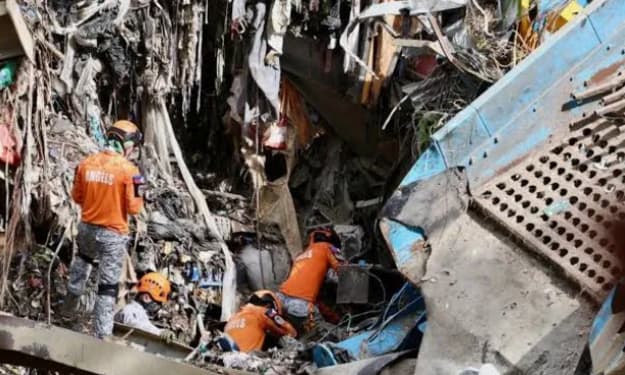
Filipino Rescuers Detect “Signs of Life” in Garbage Avalanche That Killed 4 and Left Dozens Missing
In the early hours following a devastating garbage avalanche in the Philippines, rescuers reported detecting “signs of life” beneath tons of waste, igniting a fragile sense of hope amid widespread grief and uncertainty. The deadly incident, which claimed at least four lives and left dozens missing, has drawn national attention to the dangers faced by communities living near massive waste disposal sites.
By Aqib Hussain2 months ago in Earth
Climate Change: The Defining Challenge of Our Time
Climate change is one of the most pressing issues facing humanity in the 21st century. It refers to long-term changes in Earth’s temperature, weather patterns, and climate systems. While the planet’s climate has naturally changed throughout history, the changes observed today are occurring much faster and are largely caused by human activities. Scientists around the world warn that if these changes continue unchecked, they could have severe consequences for ecosystems, economies, and societies.
By Irshad Abbasi 5 days ago in Earth


Comments
There are no comments for this story
Be the first to respond and start the conversation.