

What Is Asthma
Asthma is a long-term condition that affects both children and adults. Because of inflammation and tightening of the muscles surrounding the small airways, the airways in the lungs become narrow. Asthma symptoms include coughing, wheezing, shortness of breath, and chest tightness.
Asthma currently affects over 25 million people in the United States. This total represents over 5 million children. If you don't get treatment for your asthma, it can be fatal.
Is Asthma Curable?
Asthma is not curable. Some asthmatic children will outgrow it by the time they reach adulthood. However, for many people, asthma is a lifelong condition. Despite having asthma, it is possible to live a healthy life. Modern treatments are extremely effective. Changes in your lifestyle can also reduce your risk of asthma attacks.
What Is the Cause of Asthma?
Scientists are still investigating what causes asthma, but we do know that the following factors are important in the development of asthma:
- Ancestral history
If you have an asthmatic parent, you are three to six times more likely to develop asthma than someone who does not have an asthmatic parent.
Allergies Some people are more likely than others to develop allergies, particularly if one of their parents has allergies. People who have asthma are more likely to have allergic conditions such as atopic dermatitis (eczema) or allergic rhinitis (hay fever).
- Respiratory viral infections
Wheezing can be caused by respiratory problems in infancy and childhood. Some children who have viral respiratory infections develop chronic asthma.
- Occupational hazards
If you have asthma, certain elements in the workplace can aggravate your symptoms. In addition, exposure to certain dusts (industrial or wood dusts), chemical fumes and vapors, and molds can cause asthma to develop for the first time in some people.
- Smoking
Cigarette smoke irritates the respiratory tract. Asthmatics are more common in smokers. Those who were exposed to secondhand smoke or whose mothers smoked during pregnancy are also more likely to have asthma. Learn more about the health effects of smoking on asthma patients.
- Pollution in the Air
The main component of smog (ozone) increases the risk of asthma. Asthmatics are more common in people who grew up or live in cities.
- Obesity
Overweight or obese children and adults are more likely to develop asthma. Although the causes are unknown, some experts believe that excess weight causes low-grade inflammation in the body. Obese patients frequently use more medications, have worse symptoms, and are less able to control their asthma than healthy-weight patients.
While these factors increase a person's risk of developing the disease, there are other factors that contribute to more asthma symptoms, emergency room visits, and hospitalizations, such as poverty and a lack of health insurance. Learn more about how to improve asthma by understanding the risks associated with environmental exposure to things that are known to aggravate asthma and management steps.
Treatment
5 Tips for Managing Your Child’s Asthma
- Keep detailed records
- Check your home environment for asthma triggers
- Know what tests to request
- Be ready to ask: Why aren’t my child’s symptoms responding?
- Be patient with long-term treatments
There's currently no cure for asthma, but treatment can help control the symptoms so you're able to live a normal, active life.
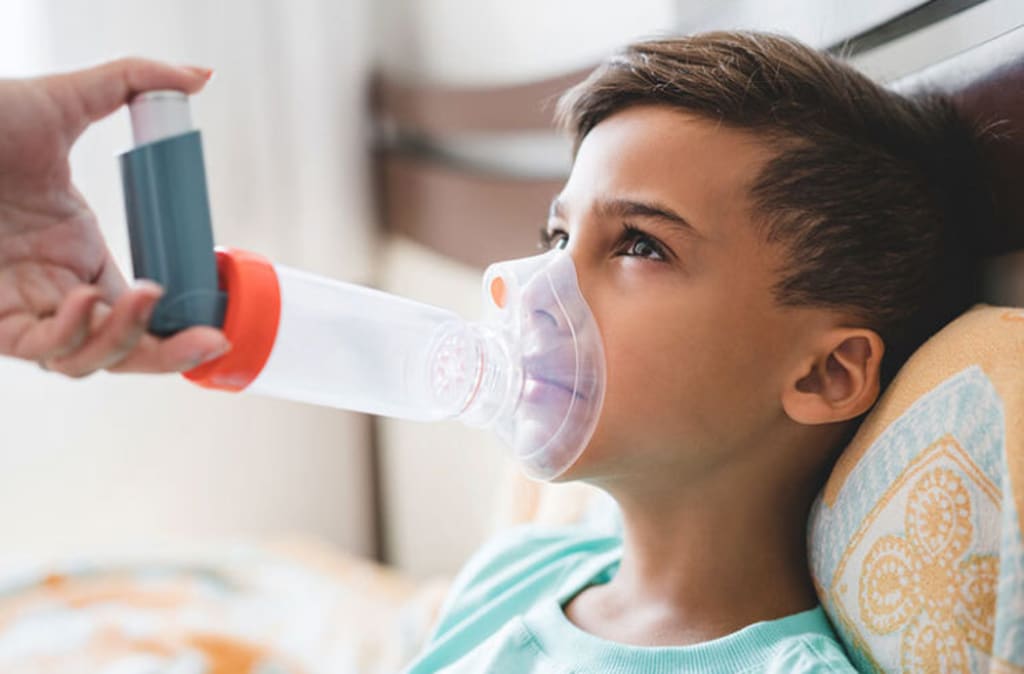
Inhalers, which are devices that let you breathe in medicine, are the main treatment. Tablets and other treatments may also be needed if your asthma is severe.
You'll usually create a personal action plan with a doctor or asthma nurse.
5 Herbs for Severe Asthma:
- Turmeric
- Ginseng and garlic
- Chinese herb combinations
- Black seed
- Honey
Pregnancy and asthma
Your asthma symptoms may change during pregnancy. Keep your asthma under control and contact your doctor if anything changes. You are also at higher risk of asthma attacks. Your doctor will continue to treat you with daily medicines such as inhaled steroid hormones.
Controlling your asthma is important for preventing pregnancy complications such as preeclampsia, preterm delivery, and low birth weight of the baby.
About the Creator
Muhammed Aabid
Here you can learn about Cure
Keep reading
More stories from writers in Earth and other communities.
What might an extraterrestrial invasion of Earth look like?
The author used artificial intelligence in the crafting of this article. Although Hollywood depicts visits by aliens as horrifying experiences where humans die or even are eaten alive, scientists and philosophers say that’s probably not what an invasion would like.
By David Heitz3 days ago in Earth
AQI Cigarette Calculator: Understanding Air Pollution
The air we breathe is a complex mixture of gases and particles, many of which are invisible to the naked eye. While we can feel the heat of a sunny day or the chill of the wind, the silent, creeping impact of air pollution is far less tangible. This lack of tangibility makes it a difficult public health threat to communicate and motivate action against. A powerful innovation in environmental health communication has emerged to bridge this gap: the concept of the AQI cigarette calculator.
By Walter Schiller-Anders3 days ago in Earth
TUS NUA - ch 49
TUS NUA – ch 49 New Beginnings – Mia and Midnight (*)(*)(*) As Mia spoke on the phone to Ali’s sister, Ellen, Finola slipped quietly away and walked to the stream behind Tus Nua. Carefully, she put a block on her family so no one could know what she was about to do.
By Margaret Brennan7 days ago in Fiction




Comments
There are no comments for this story
Be the first to respond and start the conversation.