
Assisted Dying Bill ‘No Hope’ of Passing Unless Lords Change Approach, Warns Peer
Senior lawmakers warn procedural resistance could doom end-of-life reform despite growing public support
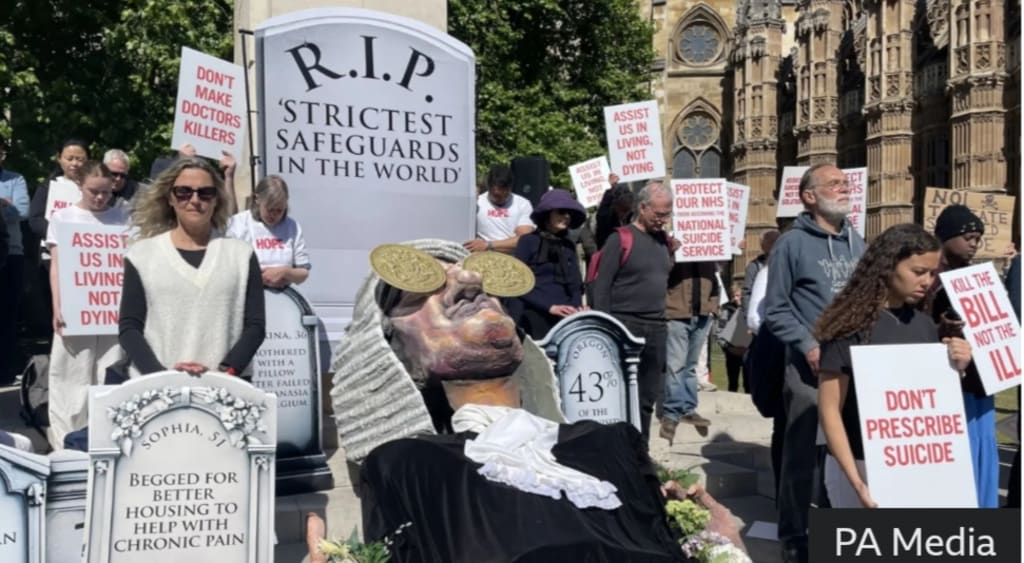
The future of the assisted dying bill in the UK is hanging by a thread, with a senior peer warning that it has “no hope” of passing unless the House of Lords dramatically changes its current approach. The stark warning has reignited a deeply emotional national debate—one that sits at the crossroads of ethics, personal freedom, medical responsibility, and the role of Parliament in end-of-life decisions.
For years, assisted dying has remained one of the most contentious issues in British politics. Despite growing public support and repeated attempts at legislative reform, every proposal has so far failed to make it into law. Now, as the bill faces renewed resistance in the Lords, critics fear history is repeating itself.
A Bill Facing Familiar Resistance
The assisted dying bill aims to allow terminally ill adults, under strict safeguards, to seek medical assistance to end their lives. Supporters argue it offers dignity, autonomy, and compassion to those facing unbearable suffering with no prospect of recovery. Opponents, however, warn of ethical risks, potential coercion, and a slippery slope that could endanger vulnerable people.
According to the peer who issued the warning, the problem is not a lack of public backing but entrenched resistance within the House of Lords. They argue that repeated procedural delays, hostile amendments, and reluctance to engage with modern evidence have effectively stalled progress.
Without a shift in tone and openness from peers, the bill, they say, is doomed before it ever reaches a final vote.
Public Opinion vs Parliamentary Caution
Polling over the past decade has consistently shown that a majority of the UK public supports some form of assisted dying for terminally ill patients. Many see it as a matter of personal choice—one that should rest with the individual, not the state.
Yet Parliament has remained cautious, particularly in the Lords, where many members are appointed rather than elected. Critics argue this creates a democratic disconnect, with unelected peers blocking legislation that reflects contemporary public values.
Supporters of the Lords counter that their role is precisely to slow legislation down, scrutinize its consequences, and protect society from unintended harm. In their view, assisted dying is not just another policy decision—it is a moral line that cannot be crossed lightly.
The Peer’s Warning: A System at Risk of Stagnation
The peer’s statement that the assisted dying bill has “no hope” of passing unless the Lords change approach has sent ripples through Westminster. It suggests frustration not just with opposition, but with what supporters see as a refusal to engage constructively.
Rather than debating how assisted dying could be regulated safely, critics claim discussions are often shut down entirely. This, they argue, prevents meaningful compromise and innovation—such as tighter safeguards, stronger oversight, or limited eligibility criteria.
The warning raises a broader question: is the House of Lords reflecting society as it is today, or holding it back based on long-standing moral traditions?
Medical Voices Add Complexity
The medical community itself is divided. Some doctors support assisted dying, citing firsthand experience with patients enduring prolonged pain and loss of dignity. Others remain firmly opposed, arguing that the role of medicine is to heal and comfort, not hasten death.
Medical royal colleges have taken cautious or neutral positions, reflecting this internal split. Their hesitation carries significant weight in parliamentary debates, often reinforcing Lords’ concerns about professional ethics and patient trust.
Yet campaigners point to countries such as Canada, Australia, and parts of Europe, where assisted dying has been legalized with strict controls. They argue that evidence from these systems shows safeguards can work when laws are carefully designed.
Families Caught in the Middle
Beyond politics and policy, real families are living with the consequences of the current law. Stories of terminally ill people traveling abroad to end their lives—often at great emotional and financial cost—have become a recurring feature of the debate.
For loved ones left behind, the experience can be traumatic and legally complex. Some face police investigations simply for accompanying a dying relative. Supporters of the assisted dying bill argue that this reality exposes the cruelty of inaction.
Opponents respond that improving palliative care, rather than changing the law, is the ethical solution. They warn that legalizing assisted dying could divert resources away from end-of-life care and subtly pressure patients to choose death over treatment.
A Crossroads Moment for the Lords
The peer’s warning has framed the moment as a crossroads. Either the House of Lords adapts its approach—engaging with evidence, public sentiment, and international experience—or the assisted dying bill will once again collapse under the weight of resistance.
This does not necessarily mean peers must support the bill. But campaigners argue it does mean allowing it a fair, thorough, and modern examination rather than procedural suffocation.
If the Lords continue on their current path, critics fear the institution risks appearing out of step with the society it serves.
What Happens Next?
The immediate future of the assisted dying bill remains uncertain. Amendments, committee debates, and further scrutiny lie ahead, but momentum is fragile. Without a change in approach, supporters worry the bill will fade quietly—adding another chapter to a long history of failed reform.
What is clear is that the issue will not disappear. As populations age and medical technology prolongs life, questions about autonomy, suffering, and dignity will only grow louder.
Whether the House of Lords chooses to lead, resist, or rethink may determine not just the fate of this bill, but how future generations judge Parliament’s response to one of life’s most profound questions.
About the Creator
Keep reading
More stories from Aarif Lashari and writers in Earth and other communities.
Rubio to Warn That US Is ‘Prepared to Use Force’ if Venezuela Does Not Meet Demands
The keyword “Rubio to warn that US is ‘prepared to use force’ if Venezuela does not meet demands” has once again brought international attention to the long-running crisis between the United States and Venezuela. Statements attributed to U.S. Senator Marco Rubio signal a hardline stance that reflects growing frustration in Washington over Venezuela’s political leadership, democratic backsliding, and regional security concerns.
By Aarif Lashariabout 14 hours ago in Earth
Camp Fire (2018) – The Largest and Deadliest Wildfire in United States History
1. Introduction The Camp Fire, which broke out in November 2018 in Northern California, is widely regarded as the deadliest and one of the most destructive wildfires in the history of the United States. The scale of devastation, the number of fatalities, and the extraordinary speed at which the fire spread made it a turning point in how wildfires are perceived and managed across the country. This was not a disaster that unfolded over days—it was a catastrophe that erased an entire town within hours.
By firefighter2 days ago in Earth
Whiskey At Dusk
Guess the whiskey was more important to you in the end, wasn’t it? It was more than the well-being of your friends; more vital than showing up to the places you promised you would and could come to; more critical of a matter than fulfilling your damn responsibilities and getting the press off your back.
By Snarky Lisa4 days ago in Humans




Comments
There are no comments for this story
Be the first to respond and start the conversation.