
Earth Is Being Covered in a ‘Forever Chemical’ That Won’t Break Down, Scientists Warn.
How PFAS Pollution Is Spreading Across the Planet and What It Means for Human Health and the Environment.

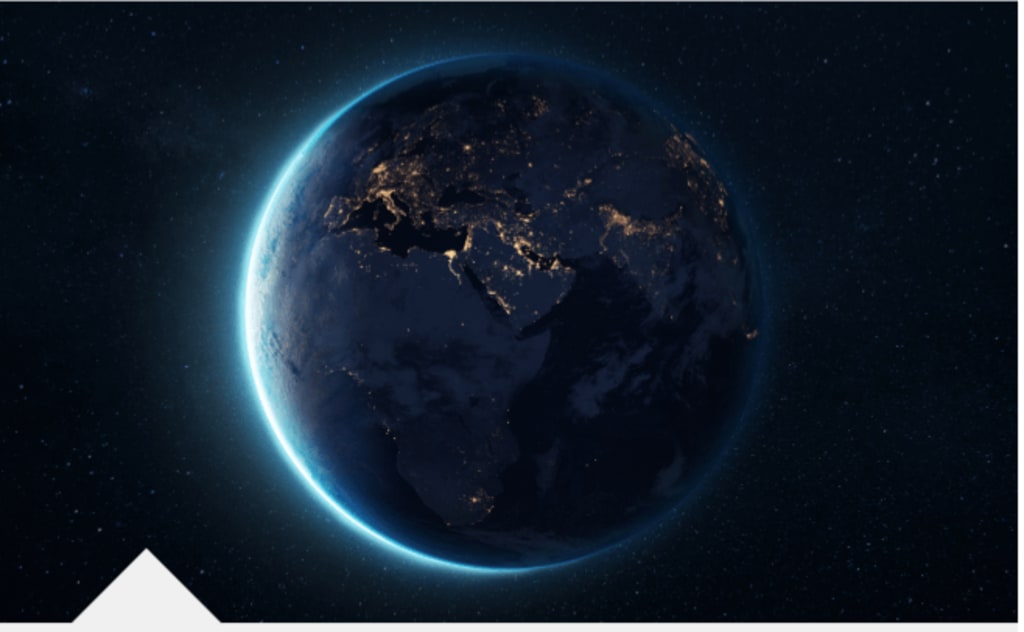
Scientists are sounding the alarm over a growing environmental threat that is nearly impossible to erase. Known as “forever chemicals,” a group of synthetic substances called PFAS (per- and polyfluoroalkyl substances) are spreading across the Earth—from drinking water and soil to rain, snow, and even human blood.
These chemicals earned their ominous nickname because they do not naturally break down in the environment. Once released, they remain for decades or longer, accumulating in ecosystems and living organisms. What once seemed like a scientific breakthrough has now become one of the most persistent forms of pollution humanity has ever created.
🧪 What Are “Forever Chemicals”?
PFAS are a family of man-made chemicals developed in the 1940s for their resistance to heat, water, and oil. They have been widely used in everyday products such as:
Nonstick cookware
Water-resistant clothing
Food packaging
Firefighting foam
Cosmetics
Stain-resistant carpets
These chemicals are extremely stable because of strong carbon-fluorine bonds, which nature cannot easily break apart. While this durability made them useful in industry, it also means they accumulate indefinitely in soil, water, animals, and humans.
🌍 Pollution on a Global Scale
Recent scientific studies have revealed that PFAS contamination is now found in nearly every corner of the planet. Researchers have detected these chemicals in:
Rainwater in remote regions
Arctic ice samples
Rivers and oceans
Wildlife tissue
Human blood samples worldwide
This means no place on Earth is truly untouched. Even areas far from factories or cities show traces of PFAS, carried by wind and water across continents.
Scientists warn that this widespread contamination is creating a new kind of environmental layer—one not visible to the eye but deeply embedded in the planet’s systems.
⚠️ Health Risks for Humans
One of the most troubling aspects of PFAS is their effect on human health. Because they accumulate in the body over time, even low-level exposure can pose serious risks.
Research has linked PFAS exposure to:
Increased cancer risk
Liver damage
Hormonal disruption
Weakened immune systems
Fertility problems
Developmental issues in children
PFAS have also been shown to interfere with vaccines by reducing the body’s immune response. This makes them especially concerning in a world still recovering from major pandemics.
Since these chemicals stay in the bloodstream for years, continuous exposure through food and water leads to long-term buildup, increasing the likelihood of chronic illness.
🐟 Impact on Wildlife and Ecosystems
Animals are suffering alongside humans. PFAS accumulate in fish, birds, and mammals, disrupting reproductive systems and weakening immune defenses.
Marine life is particularly vulnerable. Fish exposed to PFAS show signs of liver stress and reduced growth, while birds exhibit lower hatching rates and developmental abnormalities. Predators that consume contaminated animals absorb even higher concentrations, creating a dangerous chain reaction through food webs.
This chemical burden threatens biodiversity and destabilizes ecosystems already strained by climate change and habitat loss.
🚒 How Did It Get So Bad?
Much of today’s contamination can be traced back to decades of industrial use and firefighting foam deployed at military bases and airports. PFAS seeped into groundwater and rivers, often unnoticed for years.
Because these chemicals were once considered safe and useful, regulation lagged far behind production. Only in recent years have governments begun acknowledging the scale of the problem.
In many communities, PFAS contamination has forced residents to stop using tap water altogether, relying on bottled water or expensive filtration systems.
🏛 Global Response and Regulation
Governments around the world are now scrambling to respond. Some countries have banned certain PFAS compounds, while others are introducing strict limits on drinking water contamination.
The European Union has proposed one of the most sweeping bans on PFAS use, aiming to restrict thousands of chemical variants. In the United States, environmental agencies are setting tighter safety thresholds and pushing for cleanup of polluted sites.
However, scientists warn that regulation alone will not remove what already exists. Because PFAS persist indefinitely, cleanup is costly and technically challenging.
🧠 Can Forever Chemicals Be Destroyed?
The biggest scientific challenge is figuring out how to eliminate PFAS once they are in the environment. Traditional water treatment systems cannot remove them effectively.
Researchers are exploring new solutions, including:
High-temperature destruction
Advanced filtration methods
Chemical breakdown using plasma or UV light
Specialized bacteria that may degrade certain PFAS compounds
While promising, these technologies are still expensive and limited in scale. Removing PFAS from the entire planet remains beyond current capabilities.
🌱 What Can Individuals Do?
Although the problem is global, individuals can take steps to reduce personal exposure:
Use water filters designed to remove PFAS
Avoid nonstick cookware when possible
Choose PFAS-free clothing and cosmetics
Reduce consumption of packaged and fast foods
Support environmental policies and awareness campaigns
Consumer pressure is also forcing companies to develop safer alternatives, which could help slow future contamination.
🔮 A Wake-Up Call for the Future
The rise of forever chemicals highlights a deeper issue: humanity’s relationship with synthetic materials. For decades, convenience and profit outweighed caution. Only now are the long-term consequences becoming clear.
Scientists argue that PFAS pollution should serve as a warning about introducing substances into the environment without understanding their life cycle. The Earth is now carrying a chemical footprint that may last centuries.
✨ Final Thoughts
The warning from scientists is stark: Earth is being coated in a chemical layer that will not disappear on its own. PFAS contamination represents one of the most persistent environmental challenges of the modern age.
While progress is being made through research and regulation, the scale of the issue demands global cooperation, innovation, and responsibility. The choices made today will determine whether future generations inherit a cleaner planet—or one permanently marked by invisible toxins.
Forever chemicals may not break down, but humanity still has the power to stop adding more. The question is whether we will act fast enough.
About the Creator
Sajida Sikandar
Hi, I’m Sajida Sikandar, a passionate blogger with 3 years of experience in crafting engaging and insightful content. Join me as I share my thoughts, stories, and ideas on a variety of topics that matter to you.
Keep reading
More stories from Sajida Sikandar and writers in Earth and other communities.
Melting Antarctic Ice Did the Opposite of What Scientists Expected
The Antarctic ice sheet, one of the largest reservoirs of frozen water on Earth, has long been under close observation by climate scientists. Conventional wisdom suggested that as global temperatures rise, the ice sheet would steadily thin and retreat, contributing to accelerating sea-level rise. But recent research is showing that parts of Antarctica are behaving in ways scientists did not anticipate, potentially rewriting our understanding of how the southernmost continent reacts to climate change.
By Sajida Sikandar5 days ago in Earth
Rape Trial Puts Norway's Royal Family in Unwelcome Glare of Public
Norway’s royal family, long regarded as one of Europe’s most respected and low-profile monarchies, has recently found itself under intense public scrutiny following a high-profile rape trial connected to individuals within its extended social and public circle. The case has triggered widespread media attention, national debate, and renewed discussion about how institutions — even symbolic ones like monarchies — navigate crises involving criminal allegations.
By Aarif Lashari7 days ago in Earth
The Devil's Triangle
The sails ruffled in the breeze as we cruised along. The Sea Breeze was a mid-size catamaran that sailed out of Royal Naval Dockyard in Bermuda. We had booked this trip weeks in advance and were now looking at our Captain, Spike and two boat hands. Paddy and Wilson seemed like nice guys, joking around with the passengers and telling us some stories about Bermuda that only locals would know. Their island accents sounded almost British but they were pleasant to listen to.
By Barbara Gode Wiles5 days ago in Fiction



Comments
There are no comments for this story
Be the first to respond and start the conversation.