
Asia’s Culinary Odyssey: A Journey Through Flavors, Traditions, and Innovation
Discover the Continent’s Most Iconic Dishes and the Stories Behind Them

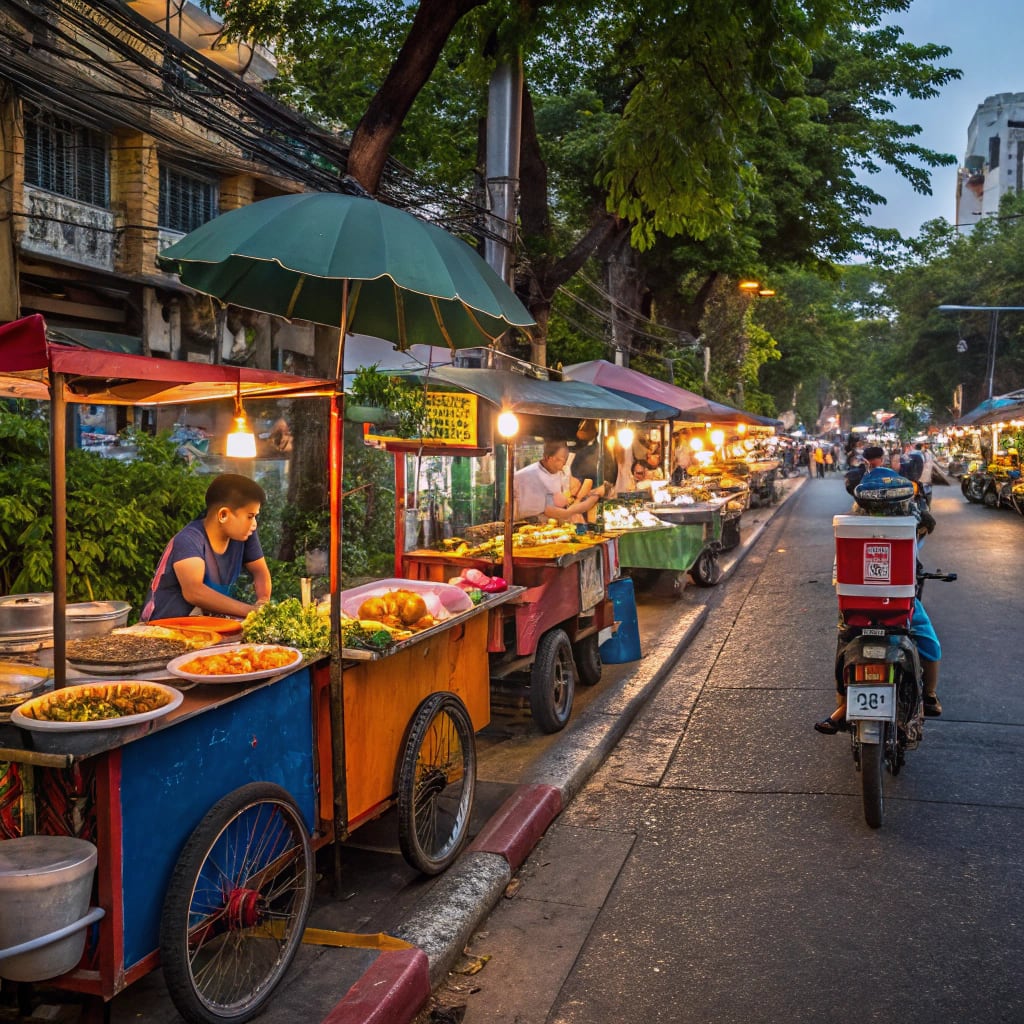
Asia’s culinary landscape is a vibrant mosaic of flavors, techniques, and traditions that reflect the continent’s rich cultural diversity and historical depth. From street food stalls to Michelin-starred restaurants, Asia’s food scene is a testament to its ability to blend ancient recipes with modern innovation. This post explores five culinary destinations across Asia, each offering a unique gastronomic experience that is as enlightening as it is delicious. Embark on a mouthwatering journey that unveils the stories, philosophies, and craftsmanship behind Asia’s most iconic cuisines.
1. Bangkok, Thailand: The Street Food Capital
Bangkok’s bustling streets are a haven for food lovers, where vibrant markets like Chatuchak and Yaowarat serve up dishes bursting with flavor. Tom Yum Goong, a spicy shrimp soup, balances sour, sweet, salty, and spicy notes, reflecting Thailand’s culinary philosophy of harmony. Pad Thai, stir-fried noodles with tamarind and peanuts, showcases the country’s knack for combining simple ingredients into complex dishes. Street vendors, many with generations-old recipes, embody Bangkok’s democratic food culture, where everyone can savor world-class cuisine. The city’s food scene teaches resilience and creativity, as vendors adapt to modern tastes while preserving tradition.
2. Mumbai, India: A Melting Pot of Spices
Mumbai’s culinary scene is as dynamic as its skyline, blending regional Indian flavors with global influences. Vada Pav, a spicy potato fritter in a bun, is the city’s quintessential street food, born from the fast-paced lives of its workers. The iconic Dabbawala system, delivering home-cooked meals across the city, reflects Mumbai’s logistical genius and communal spirit. Dishes like Butter Chicken and Parsi Dhansak reveal the city’s multicultural heritage, with influences from Mughal, Portuguese, and Zoroastrian cuisines. Mumbai’s food tells a story of migration, adaptation, and bold experimentation, offering a masterclass in cultural fusion.
3. Hanoi, Vietnam: The Art of Balance
Hanoi’s cuisine is a delicate dance of fresh ingredients and refined techniques, rooted in Vietnam’s agricultural abundance. Phở, the aromatic noodle soup with beef or chicken, is a national treasure, its broth simmered for hours to achieve depth and clarity. Bánh Mì, a French-Vietnamese sandwich, marries crusty baguettes with local herbs and meats, showcasing colonial influences transformed by local ingenuity. Hanoi’s street-side eateries and cyclo vendors serve dishes like Cha Ca, grilled fish with dill, embodying the city’s emphasis on freshness and balance. Hanoi’s food culture teaches mindfulness, as each dish is a lesson in precision and harmony.
4. Penang, Malaysia: The Crossroads of Flavors
Penang, Malaysia’s food capital, is a culinary crossroads where Malay, Chinese, and Indian influences collide. Nasi Kandar, a rice dish with curries and sides, reflects the island’s multicultural soul, while Char Kway Teow, stir-fried noodles with shrimp and soy sauce, highlights Chinese heritage. Penang’s hawker centers, like Gurney Drive, are UNESCO-recognized for their role in preserving culinary traditions. The use of local spices like turmeric and galangal adds depth to dishes, connecting diners to Malaysia’s trade history. Penang’s food is a powerful reminder of how diversity fuels creativity, making every bite a cultural revelation.
5. Tokyo, Japan: Precision Meets Passion
Tokyo, with more Michelin-starred restaurants than any other city, is a global pinnacle of culinary excellence. Sushi, crafted with precision at places like Sukiyabashi Jiro, elevates raw fish to an art form, rooted in Japan’s reverence for nature. Ramen, served in cozy yatai stalls, transforms humble noodles into soul-warming bowls of umami. Tokyo’s kaiseki dining, a multi-course meal, reflects the philosophy of seasonality and balance, with each dish a meditation on flavor and presentation. The city’s food culture, blending tradition with innovation, offers profound insights into discipline, aesthetics, and sustainability.
Conclusion: A Feast for the Senses and Mind
Asia’s culinary diversity is a gateway to its history, philosophy, and innovation. From Bangkok’s fiery street eats to Mumbai’s spicy fusion, Hanoi’s delicate balance, Penang’s multicultural medley, and Tokyo’s refined artistry, each destination offers a feast that nourishes both body and soul. These cuisines are more than food—they are stories of resilience, adaptation, and creativity. Whether you’re a foodie or a curious traveler, Asia’s culinary odyssey promises a powerful, enlightening journey that lingers long after the last bite.
About the Creator
Arjun. S. Gaikwad
Truth Writing unveils reality beyond illusion, power, and propaganda words that awaken conscience and challenge comfort. Fearless, honest, and thought-provoking, it explores politics, humanity, and spirit to inspire awareness and change.
Keep reading
More stories from Arjun. S. Gaikwad and writers in Earth and other communities.
Asia’s Hidden Gems: Unraveling the Continent’s Most Captivating Destinations
Asia, the largest and most diverse continent, is a tapestry of cultures, landscapes, and histories that captivate travelers and scholars alike. Its allure lies in its ability to blend ancient traditions with cutting-edge modernity, offering experiences that are as enlightening as they are breathtaking. This post unveils some of Asia’s best destinations, showcasing their unique charm and profound knowledge embedded in their heritage. Prepare to be inspired by places that are not just visually stunning but also intellectually enriching.
By Arjun. S. Gaikwad6 months ago in Earth
UK Exposed to ‘Serious Harm’ by Failure to Tackle AI Risks, MPs Warn
The United Kingdom is facing growing warnings from Parliament that its approach to regulating artificial intelligence (AI) could leave citizens and the financial system exposed to serious harm. A recent report by the House of Commons Treasury Select Committee criticizes the government for a “wait-and-see” attitude toward AI risks, especially in financial services.
By Aarif Lashariabout 5 hours ago in Earth
The Dryads Are Calling
Deep within the heart of ancient forests, where sunlight filters through towering canopies and the air hums with life, there exists a world few humans truly understand. It is a world of dryads, the mythical tree spirits of folklore, silently observing, nurturing, and sometimes guiding the creatures that dwell among the trees. Today, their legend continues to captivate the imagination, blending myth, nature, and a touch of magic.
By Aarif Lasharia day ago in Earth
Wild Card Weekend Recap: What Happens Now?
I think I figured out why I love Wild Card Weekend so much. It's because it's the first playoff anything of the calendar year. The NFL season starts in the fall, and once upon a time, the champion was crowned either on or slightly before New Year's. The evolution of the NFL schedule has resulted in the playoffs starting just into the New Year, and currently, the final week of the season falls on the first weekend of the New Year, with Wild Card Weekend coming a week after that. So yes, chronologically, the NFL's Wild Card Weekend serves as the first playoff anything of the calendar year.
By Clyde E. Dawkins7 days ago in Unbalanced




Comments
There are no comments for this story
Be the first to respond and start the conversation.