
Artificial Intelligence in Relationships: Navigating the Complex Landscape
Navigating the Digital Divide: The Impact of AI on Relationships

Artificial Intelligence in Relationships: Navigating the Complex Landscape
Navigating the Digital Divide:
In an era where technology is seamlessly woven into the fabric of our lives, artificial intelligence (AI) has emerged as a transformative force in various domains. One area where its impact is particularly pronounced is in the realm of relationships. As AI technologies become more sophisticated and pervasive, their influence on how we connect, communicate, and relate to one another is both profound and multifaceted. This article explores the myriad positive and negative effects of AI on relationships, shedding light on the nuanced dynamics at play.
Positive Effects:
Enhanced Communication and Connectivity:
AI has ushered in a new era of communication tools that facilitate seamless connectivity between individuals. Messaging apps, chatbots, and virtual assistants streamline communication, making it more efficient and accessible. These tools can help partners stay connected even in the busiest of times, fostering a sense of closeness and understanding.
Long-Distance Relationships:
For couples separated by geographical distances, AI technologies act as a bridge, enabling virtual presence through video calls, instant messaging, and social media. This virtual proximity can help maintain emotional bonds, reducing the strain of physical separation.
Personalized Recommendations and Shared Experiences:
AI algorithms, driven by machine learning, analyze user preferences and behaviors to offer personalized recommendations for various activities. This can enhance shared experiences in relationships, as couples discover new movies, music, or hobbies based on their collective interests.
Supportive Mental Health Apps:
AI-powered mental health applications contribute positively to relationships by providing accessible tools for emotional well-being. Couples can engage with these apps together, promoting an environment where mental health is prioritized and supported.
Efficiency in Daily Tasks:
AI-driven personal assistants help individuals manage their schedules, set reminders, and automate routine tasks. This efficiency can reduce stress and free up time for couples to spend quality moments together, fostering a sense of balance in their lives.
Negative Effects:
Reduced Face-to-Face Interaction:
While AI enhances digital communication, there is a risk of it replacing meaningful face-to-face interactions. Over-reliance on text-based communication may lead to a loss of the emotional richness that comes with in-person conversations, impacting the depth of interpersonal connections.
Privacy Concerns:
The collection and analysis of vast amounts of personal data by AI systems raise legitimate privacy concerns. Relationship data, if mishandled or exploited, can lead to breaches of trust, potentially eroding the foundation of a relationship.
Unrealistic Relationship Expectations:
Exposure to curated content on social media and AI-generated personas can contribute to unrealistic expectations in relationships. Couples may compare their own lives to idealized standards portrayed online, leading to dissatisfaction and strain on the relationship.
Technology Addiction:
The pervasive use of AI-powered devices may contribute to technology addiction, wherein individuals become overly reliant on screens for communication and entertainment. Excessive screen time can lead to disengagement from real-world interactions, negatively impacting the quality of time spent with loved ones.
Job Displacement and Economic Stress:
The integration of AI into various industries has the potential to lead to job displacement and economic stress. If one partner experiences the negative effects of automation in their career, it can strain relationships due to financial uncertainties and job-related stress.
Emotional Detachment from Automation:
The reliance on AI for emotional support, such as through chatbots or virtual companions, may result in emotional detachment from real human connections. Genuine emotional intimacy may be compromised when individuals turn to AI for companionship or solace.
Conclusion:
In navigating the complex interplay between AI and relationships, it is imperative to recognize the dichotomy of its effects. While AI introduces unprecedented conveniences and opportunities for connectivity, it also poses challenges that demand thoughtful consideration. Striking a balance between the benefits and drawbacks of AI in relationships requires intentional use, open communication, and a shared commitment to fostering genuine connections.
The positive impact of AI on relationships lies in its ability to enhance communication, facilitate connectivity, and offer personalized experiences. These aspects contribute to the richness of shared moments and the maintenance of connections, especially in the face of physical distance.
Conversely, the negative effects of AI, ranging from privacy concerns to potential emotional detachment, underscore the need for ethical considerations and responsible use. It is essential for individuals and couples to be mindful of the potential pitfalls and actively work towards mitigating the negative impacts of AI on their relationships.
Ultimately, the integration of AI into our interpersonal lives is an ongoing evolution. By understanding the positive and negative effects, we can navigate this landscape with awareness, ensuring that technology complements, rather than replaces, the authentic connections that form the foundation of meaningful relationships. As we progress into a future increasingly shaped by AI, the onus is on us to harness its potential for positive transformation while safeguarding the depth and authenticity of our human connections.
Words: 803
0
About the Creator
UAE’s New Child Digital Safety Law Puts Parents at Risk of Fines
The United Arab Emirates has rolled out a new Child Digital Safety Law, aimed at safeguarding children from online dangers. But this ambitious law does more than regulate digital platforms — it puts parents and legal guardians directly in the accountability frame, holding them responsible for monitoring their children’s online activities. Failure to comply could result in fines that reach up to AED 1 million, depending on the severity of the violation.
By Muhammad Hassanabout 17 hours ago in Earth
Tidal Barrier to Be 10m Shorter to Save Money
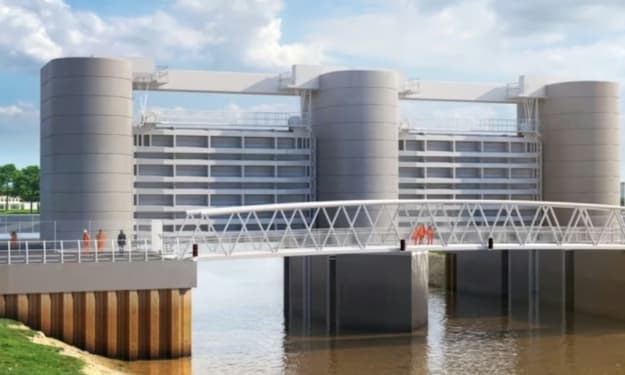
Rethinking Flood Protection in Somerset If you live near the coast, the threat of flooding isn’t just news — it’s a reality you can feel. That’s the situation in Bridgwater, Somerset, a historic market town near the Bristol Channel. For years, plans have been underway to build a tidal barrier to protect homes, businesses, and livelihoods from storm surges. Now, new updates reveal the barrier will be about 10 metres shorter than originally planned, a decision aimed at reducing costs while still keeping the town safe. This announcement has sparked conversations about engineering, budgets, and how communities adapt to climate challenges. Why the Barrier Is Being Shortened The Bridgwater Tidal Barrier was initially designed to be a high-profile flood defence, protecting thousands of properties from tidal surges that travel up the River Parrett. But after a recent design efficiency review, engineers concluded the barrier could be slightly shorter without compromising safety. Reducing the barrier by 10 metres lowers construction complexity, saves money, and reduces long-term maintenance costs. The Environment Agency and local authorities say this approach allows the project to move forward on time and on budget, ensuring the community gets protection sooner rather than later. The Cost Factor Public infrastructure projects like this don’t happen in a vacuum. Rising inflation, global supply chain disruptions, and labor shortages have increased costs for large-scale projects. Officials argue that the revised design is a responsible compromise: it balances cost savings with safety. Somerset Council leaders have welcomed the decision, noting that managing costs wisely helps the project reach completion without compromising protection for residents. Community Voices and Concerns Local engagement has been a key part of the project. Residents have attended consultations and drop-in sessions to see the updated plans and ask questions. Some community members appreciate the cost savings and faster timeline. Others worry whether a shorter barrier will be as effective against future extreme weather events. Questions include: Will the barrier remain strong against increasingly unpredictable storms? Does reducing the height limit future adaptability as climate impacts grow? What effect might it have on local ecosystems and fish habitats? These are valid concerns, reflecting how communities are increasingly involved in climate adaptation decisions. Engineering Flood Defence Today Tidal barriers are not new — Britain has relied on them for decades. London’s Thames Barrier, for instance, has protected the capital since the 1980s. But today, rising sea levels and more frequent storms mean engineers must balance safety, cost, and environmental impact carefully. In Bridgwater, officials say the revised barrier will still protect against 1-in-200-year tidal events. It’s designed to provide robust safety now while remaining adaptable for the future. The Human Side of Flood Protection It’s easy to get lost in numbers and metres, but behind the design decisions are real people. Residents depend on reliable flood protection to feel secure in their homes and communities. For families, businesses, and local services, knowing a barrier is being built — even a slightly shorter one — provides peace of mind. It’s not just a structure; it’s a symbol of resilience and preparedness. Next Steps for the Barrier The Bridgwater project is still under construction, with the revised design undergoing final refinements. Once completed, the tidal barrier will provide long-term protection for thousands of properties and critical infrastructure in Somerset. Officials emphasize that the shortened design does not compromise safety. If anything, staying on budget ensures the project is completed faster, meaning protection arrives sooner for the community. A Lesson in Climate Adaptation The story of the Bridgwater Tidal Barrier is more than engineering or economics. It’s about how communities respond to climate risks and how governments make tough choices balancing safety, cost, and sustainability. The barrier being 10 metres shorter may seem small on paper, but it reflects a larger truth: infrastructure planning today is as much about community engagement, adaptability, and long-term resilience as it is about concrete and steel. By keeping people involved and making informed, cost-effective decisions, Somerset shows how towns can adapt to climate change without sacrificing safety. Conclusion The Bridgwater Tidal Barrier demonstrates that infrastructure projects in the 21st century must adapt to multiple pressures: climate change, financial constraints, and community expectations. While the barrier is slightly shorter than originally planned, it remains a critical line of defence against flooding. More importantly, it highlights the importance of public involvement, transparency, and strategic planning in building a resilient community. For Bridgwater residents, the message is clear: the tide may rise, storms may come, but with smart planning and community engagement, the town will be ready
By Muhammad Hassan7 days ago in Earth



Comments (2)
There are both good and bad things about ai. It's all about how we use it.
Great