

The production of EVs and the generation of electricity used to recharge their batteries can result in greenhouse gas emissions, depending on the source of the electricity.
The environmental impact of EVs depends on several factors, including the source of the electricity used to recharge the batteries, the efficiency of the power generation and transmission system, and the production process of the vehicle and its components.
The environmental impact of an electric vehicle (EV) depends on several factors, including the source of the electricity used to recharge the batteries. The production of electricity from fossil fuels such as coal, oil, and natural gas releases greenhouse gases into the atmosphere, contributing to global warming and climate change.
The carbon footprint of an EV depends on the mix of energy sources used to generate the electricity it consumes. For example, EVs charged in regions with high levels of renewable energy, such as wind or solar power, will have a lower carbon footprint compared to EVs charged in regions with a heavy reliance on fossil fuels.
Additionally, the production process of the EV, including the production of the vehicle components and the energy used in manufacturing, also contributes to the vehicle's overall carbon footprint.
It's important to consider the source of the electricity used to recharge the batteries when evaluating the environmental impact of EVs. By charging EVs with electricity generated from renewable sources, it's possible to significantly reduce the carbon footprint of transportation.
In regions where the electricity grid is powered by low-carbon sources such as wind, solar, or hydropower, EVs can have a significantly lower carbon footprint compared to petrol cars. In regions where the electricity grid relies heavily on fossil fuels, the environmental impact of EVs may be less significant.
It's worth noting that EVs are becoming increasingly green as the electricity grid is transitioning to cleaner sources of energy and as the efficiency of the power generation and transmission system improves. However, it's not possible to say that EVs are 100% green at this time.
In India, electricity is generated from a mix of sources including coal, natural gas, renewable energy, and nuclear power.
Coal is the primary source of energy in India, accounting for more than 60% of the country's total electricity generation. The use of coal has contributed to India's high levels of air pollution and greenhouse gas emissions.
Natural gas is another significant source of electricity in India, accounting for around 10% of the country's total generation. It is a cleaner source of energy compared to coal, but still releases greenhouse gases into the atmosphere.
Renewable energy is becoming increasingly important in India, with the government targeting an ambitious goal of generating 175 gigawatts (GW) of renewable energy by 2022. Currently, renewable energy sources such as wind, solar, and hydropower account for around 30% of India's total electricity generation.
Nuclear power is also a significant source of energy in India, accounting for around 2% of the country's total electricity generation. The use of nuclear power does not directly emit greenhouse gases, but the production of nuclear fuel and the construction of nuclear power plants can have environmental impacts.Overall, the energy mix in India is changing as the country works to reduce its dependence on fossil fuels and increase its use of clean and renewable energy. This transition is crucial for reducing the country's greenhouse gas emissions and mitigating the impacts of climate change.
About the Creator
Arjun SD
Engineer
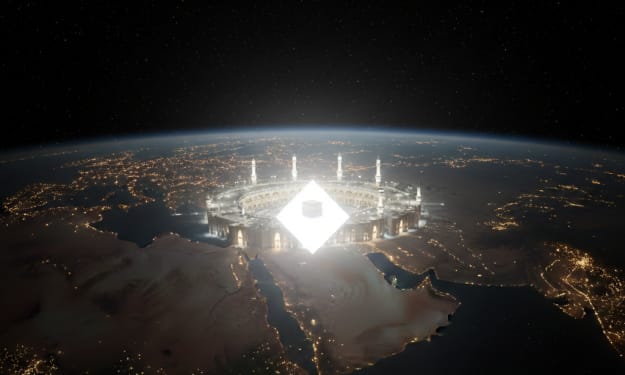
The Jewel of the Earth: How the Kaaba Shines Like a Diamond from Space
In the vast, silent expanse of the cosmos, where the Earth appears as a delicate blue marble against the infinite black of the universe, certain landmarks stand out with unexpected brilliance. Recently, a series of high-resolution images captured from the International Space Station (ISS) and advanced satellite arrays have left the global community in awe. The focal point? Masjid al-Haram in Mecca. From hundreds of miles above, the "House of Allah" does not just appear as a building; it radiates a piercing, crystalline glow, resembling a diamond set into the heart of the desert.
By Irshad Abbasi 2 days ago in Earth
Who is your "Person"?
It's important to recognize that you cannot go through life as easily on your own. My name is Elizabeth and I'm a survivor of child abuse and horrific trauma. Healing from trauma is not a quick fix and recognizing that it will take time, is part of the struggle.
By Elizabeth Woods2 days ago in Psyche



Comments
There are no comments for this story
Be the first to respond and start the conversation.