
Annapurna Circuit Trek: The Ultimate Guide for an Epic Himalayan Adventure
Annapurna Circuit Trek provides a challenge that is both accessible and rewarding. Here's everything you need to know before you take on this legendary trek.


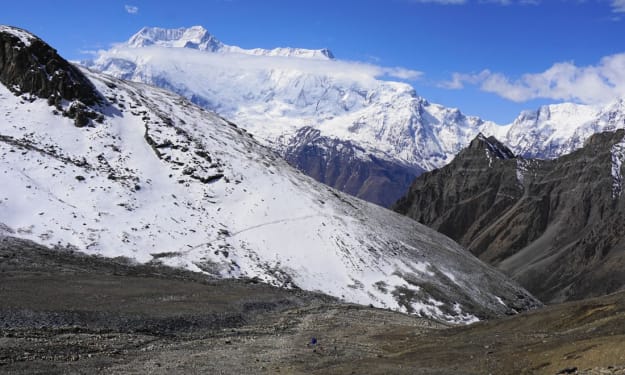
The Annapurna Circuit Trek is one of Nepal’s most iconic and beloved trekking routes, offering adventurers an unforgettable journey through diverse landscapes, ancient villages, and stunning Himalayan vistas. The trek takes you around the mighty Annapurna Massif, with dramatic views of some of the highest peaks in the world, including Annapurna I, Dhaulagiri, Machapuchare, and Manaslu. This trek is famous not only for its incredible natural beauty but also for the cultural richness it immerses you in, passing through diverse ethnic villages that showcase the traditional lifestyles of Nepal's mountain communities.
1. What is the Annapurna Circuit Trek?
The Annapurna Circuit Trek is a loop that spans approximately 160-230 kilometers (100-145 miles) depending on the route you choose. It starts from Besisahar in the Marsyangdi River Valley and circles the Annapurna massif, crossing over the Thorong La Pass, the highest point on the trek at 5,416 meters (17,769 feet).
This trek is one of the most famous in Nepal due to its incredible variety of landscapes, which range from lush subtropical forests to arid Tibetan-style terrain. Along the way, trekkers pass through charming villages, ancient monasteries, and remote Himalayan settlements. The Annapurna Circuit also offers an opportunity to experience the diverse cultures and traditions of the ethnic groups living in the region, including the Gurung, Thakali, and Tibetan communities.
2. Best Time to Trek the Annapurna Circuit
The best time to trek the Annapurna Circuit is during the spring and autumn seasons. Here's a breakdown of each:
- Spring (March to May): This is one of the most popular times for trekking in the Annapurnas. The weather is mild, the skies are generally clear, and the views of the snow-capped peaks are spectacular. The rhododendron forests are in full bloom, adding vibrant colors to the landscape.
- Autumn (September to November): This is another prime trekking season. The weather is stable, and the clear skies offer the best visibility of the mountain peaks. The days are warm, and the nights are chilly but manageable, making it ideal for trekking.
- Winter (December to February): While trekking in winter is possible, the cold temperatures can be extreme, especially at higher altitudes. The Thorong La Pass is often closed due to snow, and many teahouses shut down for the season. This season is best for experienced trekkers looking for solitude but be prepared for the cold.
- Monsoon (June to August): The monsoon season is not recommended due to heavy rainfall, which increases the risk of landslides and makes the trail slippery. Visibility is often poor, and some areas may be inaccessible.
3. Annapurna Circuit Trek Itinerary
The classic Annapurna Circuit trek typically takes 12-21 days to complete, depending on the speed of your trek and the time you spend acclimatizing. Below is a sample itinerary for the trek:
Day 1: Drive from Kathmandu to Besisahar (800m)
The trek begins with a scenic drive from Kathmandu to Besisahar, which takes about 6-8 hours. This is the starting point of the Annapurna Circuit.
Day 2: Trek from Besisahar to Ngadi (930m)
The first day of the trek takes you through lush subtropical forests and quaint villages. The landscape is quite green, and the trail gently ascends.
Day 3: Trek from Ngadi to Jagat (1,300m)
You continue along the Marsyangdi River, passing small villages and terraced fields. The trail becomes steeper as you climb towards Jagat, which is known for its traditional stone houses.
Day 4: Trek from Jagat to Dharapani (1,960m)
Dharapani marks the transition from lower-altitude farmland to more mountainous terrain. The landscape begins to change as you ascend.
Day 5: Trek from Dharapani to Chame (2,670m)
Chame is a small village located in a beautiful valley surrounded by high peaks. You'll notice the growing presence of Tibetan culture as you move further along the trek.
ay 6: Trek from Chame to Pisang (3,300m)
The trek continues through pine forests, and you begin to gain significant altitude. Pisang is an ideal stop for acclimatization.
Day 7: Trek from Pisang to Manang (3,500m)
Manang is a large, culturally rich village and a popular stop for trekkers to acclimatize. The views of the Annapurna range from here are breathtaking.
Day 8: Acclimatization Day in Manang
Spend a day in Manang to acclimatize to the altitude. You can explore the village and take short hikes to higher altitudes, such as Gangapurna Lake or Tengi.
Day 9: Trek from Manang to Yak Kharka (4,090m)
Yak Kharka is a high-altitude village where you'll find stunning views of the surrounding mountains. It’s essential to keep your pace slow to adjust to the altitude.
Day 10: Trek from Yak Kharka to Thorong Phedi (4,450m)
This is one of the most challenging days of the trek, as you approach the base of the Thorong La Pass.
Day 11: Cross Thorong La Pass (5,416m) to Muktinath (3,800m)
The longest and most difficult day of the trek, crossing Thorong La Pass is a physically demanding challenge. However, the views from the top of the pass are spectacular, offering sweeping panoramas of the Annapurna and Dhaulagiri ranges. Afterward, descend to Muktinath, a sacred site for both Hindus and Buddhists.
Day 12: Trek from Muktinath to Jomsom (2,700m)
From Muktinath, trek down to Jomsom, a village in the Mustang region. Jomsom is known for its pleasant weather and is often used as a stopover for trekkers and pilgrims.
Day 13: Flight from Jomsom to Pokhara
From Jomsom, take a flight back to Pokhara. Alternatively, you can trek for an additional day or two to reach Tatopani (hot springs) and relax before returning to Pokhara.
4. Acclimatization and Health
As you ascend the Annapurna Circuit, the altitude increases significantly, so proper acclimatization is crucial to prevent altitude sickness. The Thorong La Pass at 5,416 meters is the highest point on the trek, so it's essential to take acclimatization days, especially in Manang.
Stay hydrated, eat well, and listen to your body. Symptoms of altitude sickness include headaches, dizziness, nausea, and difficulty breathing. If you experience any of these symptoms, it's important to descend to a lower altitude immediately and seek medical attention if needed.
5. Highlights of the Annapurna Circuit Trek
The Annapurna Circuit offers a diverse range of experiences, from the lowland villages to the high mountain passes. Here are some of the key highlights of the trek:
- Thorong La Pass: The highest point of the trek offers unparalleled views of the Annapurna and Dhaulagiri ranges.
- Manang: A cultural hub with stunning views, monasteries, and opportunities for acclimatization.
- Muktinath: A sacred religious site for Hindus and Buddhists, featuring a famous temple and natural wonders like the eternal flame.
- Diverse Landscapes: From subtropical forests and terraced fields to alpine meadows and arid highland deserts, the trek showcases an incredible range of ecosystems.
- Breathtaking Mountain Views: Views of peaks like Annapurna I, Dhaulagiri, Machapuchare, and Manaslu will take your breath away at every turn.
6. Tips for Trekking the Annapurna Circuit
Pack Light: While it's important to bring essential gear, try to pack as light as possible. Most teahouses along the way offer food and basic accommodations.
- Hire a Guide or Porter: If you're new to trekking, consider hiring a guide or porter. They can help navigate the trail, provide insights into the culture, and make your journey more enjoyable.
- Respect Local Culture: The Annapurna Circuit passes through many villages with rich cultural traditions. Be respectful of local customs, particularly in villages like Manang and Muktinath.
- Stay Hydrated: Drink plenty of water to avoid dehydration at higher altitudes.
- Wear Proper Footwear: Make sure your trekking boots are comfortable and well-broken in to avoid blisters and discomfort during the trek.
Conclusion
The Annapurna Circuit Trek is a once-in-a-lifetime experience that offers stunning views, cultural immersion, and a physical challenge that trekkers of all abilities can enjoy. Whether you’re aiming to conquer Thorong La Pass or simply enjoy the beauty of the Himalayas, the Annapurna Circuit is sure to leave a lasting impression. With careful preparation, acclimatization, and respect for the local culture, this trek will undoubtedly be an adventure you will never forget.
About the Creator
Anya Gurung
I am a traveller/explorer
Keep reading
More stories from Anya Gurung and writers in Earth and other communities.
Climbing Chulu West Peak: A Journey to the Summit of Adventure
Chulu West Peak stands as one of the most sought-after peaks in the Annapurna Region of Nepal, offering an extraordinary blend of adventure, natural beauty, and a challenging climbing experience. At an altitude of 6,419 meters (21,054 feet), Chulu West is a non-technical peak, which makes it an ideal choice for those looking to push their limits in high-altitude climbing without being too technical. Despite this, the climb still presents significant challenges due to its altitude, unpredictable weather conditions, and the rugged terrain of the Annapurna Conservation Area.
By Anya Gurung10 months ago in Earth
Half of World’s CO2 Emissions Come From Just 32 Fossil Fuel Firms, Study Shows
A groundbreaking new study has revealed that 32 fossil fuel companies are responsible for half of global carbon dioxide emissions since the industrial era began. The findings highlight the outsized influence of major oil, gas, and coal producers on climate change, and raise urgent questions about accountability, regulation, and the transition to cleaner energy.
By Aarif Lashari3 days ago in Earth
Plans Lodged for Assembly Rooms Replacement
Plans have been officially lodged for the replacement of the iconic Assembly Rooms, marking a major step in the transformation of one of the city’s most cherished cultural and social landmarks. The move aims to preserve the legacy of the site while creating a modern, versatile venue capable of hosting contemporary events, conferences, and community gatherings.
By Aarif Lashari4 days ago in Earth



Comments
There are no comments for this story
Be the first to respond and start the conversation.