
Annapurna Base Camp Trek: Walk into the Heart of the Himalayas
A Scenic Trail to the Base of Annapurna I
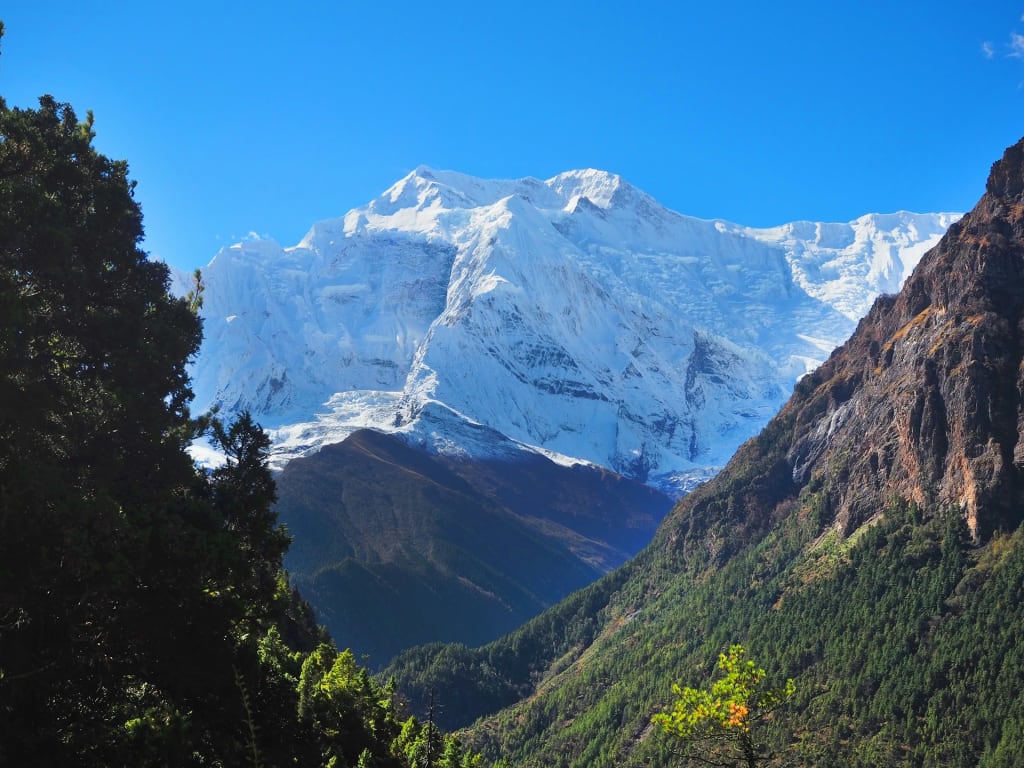
The Annapurna Base Camp Trek is one of Nepal’s most cherished trekking routes, delivering a perfect mix of moderate adventure, cultural richness, and panoramic mountain views. It takes you right into the Annapurna Sanctuary—a natural amphitheater of towering peaks dominated by Annapurna I, standing at 8,091 meters. Few treks in the world offer such a close-up view of snow-capped giants in such a short span.
Starting from Pokhara, the journey kicks off in lush, subtropical forests and terraced hillsides. With each step forward, the terrain shifts—first into dense rhododendron forests, then high alpine pastures, and finally into stark, icy landscapes as you approach the base camp. Every turn of the trail introduces a new element, keeping the trek exciting and visually stunning.
Ideal for Beginners and Experienced Trekkers
The Annapurna Base Camp Trek is often recommended for first-timers because of its gradual elevation gain and manageable daily walking hours. However, experienced trekkers also enjoy it for its natural beauty and the opportunity to revisit one of the most scenic places in Nepal without the logistical complexities of longer expeditions.
The trek can be done in 7 to 12 days, depending on your route and pace. A popular version includes a loop through Ghorepani and Poon Hill, where trekkers wake early to catch sunrise over the Annapurna and Dhaulagiri ranges—a bonus experience that adds both altitude and adventure. For those short on time, there’s a direct route that skips the detour but still delivers the iconic base camp experience.
Cultural Warmth and Mountain Traditions
What makes this trek even more memorable is the warmth of the local communities. The Gurung and Magar people, known for their service in the British Gurkha army, reside in many of the villages along the way. Their hospitality is unmatched, and sharing a cup of tea or a traditional dal bhat meal in their teahouses offers a cultural exchange that goes beyond the usual trekking experience.
You'll pass through culturally rich villages like Ghandruk, a traditional Gurung settlement with slate-roofed houses and stone-paved trails, and Chhomrong, perched high on a hillside with spectacular views. Prayer flags flutter in the wind, and Buddhist chortens line the trail, offering a spiritual undertone to the physical journey.
Ever-Changing Landscapes and Rich Biodiversity
The Annapurna region is incredibly diverse. Early in the trek, you’ll find yourself surrounded by green hills, waterfalls, and thick forests teeming with birds. Springtime brings an explosion of color as rhododendrons bloom in red, pink, and white. As you move higher, the forests thin out and the mountains begin to dominate the horizon.
Beyond Deurali, the trail enters the Annapurna Sanctuary itself. Here, the landscape opens up into a broad glacial basin surrounded by peaks on all sides—Machapuchare, Annapurna South, Hiunchuli, and Annapurna I towering above. At Annapurna Base Camp, you're surrounded by mountains in every direction. Sunrise here is a magical experience as the golden light paints the snow-covered giants.
Practical Information and When to Go
Spring (March to May) and autumn (September to November) are the best times to trek. During these months, the skies are clear, temperatures are moderate, and the trails are at their best. While winter trekking is possible, snow can make the higher stretches difficult, especially around Machapuchare Base Camp.
Trekking in monsoon (June to August) is less ideal due to rain, slippery paths, and leeches in the lower forests—but the valleys are incredibly green, and you’ll find far fewer trekkers.
The trek is well-supported by teahouses offering food, hot drinks, and accommodation. Most places provide warm blankets, but it’s a good idea to bring a sleeping bag for higher altitudes. Basic amenities are available, though don’t expect luxury—this trek is about simplicity, nature, and authentic experiences.
Health, Fitness, and Acclimatization
Although the maximum altitude is 4,130 meters, acclimatization is still important. The gradual gain in elevation helps reduce the risk of altitude sickness, but staying hydrated, walking slowly, and listening to your body is key. No technical climbing is required, but a decent level of fitness will enhance your experience. Daily hikes range from 4 to 6 hours, with some steep ascents and descents, especially around Chhomrong and Bamboo.
Hiring a guide or porter is optional but recommended, especially for first-time trekkers or those who prefer extra support. Guides also add value with their local knowledge, cultural insights, and route management.
Final Thoughts
The Annapurna Base Camp Trek is more than just a walk in the mountains it’s a deeply rewarding journey through nature, culture, and personal endurance. It combines Nepal’s iconic mountain scenery with warm hospitality, diverse ecosystems, and the unmatched serenity of standing beneath towering Himalayan peaks.
For those looking to explore the Himalayas without extreme altitude or isolation, this trek offers the perfect mix of adventure and accessibility. Whether you're trekking solo, with friends, or joining a group, the memories you make on this trail will stay with you for a lifetime.
About the Creator
Keep reading
More stories from Oliver Backman and writers in Earth and other communities.
Chulu West Peak: A High-Altitude Challenge in the Annapurna Region
Chulu West Peak, rising to 6,419 meters, is one of the most striking trekking peaks in Nepal. Situated in the northwestern part of the Annapurna region, this peak offers a thrilling extension to the classic Annapurna Circuit. For adventurers looking to graduate from trekking to alpine climbing, Chulu West Peak delivers the perfect blend of culture, scenery, and high-altitude challenge. It’s a rewarding choice for experienced trekkers with basic climbing knowledge and a hunger for Himalayan heights.
By Oliver Backman10 months ago in Earth
Rising from the Depths: Archaeologists Lift Massive Stones from the Legendary Lighthouse of Alexandria
The Lighthouse of Alexandria, also known as the Pharos of Alexandria, has fascinated historians and travelers for centuries. Built over 2,300 years ago, it was one of the Seven Wonders of the Ancient World, guiding sailors safely through the treacherous waters of the Mediterranean. Now, modern archaeology is uncovering parts of this legendary beacon in a way few could have imagined.
By Ayesha Lashari3 days ago in Earth
Five Remain Displaced After Roof Damaged in Storm
Five people remain displaced after a powerful storm tore through a residential neighborhood, severely damaging the roof of a family home and forcing emergency services to declare the property unsafe. The incident occurred late in the evening as heavy rain and strong winds swept across the area, leaving behind structural damage that residents say happened within minutes.
By Fiaz Ahmed 3 days ago in Earth
The Pride Flag and the Diversion
For nearly a decade, the LGBTQIA Pride Flag rippled in the wind at Christopher Park, a kaleidoscope of color staked into the soil of America’s first national monument to LGBTQIA+ liberation. That flag came down this week. Federal officials, citing new guidance from the Trump Administration, silently lowered the rainbow flag from its pole across the street from the Stonewall Inn. The birthplace of the modern gay rights movement now flies only the United States flag.
By Tim Carmichaelabout 15 hours ago in Pride



Comments
There are no comments for this story
Be the first to respond and start the conversation.