
An increase in Mediterranean climate extremes is recorded by pine trees.
Records of natural rainfall

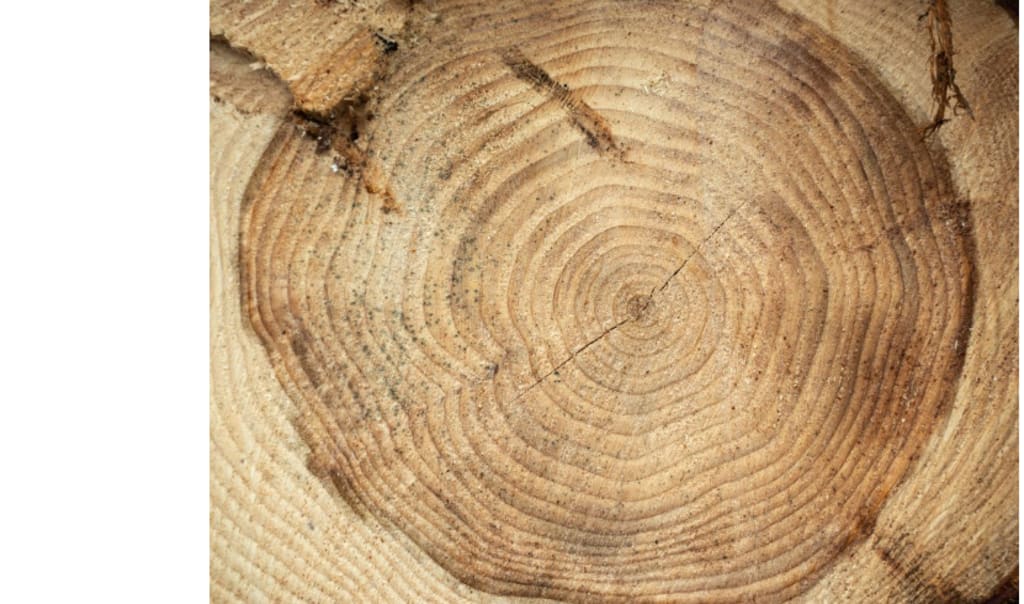
Eastern Spain's pine trees are a silent archive of weather history. Mountain pines used wood rings to record wet and dry years long before rain gauges and satellites were invented. Now, when scientists study those rings, they find a blatant warning.
In recent decades, the western Mediterranean has experienced more intense and frequent rainfall extremes than at any other time since the early 1500s. In a recent study, scientists used tree rings from black pine (Pinus nigra) and Scots pine (Pinus sylvestris) to analyse changes in rainfall over 520 years.
The principal author of the study, Marcos Marín-Martín, is a PhD candidate at the National Museum of Natural Sciences-Spanish National Research Council (MNCN-CSIC) at the Department of Geology.
Teams gathered samples from eastern Spain's high mountain regions, where rainfall has a significant impact on tree development. The findings indicate that rainfall patterns are becoming more unstable as a result of contemporary warming, with significant increases in both heavy rain and severe drought.
Records of natural rainfall
A pine tree adds one growth ring every year. Seasonal variations in water availability are reflected in ring width patterns. Wider rings are produced and faster growth is possible in wet conditions. Narrow rings are produced by dry conditions that restrict growth.
To connect ring growth with historical climate, scientists employ a discipline known as dendroclimatology. Spanish pine species have a long lifespan and exhibit distinct responses to variations in moisture.
In addition to rain in the summer, growth reacts to snow and rain in the fall and spring. When warmer seasons emerge, the water that was stored in the soil during the cooler months promotes early development.
Over generations, tree rings
By merging fresh samples with older data from earlier expeditions, researchers created a continuous rainfall record beginning in 1505.
To guarantee accurate calendar years, carefully cross-check matching ring patterns amongst trees. Strong agreement between sites was confirmed by statistical testing, indicating a common regional climate signal.
Why rainfall attention is important
Drought indices were the primary subject of many previous climate research. These indicators combine temperature and rainfall into a single figure.
Although helpful, indexes may conceal crucial information about rainfall. Clearer understanding of soil moisture, water availability, and flood danger is made possible by direct rainfall reconstruction.
Pine growth in eastern Spain is mostly controlled by rainfall from the late summer of one year to the early summer of the next year. Soil water is replenished by autumn rain and winter snow. Early wood development within trunks is supported by spring moisture. Growth later in the season is restricted by intense summer heat.
Strong correlations between precipitation and pine growth were confirmed by high-resolution rainfall records. Climate patterns were better reflected by local Spanish rainfall records than by crude worldwide statistics. Confidence in long-term repair outcomes was bolstered by such accuracy.
Shifting patterns of rainfall
Rainfall has never been consistent throughout the Mediterranean region. There have been dry and wet decades in previous ages. Farming communities used commerce, storage, and cultural customs to adjust to these changes.
Modern decades, however, exhibit a different trend. Extreme dry years and extreme wet years now seem to occur more frequently. Data from the late 20th and early 21st centuries indicates that the frequency of severe incidents has increased. Instead of being smoother, rainfall swings become more pronounced.
Rainfall volatility is revealed by pine
According to statistical research, there was little volatility during the middle of the nineteenth century. Variability increases steadily after the early 20th century. Volatility reaches levels not seen in the preceding five centuries around about 1975. These days, rare extremes happen far more frequently than long-term averages.
Just in the early 21st century, a number of abnormally dry and exceptionally wet years occur in a little period of time. Instead of steady trends towards wetter or drier circumstances, such clustering indicates a change towards erratic climate behaviour.
Heat, droughts, and storms
Slow-moving storms that draw moisture from warm waters frequently provide heavy rain in Mediterranean locations. Rainfall builds up rapidly and floods ensue when such systems stall over land. Stronger rainfall peaks in recent decades can be seen in tree ring data.
Rising air temperatures also make dry spells more intense. Heat causes more soil and plant evaporation. In hotter weather, even moderate rainfall is insufficient to counteract moisture loss. Rivers, reservoirs, and forests are under stress during protracted dry times.
Ecosystems acclimated to consistent seasonal cycles are stressed by combined influences. Pine woods are sensitive to both abrupt saturation and water scarcity.
Evidence from historical documents
Tree-based discoveries are strengthened by historical written documents. For centuries, Spanish towns held religious rituals in which they prayed for assistance from floods or rain during dry spells.
Records of these occurrences correspond to the dry and wet phases of pine growth seen during a number of historical eras. During the late eighteenth and early nineteenth centuries, when climate instability was prevalent throughout Europe, there is strong consensus.
Trees and historical narratives both suggest that there was common environmental stress at these times.
Getting ready for extremes
Results from Spanish pine forests have important ramifications. Frequent extremes may cause water systems built on recent averages to fail.
Urban development, forestry, and farming must be ready for extended droughts and unexpected floods that happen more frequently. Pine trees are unable to forecast the weather. Growth rings continue to be a potent warning.
Today's climate surpasses the boundaries that shaped Mediterranean societies for ages. It is now crucial to prepare for deeper droughts, more powerful storms, and increased unpredictability.
About the Creator
Keep reading
More stories from Francis Dami and writers in Earth and other communities.
Nitrogen is necessary for young tropical rain forests to combat climate change.
By absorbing carbon dioxide from the atmosphere and storing it in wood, tropical rainforests contribute to the slowing of climate change. Forests that develop quickly are even more important because they absorb carbon more quickly.
By Francis Dami13 days ago in Earth
“What They’re Doing Is the Worst of Humanity”: Sundance Festival Stars Back Anti-ICE Protest
A Protest That Echoed Beyond the Screen The Sundance Film Festival has long been known as a platform for independent cinema, bold storytelling, and social commentary. This year, however, the conversation moved beyond film premieres and panel discussions as prominent festival stars publicly backed an anti-ICE protest, delivering some of the most forceful political statements seen at Sundance in recent years.
By Aarif Lasharia day ago in Earth
🅼🅸🅳🅽🅸🅶🅷🆃 🆂🅽🅰🅲🅺🆂
"It's 10 in Tuscon! We all know what that means... It's Time for Midnight Snacks with your man, Gerald Gee! Ready to spend the night together? Me too! I'm full of snacks and can't wait to regurgitate them all back into your hungry ears. Crack a brew! Pop some corn! Anything to get ready for one hell of a show where the talk maybe cheap but the words cut deep...
By Lamar Wiggins6 days ago in Fiction



Comments
There are no comments for this story
Be the first to respond and start the conversation.