
American Animals Nebraska and New Hampshire
The wildlife of the US states of Nebraska and New Hampshire


Nebraska Wildlife
The US state of Nebraska has a varied landscape with prairie, grasslands, forests, and wetlands. Making their home in the state are 80 species of mammals, 63 species of reptiles and amphibians, and over 400 species of birds. 22 types of fish are native to the state.
Official State Bird
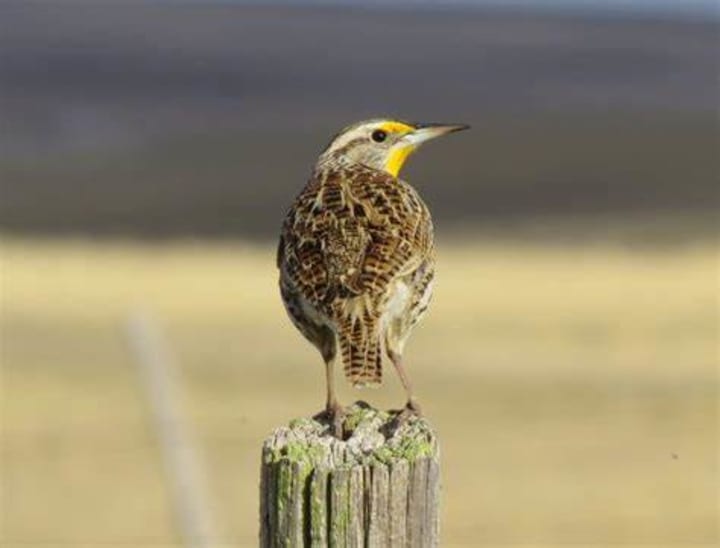
Western Meadowlark
Official State Mammal
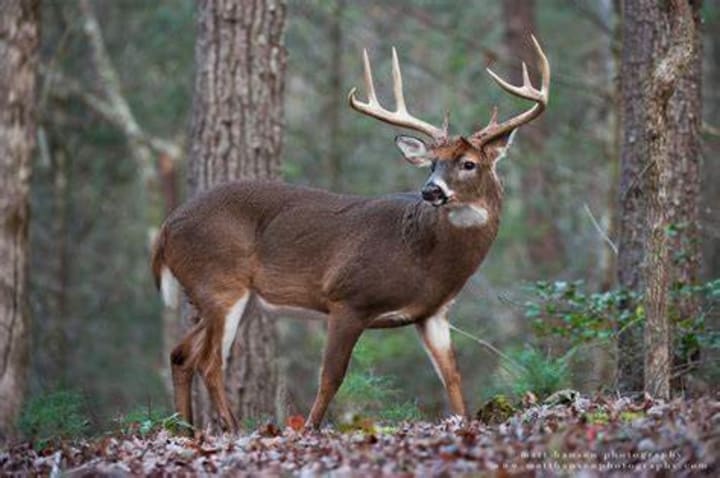
White-Tailed Deer
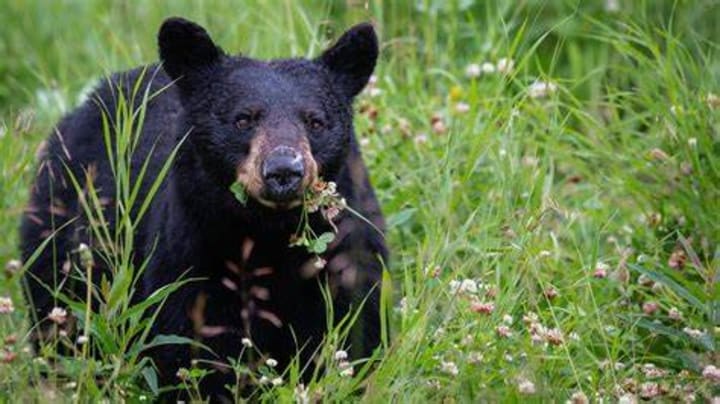
The state’s native carnivores include coyotes, gray wolves, foxes, black bears, brown bears, lynx, cougars, ferrets, and skunks.
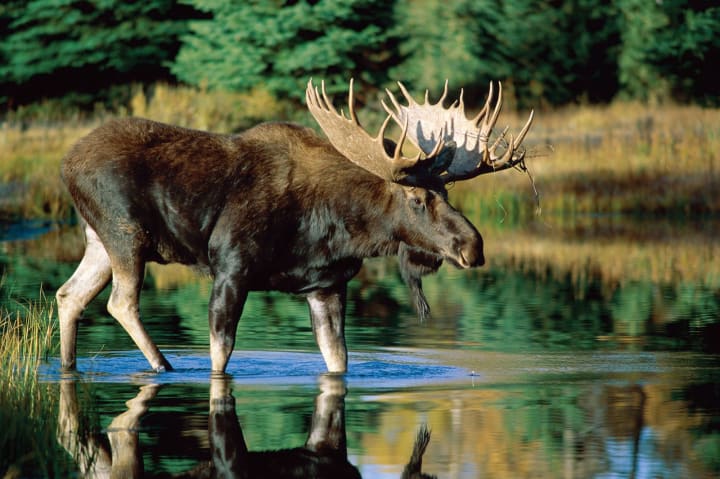
Moose, elk, white-tailed deer, mule deer, bison, bighorn sheep, and pronghorn roam the prairie and others.
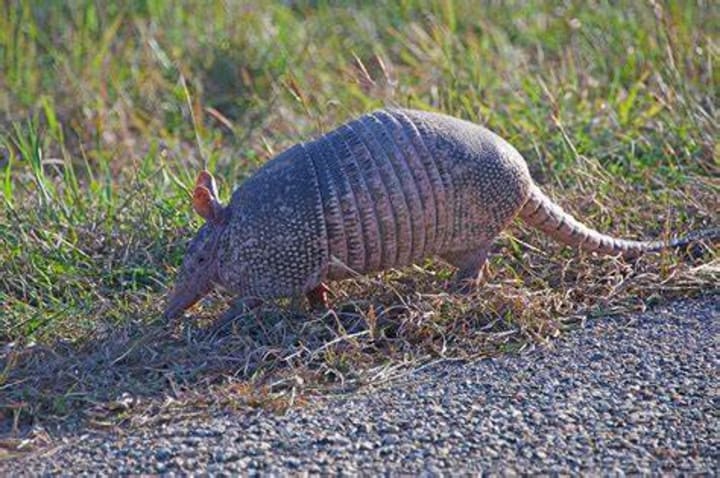
Nebraska has some strange animals like the armored nine-banded armadillo which is one of the most unique kinds of animals in the US.
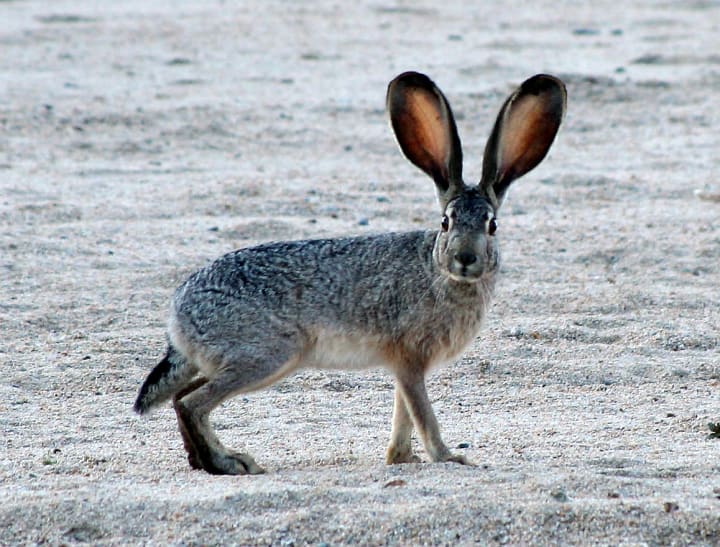
Other unusual mammals include the black-tailed jackrabbit and white-tailed jackrabbit, both with oversized ears towering above their heads. The black-tailed jackrabbit’s ears are especially large.
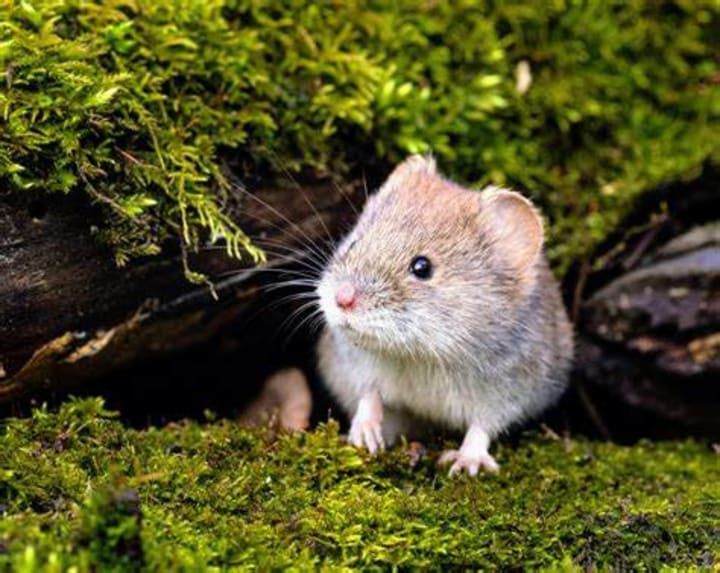
Rodents in Nebraska include the prairie vole, meadow vole, and woodland vole. One flying rodent the Southern flying squirrel.
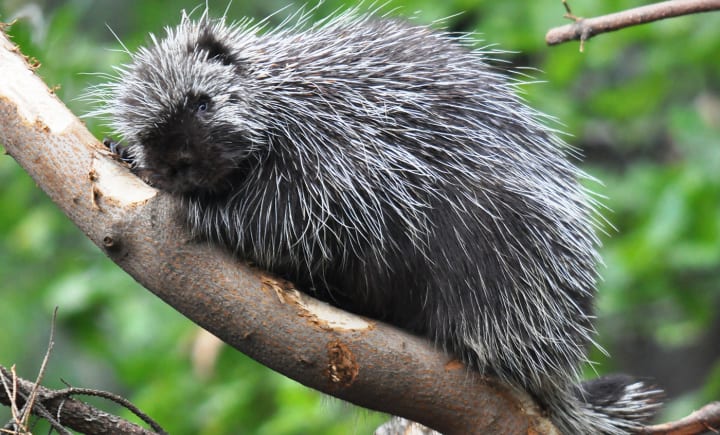
The North American porcupine is the second-largest rodent in the US.
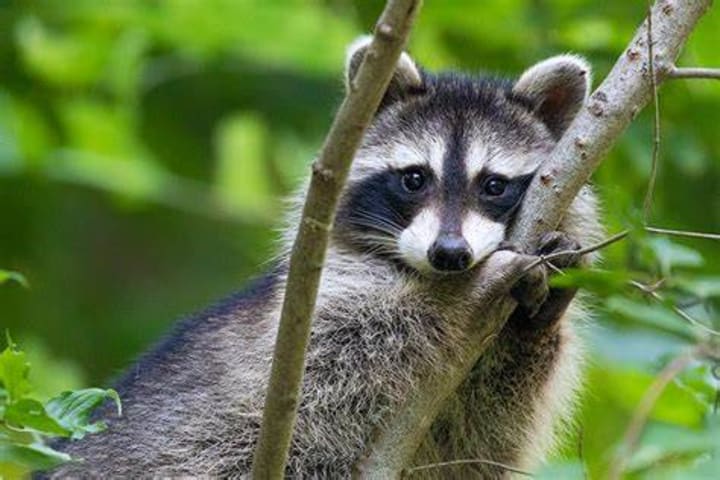
Among the common mammals are squirrels, raccoons, and deer.
Endangered Species in Nebraska
Western Massasauga, the smallest rattlesnake in the state and a threatened species
Blacknose shiner, a threatened minnow
Northern redbelly dace, a tiny threatened fish in the state
Eskimo curlew, a brown migratory bird believed to be extinct since 1963 but on the endangered list since 1967
Black-footed ferret, an endangered member of the carnivorous mustelid family
Gray wolf, delisted from the federal endangered species list but still almost non-existent in Nebraska
Northern long-eared bat, a federally-listed endangered species also endangered in Nebraska
Swift fox, a threatened species hunted by coyotes in the state
Pop Goes the Wease
The one thing that the US state of New Hampshire has a lot of is weasels. Weasels include ermine or short-tailed weasels, long-tailed weasels, pine martins, minks, fishers, and river otters. Two of the species the long-tailed weasel and the ermine seem to disappear in the winter because they turn white as snow.
Ermines
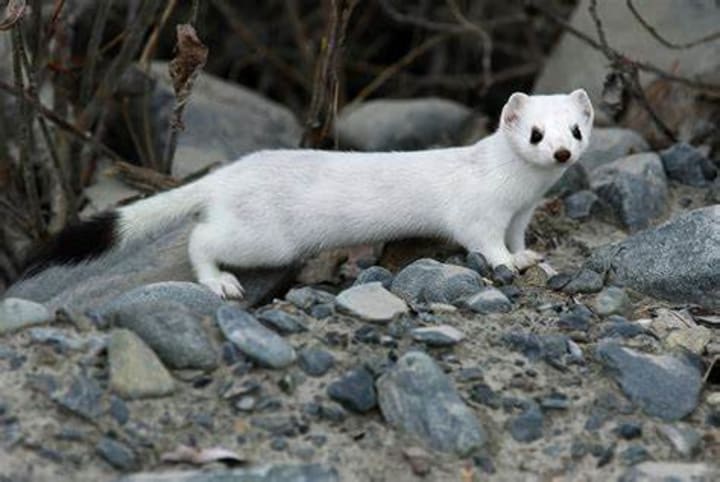
Ermines begin the winter white as snow. They live in the farther northern parts of North America. You can find them from northern California to the Rockies, east of northern Pennsylvania, and all of New Hampshire. They are covered with fur from head to toe even the bottoms of their feet, in the winter. Only the very tips of their tails remain black in wintertime. Male ermines are larger than females. Their diet consists of small mammals such as mice, voles, and shrews. There have been reports of ermines invading old colonial houses in the wintertime most likely to catch the mice that scamper there.
Long-Tailed Weasels
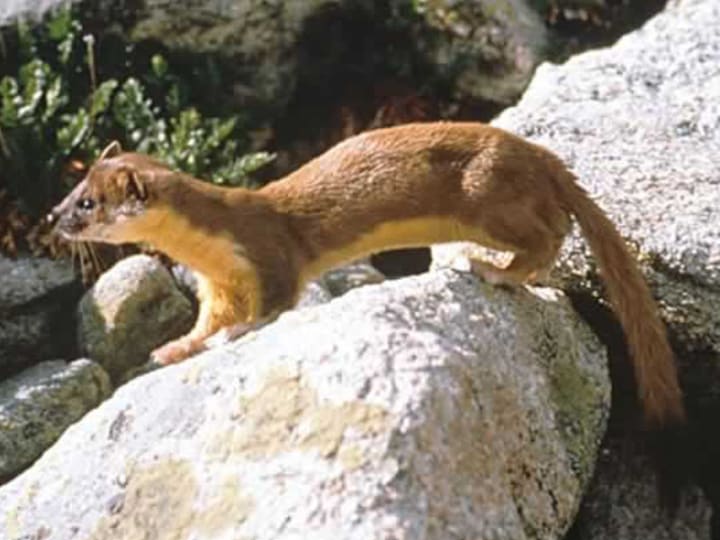
The long-tailed weasel is only a bit larger than the ermine. These weasels also turn pure white in the winter leaving the tips of their tails black. Long-tailed weasels can be found all around the world and are one of the most widely distributed mammals known. They make their homes from the Arctic to the tropics. Their diet consists of small mammals.
Pine Martens
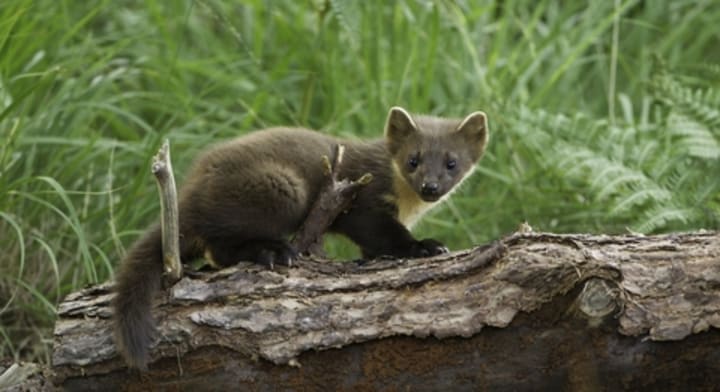
The Pine Marten is the larger cousin of the long-tailed weasel and twice as long. These animals are on the state's endangered species list. You can find a small but growing population in northern Coos County. Pine Martens are golden brown with a distinctive yellow patch at the chin. They prefer to make their homes in the spruce-fir thickets of the Great North Woods. They prefer small prey mammals like voles but also eat nuts and fruit.
Minks
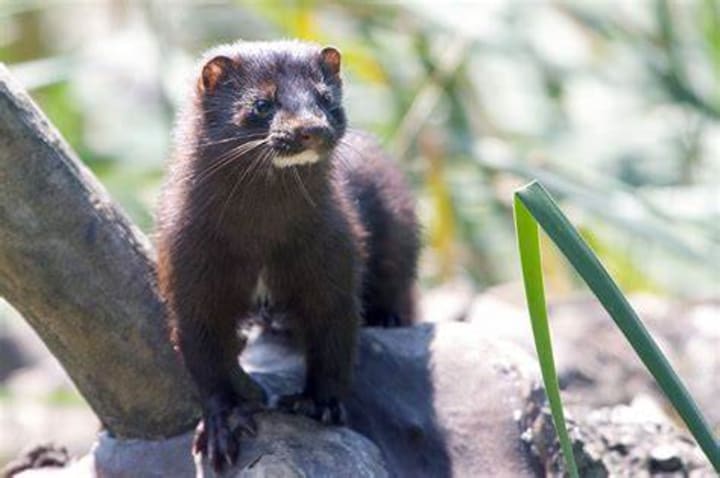
Mink live near streams, rivers, or ponds, They have dark chestnut-brown fur with a patch of white at the chin. They are similar to the size of the marten. Mink are semi-aquatic mammals and their typical home is nearly a mile of a river corridor. Their diet consists of fish, frogs, and crayfish. Mink can be found all over North America except the desert southwest. They are very common in New Hampshire but can rarely be seen.
Fishers
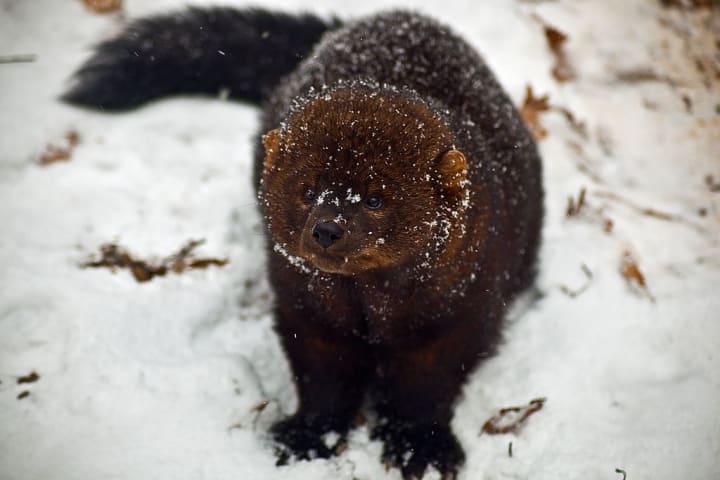
Fisher are also referred to as "fishercats" in New Hampshire. They're the most common land predators in the state. Fishers get blamed for dozens of missing cats each year. Cat owners in the state have to be careful and keep their cats inside, especially at night. Fishers will also hunt down other kinds of prey. They are larger than martens. They are carnivorous and will eat mice, moles, voles, shrews, squirrels, muskrats, woodchucks, snowshoe hares, and at times even fawn, They have been known to also add to their diet birds, reptiles, amphibians, and insects.
River Otters
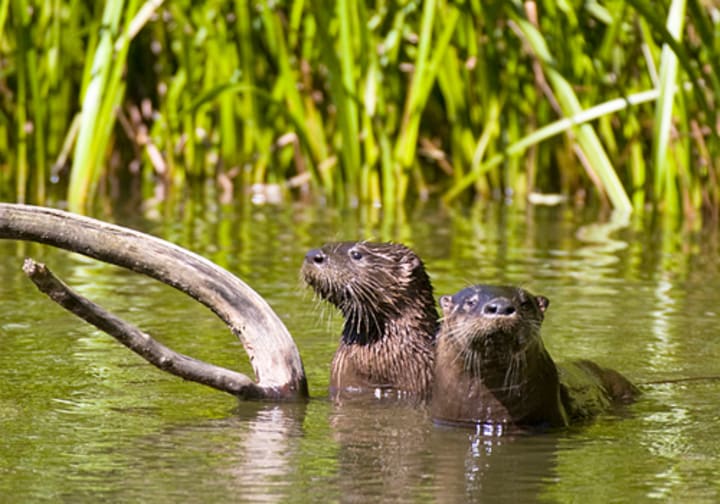
The River Otter is the biggest of the weasels in New Hampshire. They have dark chocolate brown fur. Their diet consists of fish and crayfish. They make their home along rivers. In the winter they will dive into icy water to catch prey such as turtles. At times they might get scared away from a fish feast by an adult bald eagle. They range over all of North America but due to pollution, they have diminished in numbers.
To keep the wesel population growing and happy in New Hampshire wooded areas and waterways must be preserved.
Other New Hampshire Animals
Official Animal
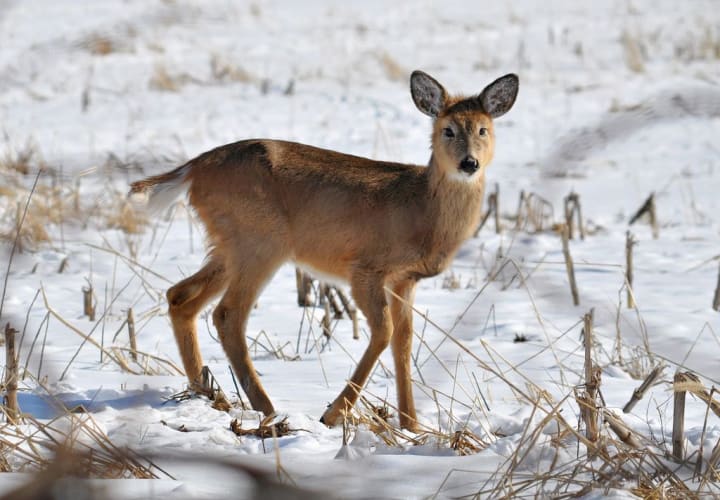
White-tail deer
Official Bird
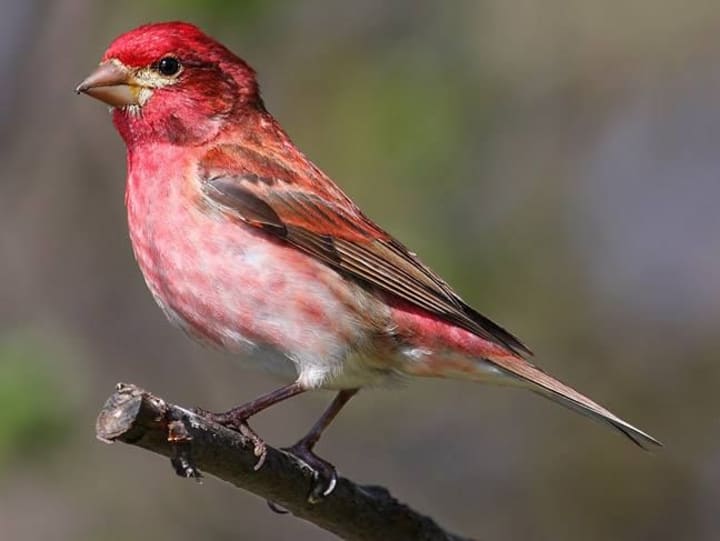
Purple finch
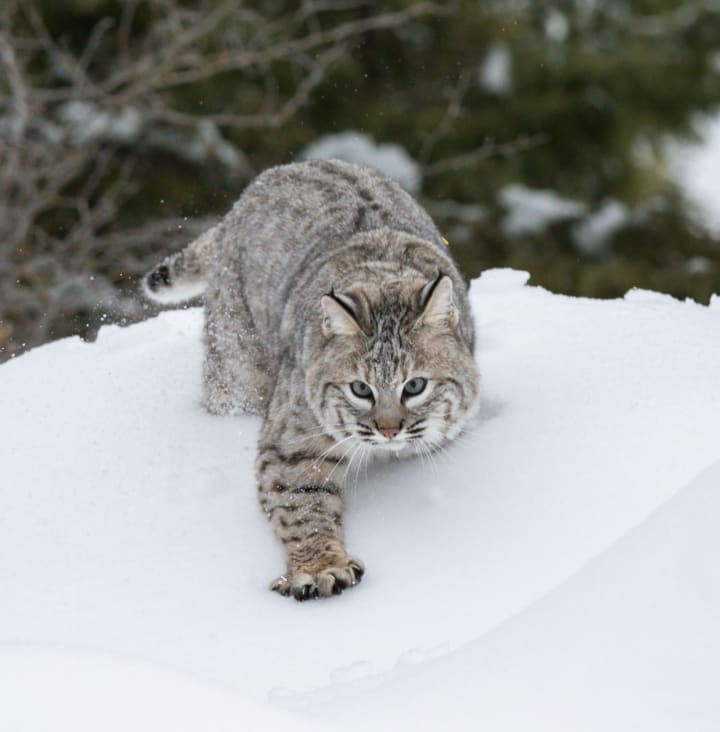
In the hills and forests, you can see coyotes, bobcats, red and grey foxes, and wolves.
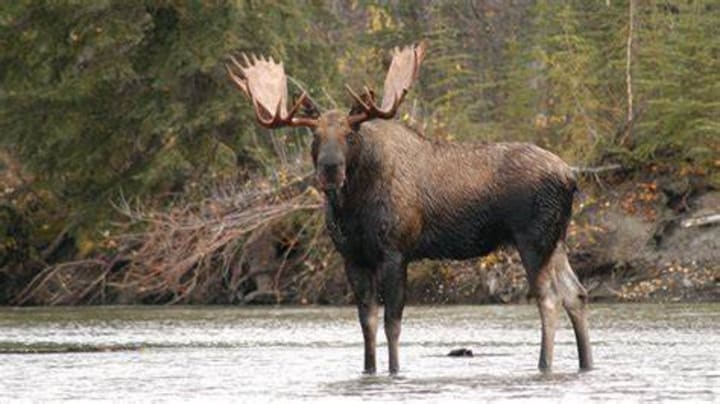
The forests are home to moose and bears.
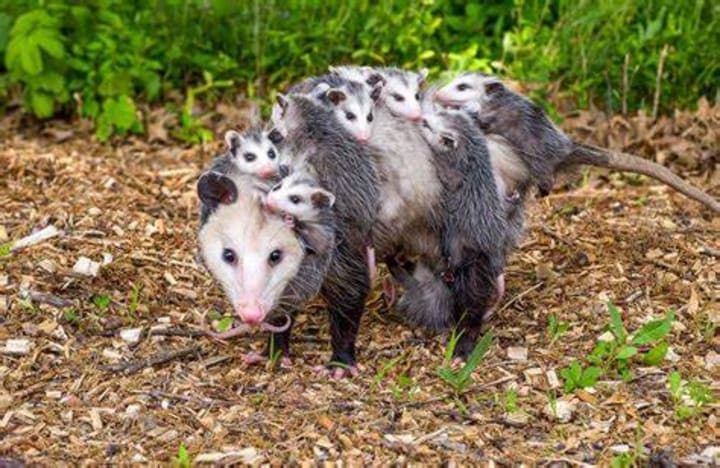
Smaller creatures included raccoons, opossums, and skunks.
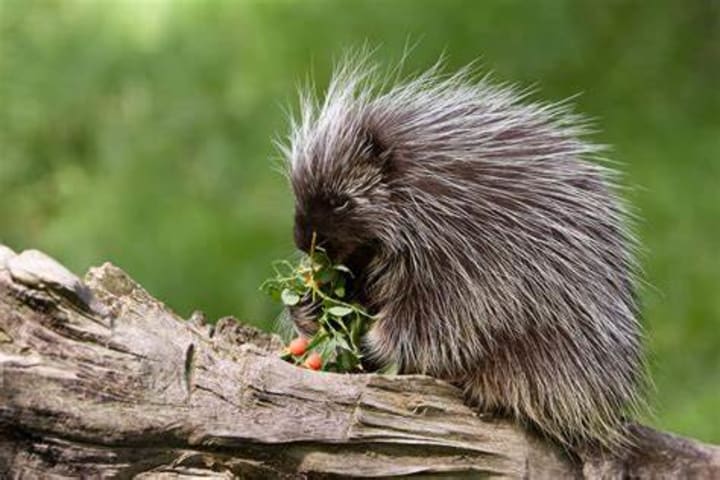
There are porcupines and Southern flying squirrels.
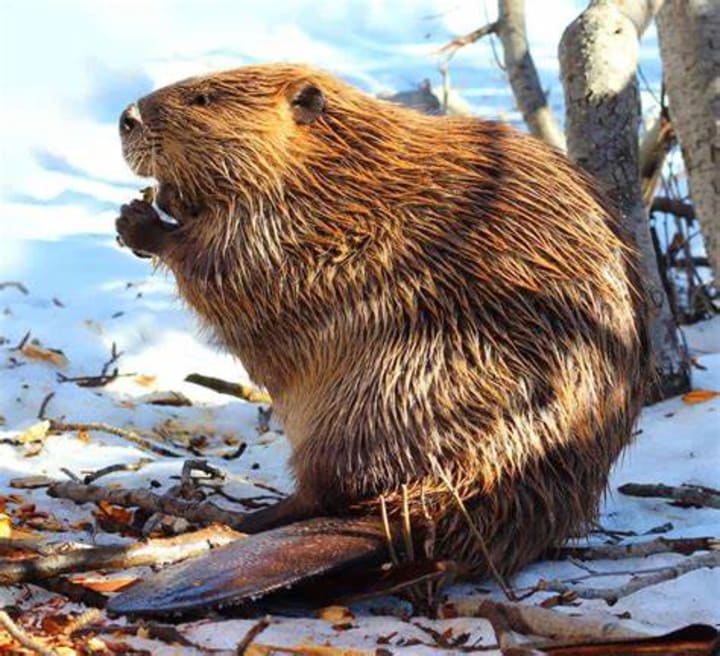
Around the lakes, you can see river otters, muskrats, weasels, and beavers.
Birds
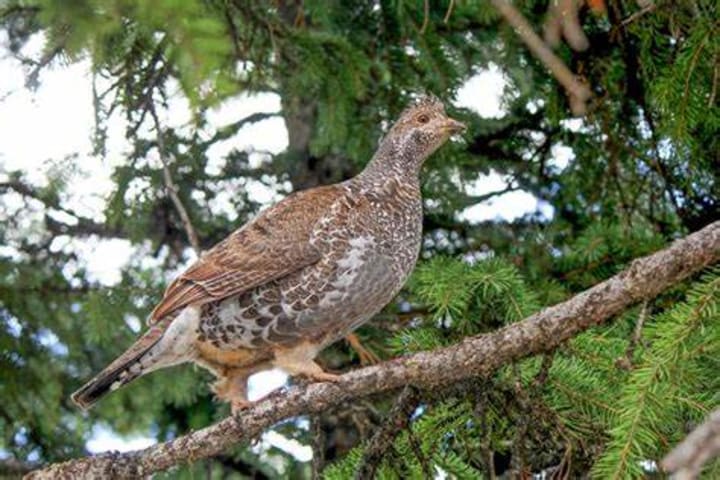
Among the birds seen in New Hampshire are ruffed grouses and pheasants.
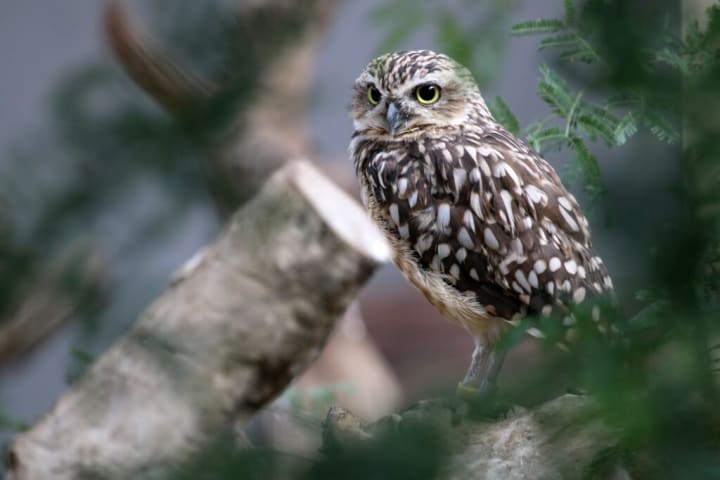
There are golden eagles and owls.
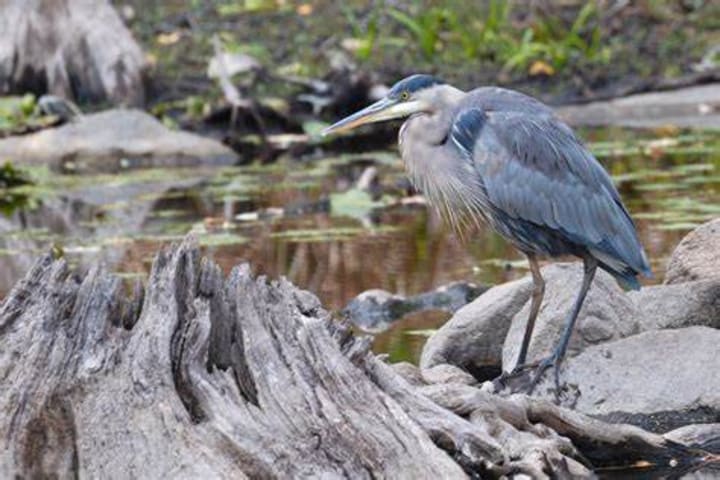
Along the shorelines, you can see snowy egrets, loons, mallards, and great blue herons.
About the Creator
Rasma Raisters
My passions are writing and creating poetry. I write for several sites online and have four themed blogs on Wordpress. Please follow me on Twitter.
Keep reading
More stories from Rasma Raisters and writers in Earth and other communities.
American Animals Montana and Nevada
Wildlife of Montana The US state of Montana is located north of Wyoming and just below the southern border of Canada. The state is sparsely populated and has a lot of native wildlife, including the rarest mammal in North America, the black-footed ferret. There are more than 100 other species of mammals and some 440 different bird species. You can also find dozens of reptile and amphibian species and lots of wild game animals.
By Rasma Raistersabout a year ago in Earth
Red Ice Part 1
Northern Greenland, 1831 Anak finished loading the last of his equipment into his dog sled. All of his dogs were barking loudly with excitement. They knew what time it was, they knew what was about to happen. It's the middle of March and ice covers the entire region. Around this time of year, Anak and the other hunters head out for their seasonal walrus hunt. He checked his sled one final time to ensure he had everything they needed. Then he went to check on the other hunters to see of they were ready.
By Stonecreek7 days ago in Earth


Comments (4)
Great article, featuring so many wonderful animals. Well done.
Thans for the nature treatise, will like to have one as pets with my cats
Nice article
Now I want a pet ermine! Such a diversity of wildlife there.