
American Animals Minnesota
Wildlife of the US state of Minnesota


The US state of Minnesota is known as "the land of a thousand lakes." The state has a continental climate so it is warm in the summer and bitterly cold in the winter, The wild animals make their homes here in the prairies to the west and south, the Big Woods in the southeast, and the huge stretches of mixed forest in the north. With all the lakes in the state, waterfowl have many places to call home.
Official State Bird
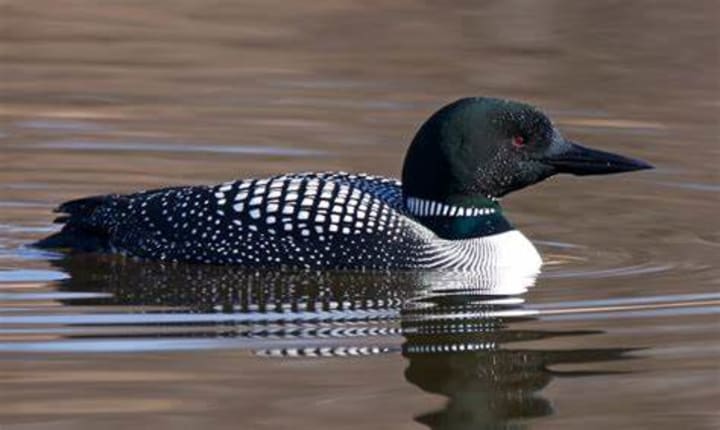
Common Loon
State Butterfly
Monarch
State Reptile
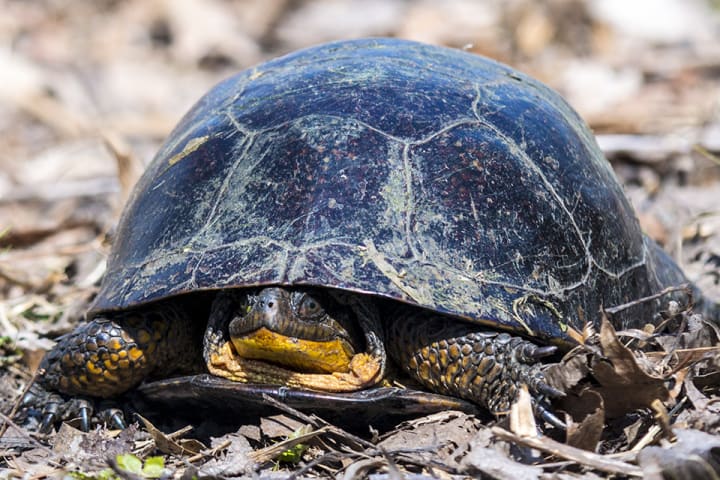
Blanding's Turtle
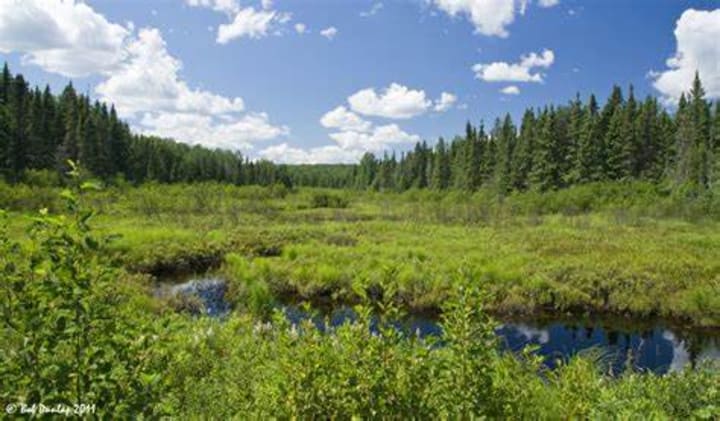
The areas where you can see the most wild animals in Minnesota are the Chippewa National Forest and the Boundary Waters Canoe Area located in the Superior National Forest. Many birds can be seen since the state is under the Mississippi Flyway and migratory birds fly overhead during spring and winter.
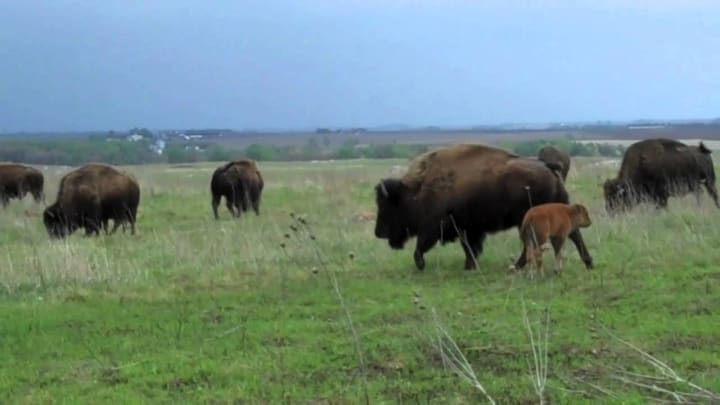
The Blue Mounds State Park is home to a herd of bison.
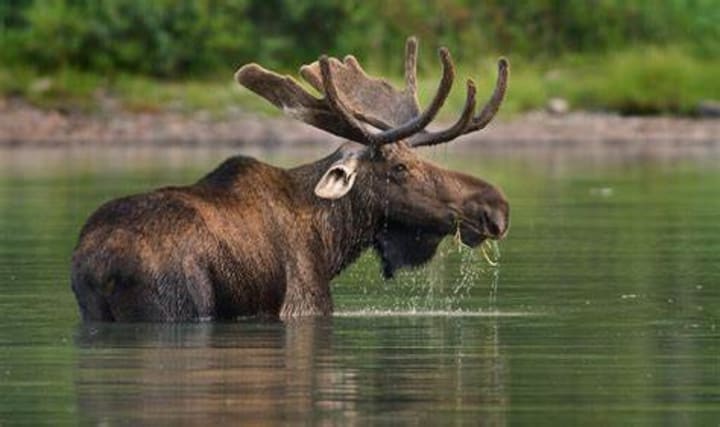
Some of the large mammals in the state include moose, elk, white-tailed deer, and Pronghorn antelope.
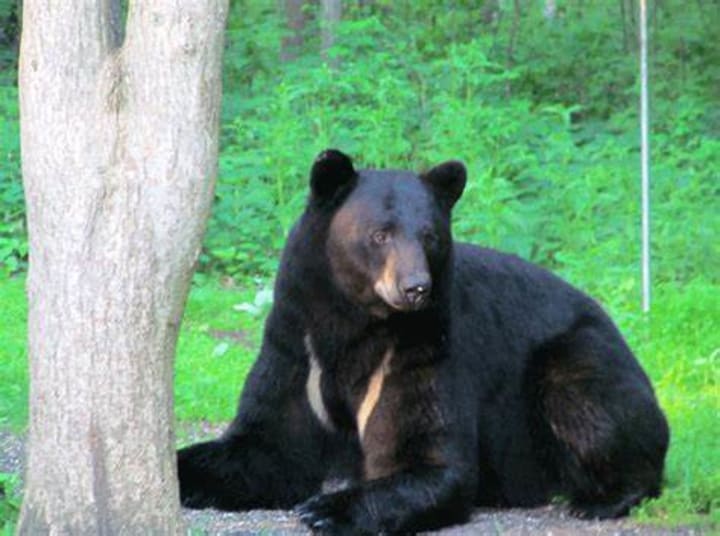
Predators here are the black bear, the gray and timber wolf, the gray and red fox, the coyote, and the bobcat.
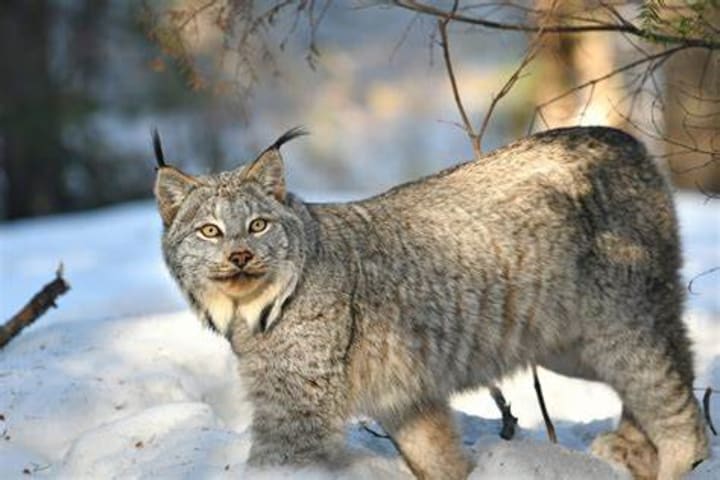
Sometimes passing through the state you can find the Canadian lynx, the cougar, and the swift fox.
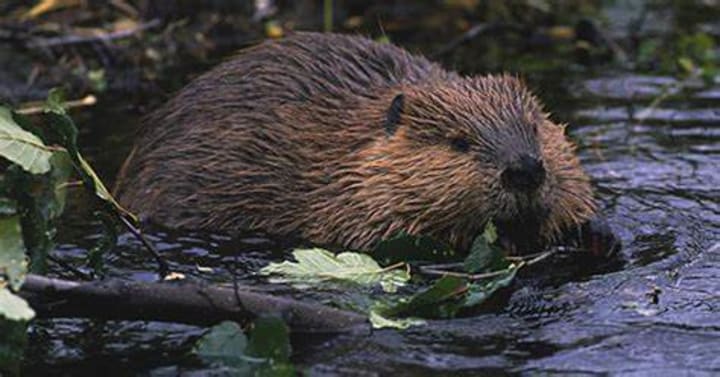
Among the rodents living in Minnesota are the northern and southern flying squirrels, chipmunks, ground squirrels, western gray and American red squirrels, beavers, muskrats, woodchucks, and pocket gophers.
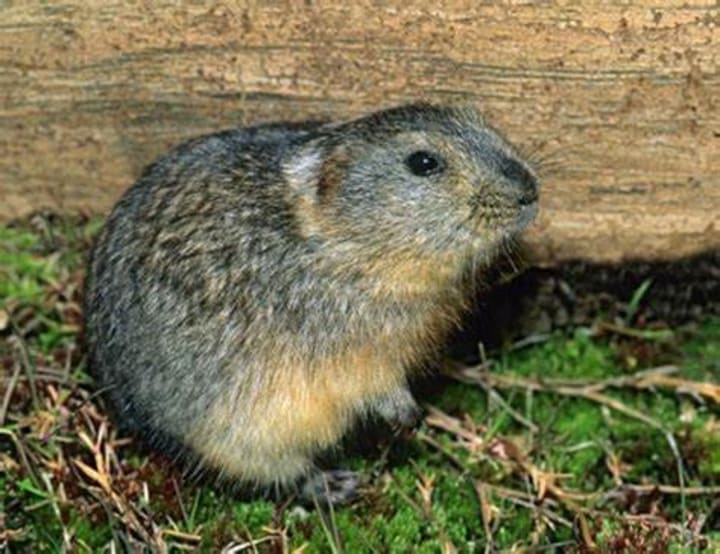
There are plenty of mice species as well as voles and the southern and northern bog lemming.
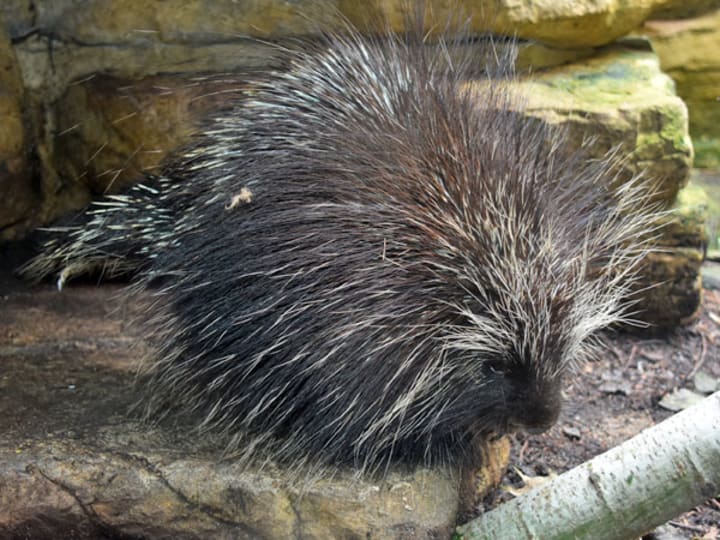
The North American porcupine, the third largest of the rodents behind the beaver and capybara, makes its home in the state forests.
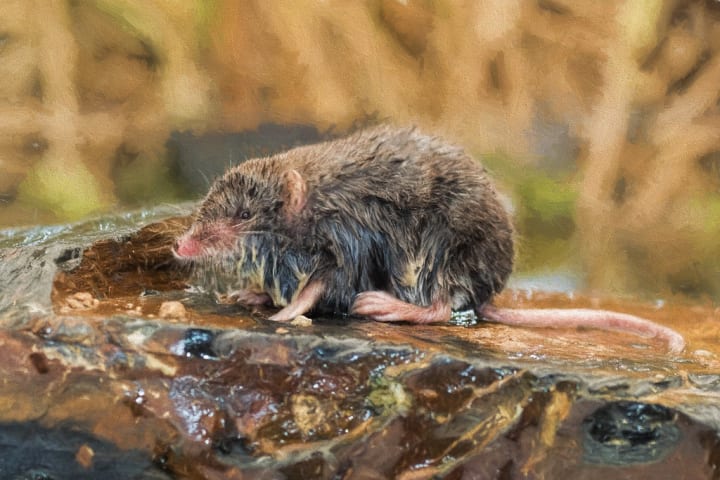
There are rodent-like animals known as shrews and include the American water shrew, the Arctic shrew, and the masked shrew.
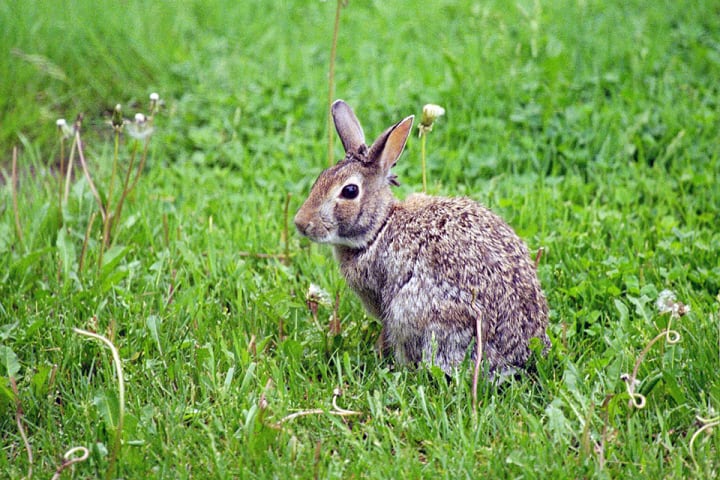
Also in the state are the eastern cottontail rabbit and the snowshoe hare.
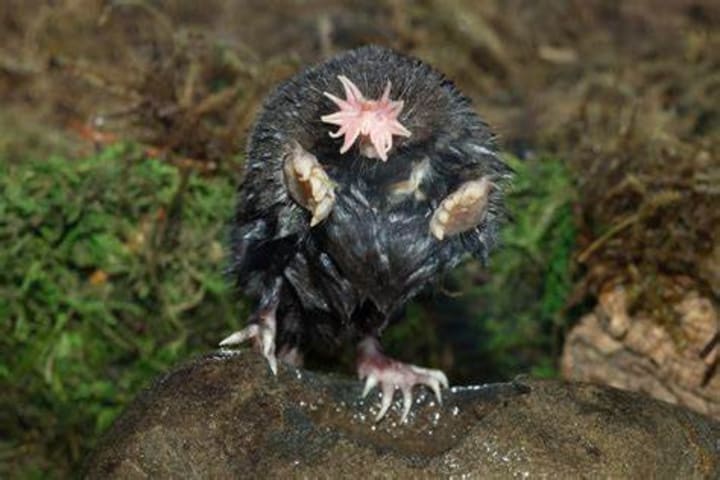
Moles burrow underground like the odd-looking star-nosed mole.
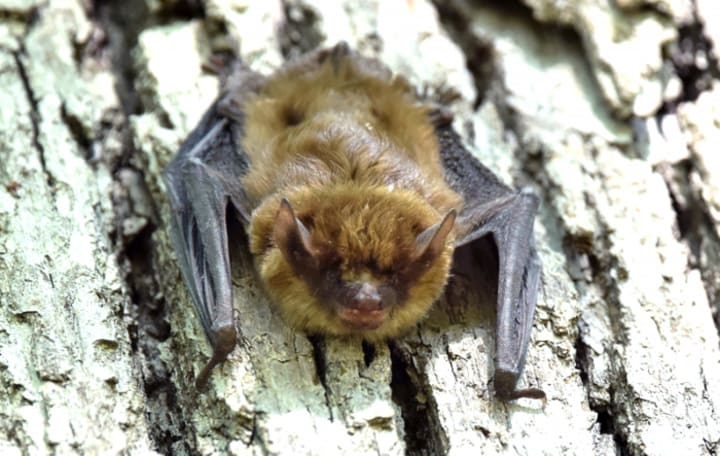
Among the bats in the state are the little brown bat and the eastern pipistrelle.
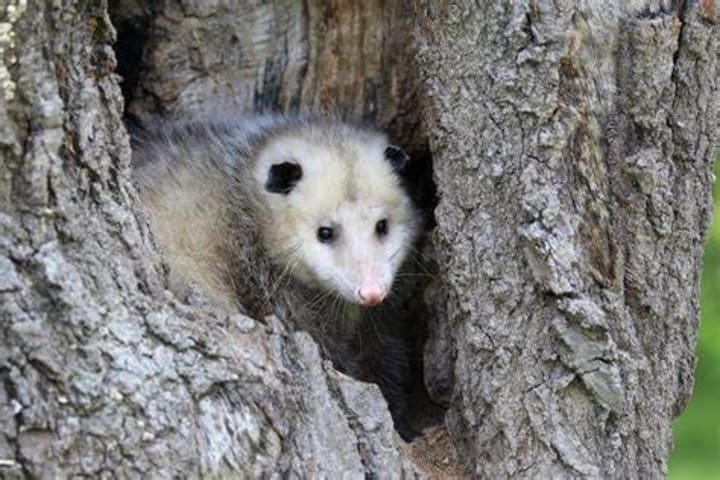
Other small mammals include skunks, raccoons, and opossums.
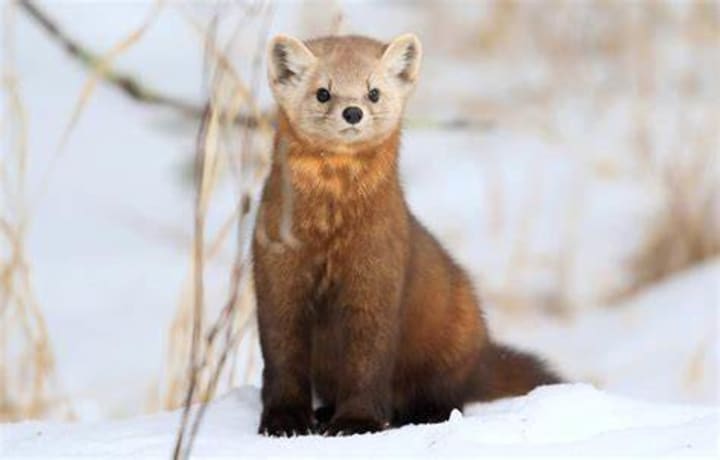
The state is also home to mustelids that are hard to find in more southern states like the American marten and the fisher.
Birds
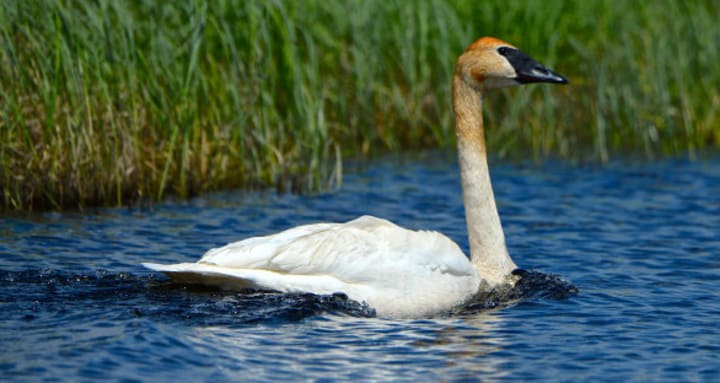
With the state having plenty of bodies of water there is plenty of waterfowl such as swans, ducks, and geese, including the mallard duck, the northern pintail duck, the greater scaup, the tundra swan, and the trumpeter swan.
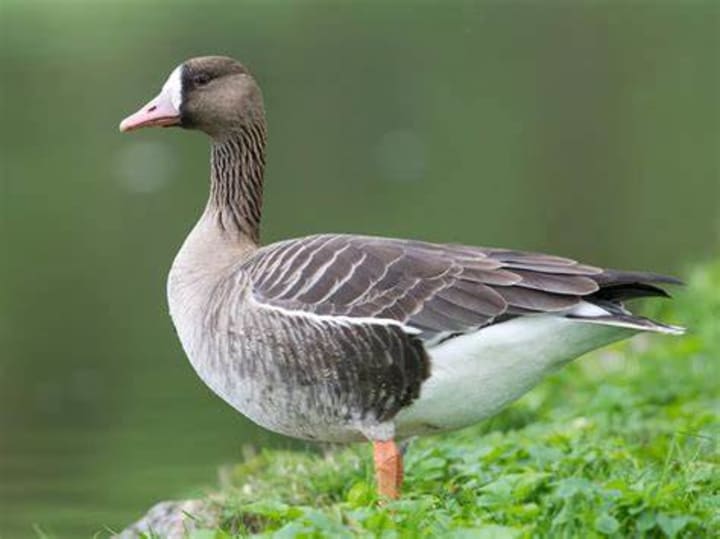
You can also see the snow goose, the greater white-fronted goose, and the cackling goose.
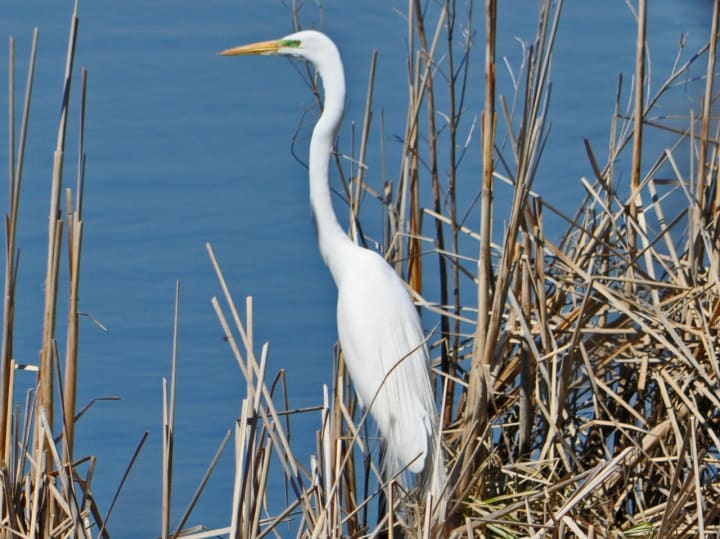
Among shorebirds are the marbled godwit, the Eskimo curlew, dunlins, sanderlings, the pectoral sandpiper, and the ruff. Other birds along bodies of water are pelicans, bitterns, herons, egrets, night herons, and the white-faced ibis.
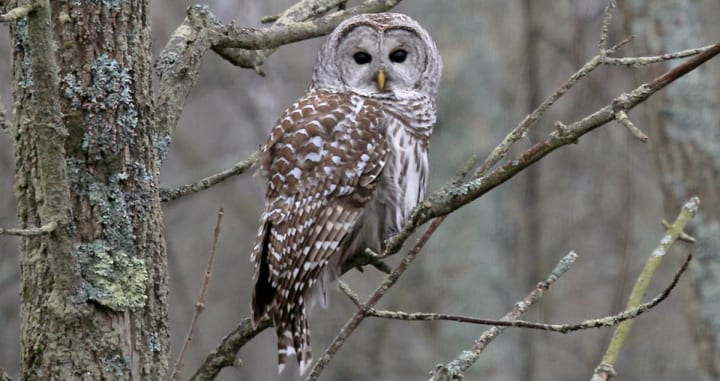
Birds of prey include the turkey vulture, the osprey, the golden and the bald eagle, harriers, falcons, merlins, kestrels, hawks, and owls.
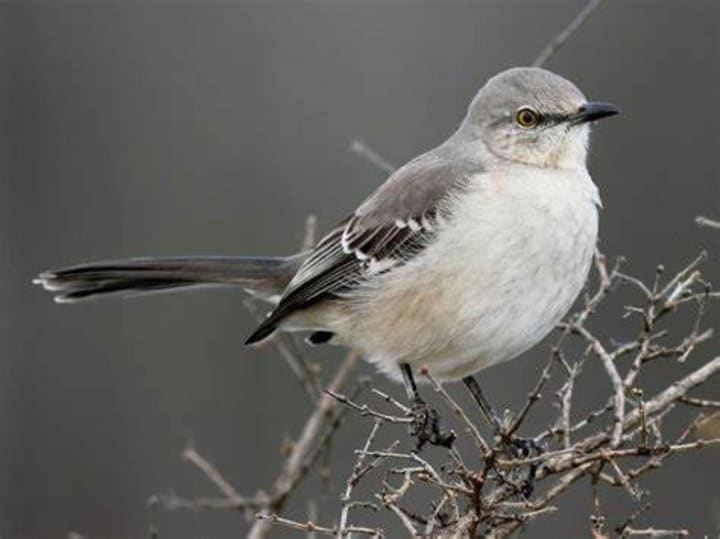
The Northern mockingbird can mimic the songs of other birds as well as alarm clocks.
Fish
In all of the lakes, streams, rivers, ponds, and marshes fish are abundant. There are different species of trout and salmon and a fish known as the bloater lives in Lake Superior.
Reptiles and Amphibians
Minnesota has about 29 species of reptiles with most of them being snakes.
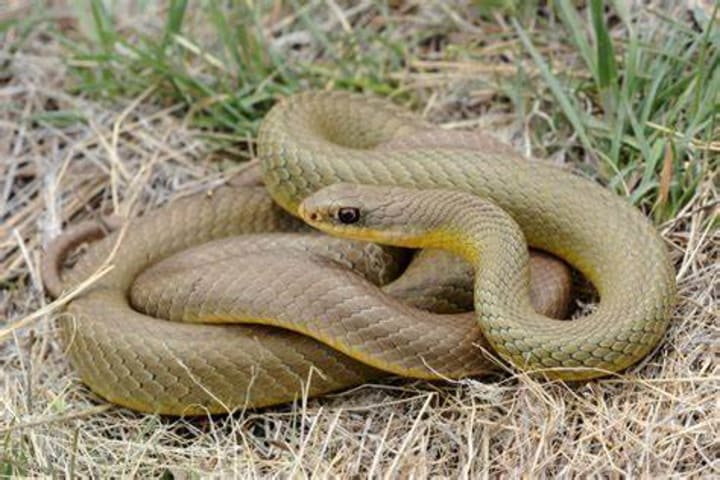
Snakes living in the state include the eastern yellowbelly racer, rat snakes, ringneck snakes, and two species of hognose snake.
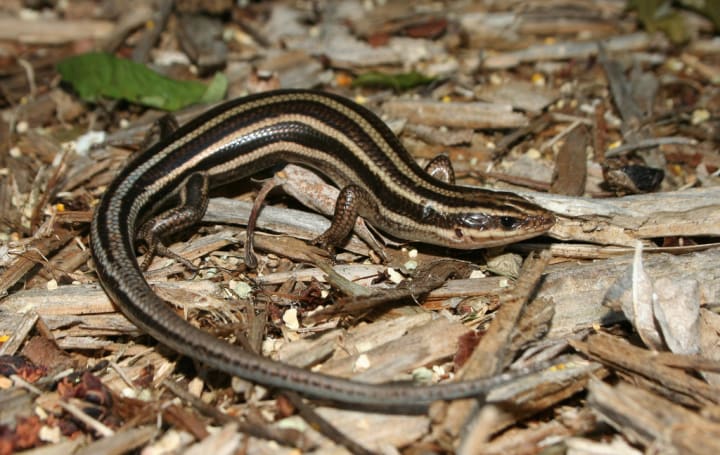
Lizards are the prairie, five-lined skink, and the six-lined racerunner.
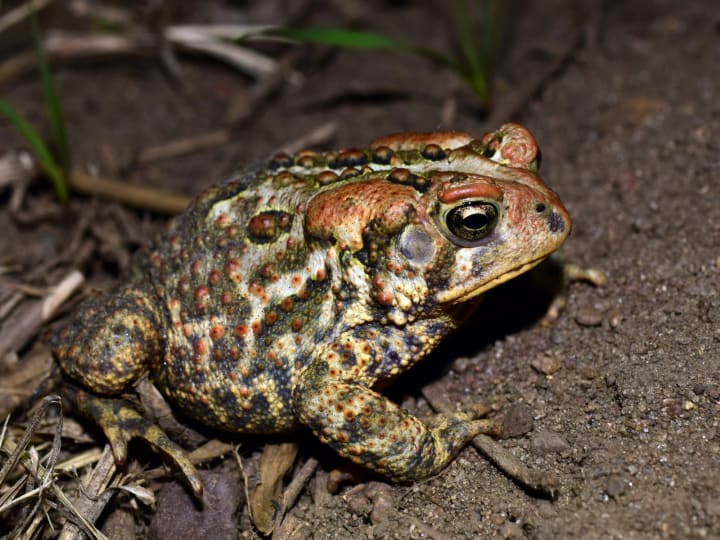
Cope’s gray tree frog, the spring peeper, and Blanchard’s cricket frog. The three toad species are the American toad, the Great Plains toad, and the Canadian toad.
Endangered Animals
Crystal darter. This little fish is considered the rarest of the darters that swim in Minnesota waters.
Sprague’s pipit. This bird, whose status is vulnerable overall, is notable because it sings while it flies high in the sky.
Northern myotis. This little bat is considered near threatened due to a disease called white-nose syndrome. This is a type of fungus that has killed millions of bats since 2018.
Massasauga. Though this isn’t the rarest of rattlesnakes, it is still considered endangered in Minnesota.
https://shopping-feedback.today/earth/animals-in-america-alabama-and-alaska?utm
https://shopping-feedback.today/earth/american-animals-arizona-and-arkansas
https://shopping-feedback.today/earth/american-animals-california-colorado-connecticut-t89q0dsj
https://shopping-feedback.today/earth/american-animals-delaware-and-florida
https://shopping-feedback.today/earth/american-animals-georgia-hawaii-idaho?utm
https://shopping-feedback.today/earth/american-animals-illinois-and-indiana
https://shopping-feedback.today/earth/american-animals-iowa-and-kansas?utm
https://shopping-feedback.today/earth/american-animals-kentucky-and-louisiana?utm
https://shopping-feedback.today/earth/american-animals-maine-and-maryland?utm
https://shopping-feedback.today/earth/american-animals-massachusetts-and-michigan?utm
About the Creator
Rasma Raisters
My passions are writing and creating poetry. I write for several sites online and have four themed blogs on Wordpress. Please follow me on Twitter.
Keep reading
More stories from Rasma Raisters and writers in Earth and other communities.
Nvidia CEO Says AI Will Create Jobs for Electricians and Plumbers
For years, artificial intelligence has been associated with job loss fears. From factory automation to office software, the dominant narrative has suggested that AI will replace human workers across industries. But according to Nvidia CEO Jensen Huang, the AI revolution tells a more complex—and surprisingly optimistic—story.
By Muhammad Hassan4 days ago in Earth
Biodegradable Plastic Market Size and Forecast 2025–2033: The Future of Sustainable Materials Takes Shape
Introduction: A Turning Point for the Global Plastics Industry The global plastics industry is undergoing one of the most significant transformations in its history. As environmental concerns reach critical levels, biodegradable plastics are emerging as a viable and scalable solution to the world’s plastic pollution crisis. Governments, corporations, and consumers are aligning around sustainability goals, accelerating the adoption of materials that can safely return to nature.
By Marthan Sir6 days ago in Earth


Comments
There are no comments for this story
Be the first to respond and start the conversation.