
America Was Right About Wind Turbines: The “Dark Side” No One Wanted to Discuss, and Drones Begin to Move In
The Clean Energy Dream—and the Hard Truth
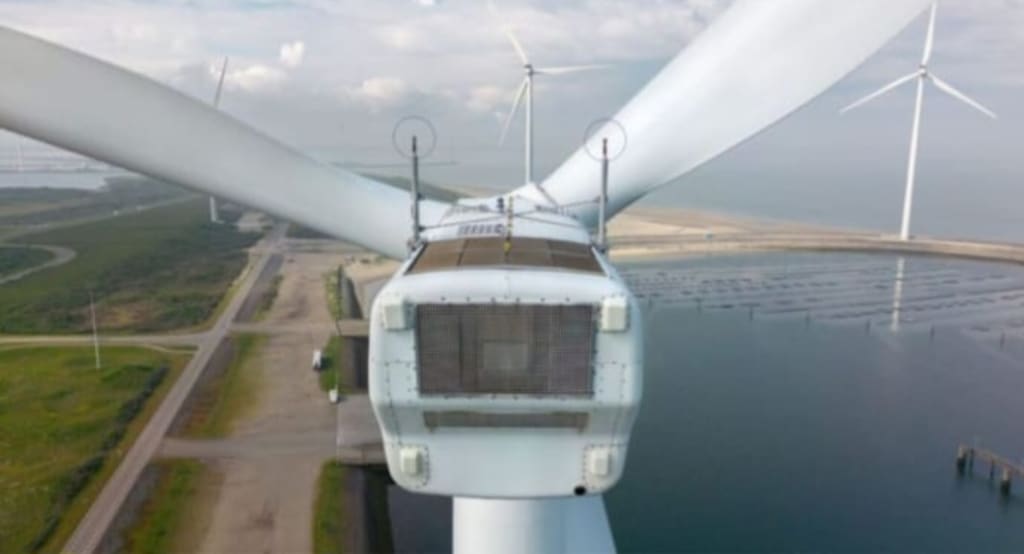
For decades, wind energy has been celebrated as a hero of renewable power—a symbol of a future free from fossil fuels. Towering wind turbines cutting through the sky are iconic images of progress and sustainability.
But behind the sleek blades and the promise of clean electricity lies a less-discussed reality. Wind energy, while essential for reducing carbon emissions, comes with challenges that rarely make the headlines. From ecological impacts to operational difficulties, there’s a “dark side” that demands attention.
Wildlife at Risk
One of the most pressing concerns is the impact on wildlife. Birds and bats are particularly vulnerable to collisions with turbine blades. Large-scale wind farms near migratory routes or sensitive habitats can disrupt ecosystems, sometimes severely.
While turbines are far from the only man-made structures affecting wildlife, the visibility and scale of wind farms have amplified concerns. Conservationists argue that planning and siting must be strategic to reduce harm to these populations.
Local Communities and Visual Concerns
The footprint of wind farms is another issue. Turbines require land, roads, substations, and transmission lines. In rural and scenic areas, residents often report disruptions—from the noise of spinning blades to shadow flicker effects that can impact daily life.
These issues are not necessarily deal-breakers, but they illustrate the complexities of renewable energy deployment. Too often, the narrative focuses only on the benefits, leaving communities feeling unheard.
Maintenance Challenges
Wind turbines are massive machines exposed to extreme weather, temperature swings, lightning strikes, and corrosion. Keeping them operational is costly and risky.
Traditionally, inspection and maintenance have required humans to climb towers or use cranes and helicopters. These methods are expensive, dangerous, and logistically challenging. Maintenance costs and operational downtime are factors that, when overlooked, give an incomplete picture of the wind energy equation.
Economic Tradeoffs
While the levelized cost of energy from wind is competitive, hidden costs like maintenance, grid integration, and intermittency can affect financial feasibility. Simplifying the narrative to “wind energy is cheap and clean” ignores these complexities. Honest conversations about tradeoffs are necessary for long-term success.
The Role of Drones: Innovation Meets Necessity
Enter drones—a technology that is quietly transforming wind energy operations. Drones are now being used to inspect turbines safely and efficiently. High-resolution cameras and thermal sensors allow operators to detect cracks, corrosion, and lightning damage without risking human lives.
Predictive maintenance is another game-changer. Repeated drone flights track structural changes over time, enabling operators to address minor issues before they escalate. This proactive approach reduces downtime and can extend turbine lifespan.
Environmental Monitoring with Drones
Beyond maintenance, drones are being deployed to monitor wildlife around wind farms. By mapping bird and bat activity, operators can adjust turbine operation schedules or placement to minimize ecological impact. This demonstrates a willingness to confront environmental concerns rather than ignore them.
Limitations and Challenges of Drones
Of course, drones are not perfect. Their battery life, vulnerability to weather, regulatory restrictions, and the need for skilled operators limit their effectiveness. Data management and interpretation also require expertise. Drones are a tool, not a silver bullet—but a powerful one when integrated correctly.
Honest Conversations About Wind Energy
Wind energy remains vital for a sustainable future. Its advantages in reducing carbon emissions are clear and well-documented. Yet embracing its benefits does not mean ignoring real-world challenges.
Addressing maintenance costs, ecological impact, and community concerns is part of building a resilient wind energy sector. The use of drones highlights how innovation can address complex problems and improve operational safety and efficiency.
Conclusion: A More Complete Story
America wasn’t wrong to pursue wind energy—but it was incomplete in its storytelling. Honest conversations about both the benefits and challenges strengthen the industry, ensuring solutions are practical, sustainable, and environmentally responsible.
The rise of drone technology illustrates the potential to solve real problems creatively, transforming the “dark side” into an opportunity for improvement. As the conversation broadens and becomes more nuanced, wind energy’s promise grows—not just as a symbol of clean power, but as a realistically managed solution for the energy challenges ahead.
This format is ready to copy into any blogging platform—with clear headings, readable sections, and structured subheadings to keep readers engaged.
About the Creator
Keep reading
More stories from Ayesha Lashari and writers in Earth and other communities.
America Was Right About Wind Turbines: The “Dark Side” No One Wanted to Discuss, and Drones Begin to Move In
For decades, wind energy has been celebrated as a hero of renewable power—a symbol of a future free from fossil fuels. Towering wind turbines cutting through the sky are iconic images of progress and sustainability.
By Ayesha Lashariabout 16 hours ago in Earth


Comments
There are no comments for this story
Be the first to respond and start the conversation.