
America Was Right About Wind Turbines: The Dark Side No One Wanted to Discuss, and Drones Begin to Move In
Wind energy has been championed as a clean, renewable solution to America’s energy needs. But the challenges and unintended consequences of turbines are now becoming impossible to ignore — and drones may provide a new way to monitor and manage them.

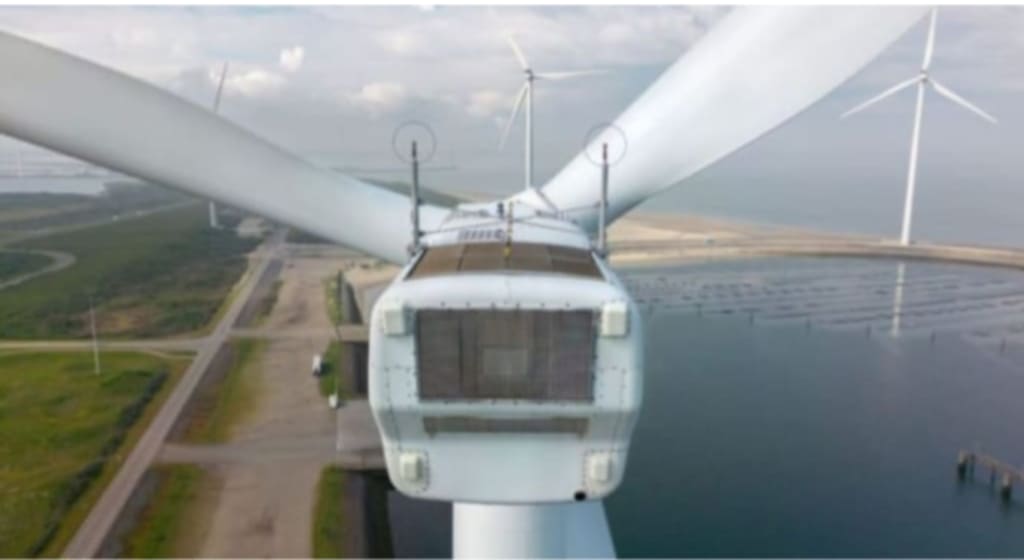
Wind turbines have long been hailed as a cornerstone of America’s renewable energy strategy. Towering over landscapes, these spinning giants promise clean electricity without the emissions associated with fossil fuels. Yet beneath the gleaming narrative lies a set of issues that rarely make headlines — from environmental impacts to safety and operational challenges. As the country accelerates its renewable ambitions, it’s becoming clear that wind power is not without complications — and technology like drones may help address them.
The Promises and the Reality
Wind energy has contributed significantly to America’s renewable energy growth. According to the U.S. Department of Energy, wind accounted for a notable portion of the nation’s electricity generation in 2025, and federal incentives have encouraged rapid expansion. For communities and policymakers, turbines symbolize progress toward reducing greenhouse gas emissions and combating climate change.
But as wind farms have proliferated, several unintended consequences have emerged. These “dark side” issues include impacts on wildlife, noise pollution, aesthetic concerns, and operational limitations. While advocates focus on the environmental benefits, critics argue that these challenges deserve serious attention.
Environmental Impacts
One of the most significant concerns involves wildlife. Studies have documented bird and bat fatalities caused by turbine blades, which can disrupt local ecosystems. Raptors and migratory species are particularly vulnerable. While modern turbine designs have improved safety, the cumulative effect of hundreds of turbines in large wind farms can be considerable.
Additionally, turbines require significant land use. Large-scale wind farms can alter habitats, affect soil and vegetation patterns, and, in some cases, displace local wildlife. These impacts are often overshadowed by the broader narrative of clean energy, but for ecologists and local communities, they remain critical considerations.
Noise and Health Concerns
Another overlooked issue is noise. Wind turbines generate low-frequency sounds and vibrations that can travel for miles. Some residents near wind farms report sleep disturbances, headaches, or other health effects. While the science is mixed and often disputed, the complaints highlight a tension between energy infrastructure and community well-being.
Visual impact is another factor. Turbines, especially in scenic or rural areas, can alter the aesthetic value of landscapes. Property values in nearby areas may be affected, and not all communities are comfortable with the towering presence of spinning blades.
Operational Challenges
Beyond environmental and social concerns, wind turbines face technical limitations. Wind is intermittent, meaning energy output is inconsistent. Grid operators must balance wind power with other sources, often relying on natural gas or storage systems to ensure reliability. Turbine maintenance is another challenge: blades, towers, and mechanical components require regular inspections and repairs, often in hard-to-reach locations.
Enter drones.
Drones Begin to Move In
To address maintenance and safety concerns, the wind industry is increasingly turning to drones. These unmanned aerial vehicles can inspect turbine blades, towers, and foundations with unprecedented precision. Equipped with high-resolution cameras and thermal sensors, drones can identify cracks, corrosion, and other structural issues before they become critical failures.
Drones also reduce the risk to human technicians, who previously had to climb hundreds of feet to perform inspections. By flying around and inside turbines, drones can collect data more quickly, safely, and at lower cost. In the coming years, this technology may become standard for wind farm operations, helping operators optimize performance and extend the life of their assets.
Safety and Disaster Response
Drones are also beginning to play a role in monitoring weather and safety conditions. Turbines face risks from lightning, extreme winds, and ice accumulation. Using drones equipped with sensors, operators can assess damage after storms or natural disasters without putting personnel at risk. This rapid assessment capability is critical for reducing downtime and ensuring the reliability of the electricity supply.
Moreover, some companies are experimenting with drones that can perform minor repairs or apply protective coatings to blades, further reducing operational costs and downtime.
Public Perception and Policy Implications
The emergence of drones underscores a broader point: wind energy is evolving rapidly, but public perception often lags behind technological innovation. Communities that were skeptical about turbines may become more accepting if drones and other tools demonstrate improved safety, reduced environmental impact, and increased efficiency.
Policy makers are beginning to integrate these insights into regulations and permitting processes. For example, drone-assisted monitoring could be used to meet environmental compliance requirements or to provide transparency in wildlife protection efforts. By leveraging technology, wind power can address some of the criticisms that have slowed development in certain regions.
The Dark Side No Longer Hidden
While wind energy remains a vital part of America’s clean energy future, it is essential to acknowledge the challenges openly. The “dark side” includes ecological disruption, human health concerns, and operational difficulties — issues that were often minimized in early advocacy campaigns. By facing these realities, the industry can develop solutions that make wind power more sustainable and socially acceptable.
The integration of drones is one such solution, offering a bridge between ambition and reality. As more wind farms adopt drone technology for inspection, maintenance, and monitoring, operators can reduce risks, optimize output, and improve community relations.
Looking Forward
America’s wind energy sector stands at a crossroads. The benefits of renewable energy are undeniable, but ignoring the challenges could slow adoption and provoke public backlash. By embracing technological innovation — including drones — and transparently addressing environmental and social concerns, the industry can continue to grow responsibly.
Drones represent a new frontier in wind energy management, providing the tools needed to confront the “dark side” that no one wanted to discuss. They exemplify how technology can mitigate risks, enhance efficiency, and make renewable energy more compatible with ecological and human realities.
As turbines continue to spin across the American landscape, one thing is clear: the future of wind energy will not just be about harnessing power from the wind. It will also be about combining innovation, responsibility, and transparency to ensure that clean energy remains truly sustainable.
About the Creator
Sajida Sikandar
Hi, I’m Sajida Sikandar, a passionate blogger with 3 years of experience in crafting engaging and insightful content. Join me as I share my thoughts, stories, and ideas on a variety of topics that matter to you.
Keep reading
More stories from Sajida Sikandar and writers in Earth and other communities.
Annular Solar Eclipse Turns the Sun into a Dramatic 'Ring of Fire' Today! Here's What You Need to Know
Today, skywatchers around the world have a rare celestial spectacle to look forward to: an annular solar eclipse, a phenomenon that transforms the sun into a dazzling “ring of fire.” Unlike a total solar eclipse, where the moon completely covers the sun, an annular eclipse occurs when the moon is slightly farther from Earth in its orbit, leaving a brilliant ring of sunlight visible around the lunar silhouette. The event promises a breathtaking view for those in the path of annularity and an unforgettable glimpse of nature’s cosmic choreography for millions more.
By Sajida Sikandar6 days ago in Earth
Winterthorne
Winterthorne stood alone at the edge of the park. The beautiful snow that had surrounded him was all trampled now, from the feet of all of the children who had built him. He missed the sparkly clean snow blanket, but he was happy that so many children had come out to make him.
By Laura DePace2 days ago in Fiction




Comments
There are no comments for this story
Be the first to respond and start the conversation.