
Amazing Carnivorous Plants
Plants that trap insects

Carnivorous plants thrive in nutrient poor environments by trapping and digesting insects. Their digestive enzyms break down the prey and the plants receive necessary nutrients.All of these plants are unusual and stand out from the rest.
Australian Pitcher Plants
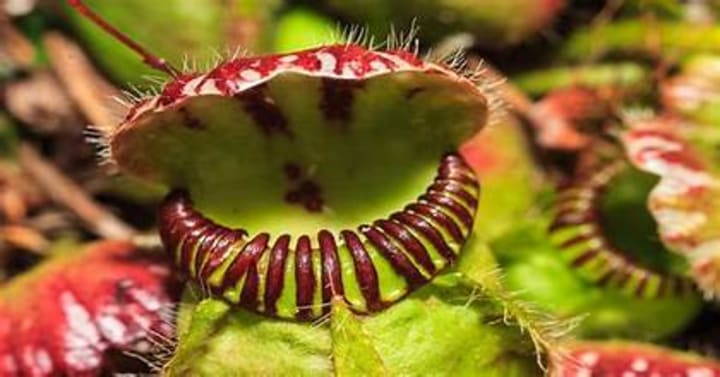
These plants are a rare and distinctive species endemic to southwestern Australia, They thrive in sandy, nutrient-poor soil. Their small, green pitchers are highly effective at trapping insects. They contain a slippery inner surface that prevents prey from escaping. After insects are trapped digestive fluids break them down and the plants receive their nutrients.
Bladderworts
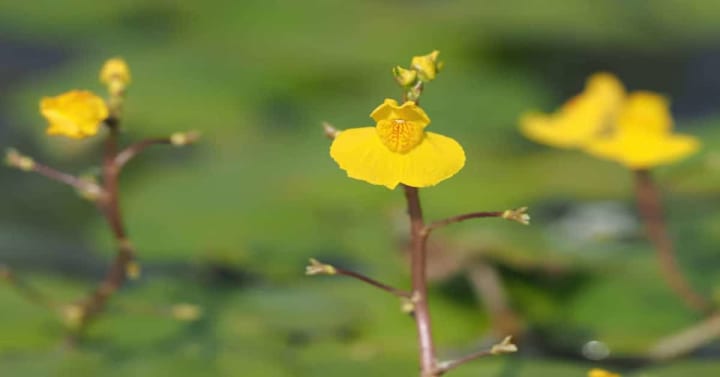
Bladderworts are unique among carnivorous plants due to their underwater traps. All around the globe these plants are found in aquatic and wetland habitats. Their tiny bladder-like traps capture small aquatic organisms. Their traps work through the use of a vacuum mechanism which sucks the prey in when triggered. They quickly didgest their prey and receive their needed nutrients.
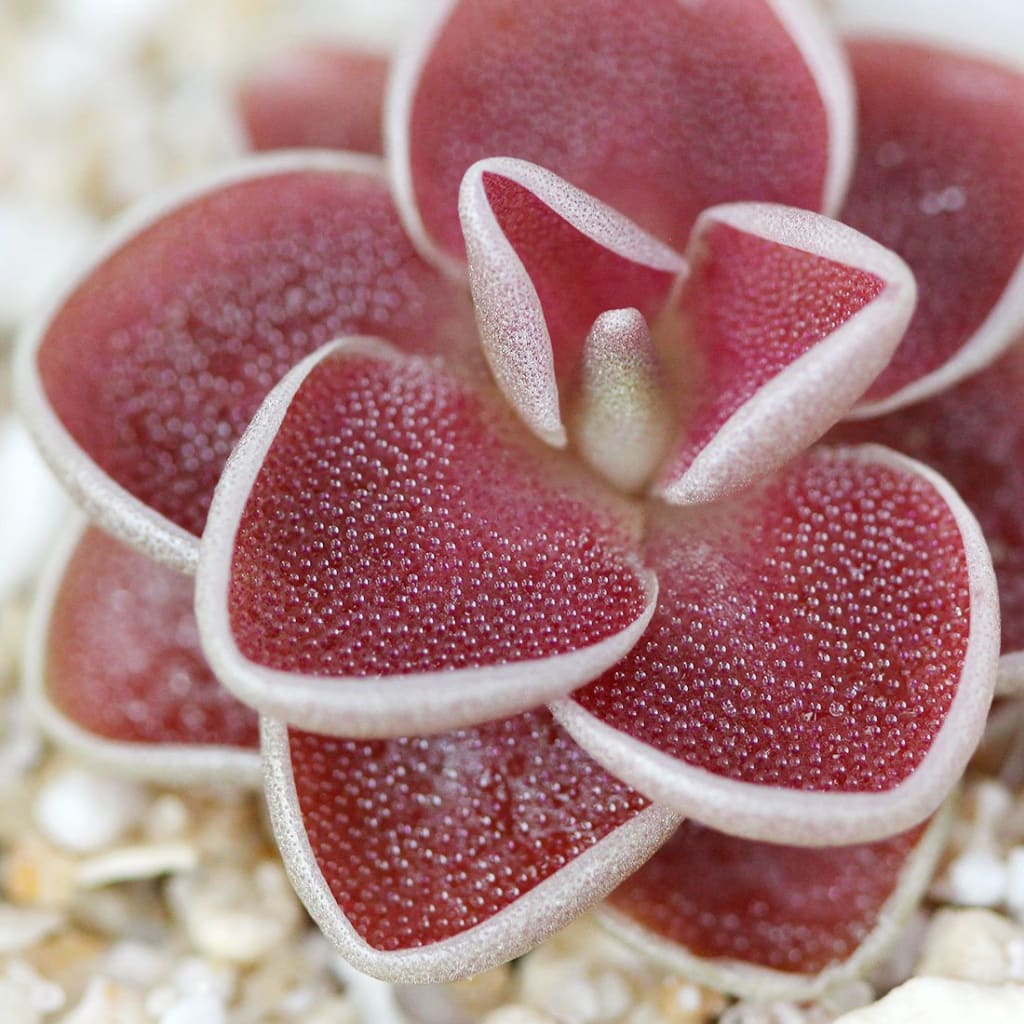
Butterworts (Pictured on top)
These carnivorous plants have sticky, glandular leaves. They are located in various regions among them Europe and North America. To trap insects their leaves excrete a sticky subsantce. Once trapped the leaves secrete digestive enzymes to break down the prey. Butterworths can also absorb nutrients through their leaves.
Cobra Lilies
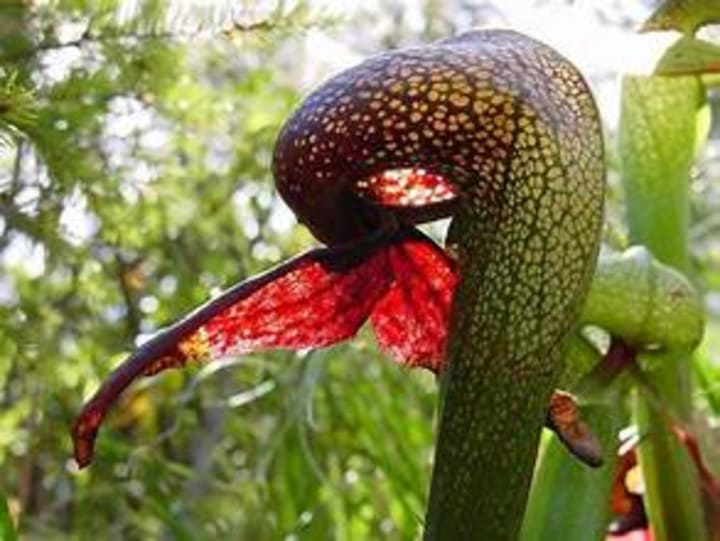
Cobra lilies are amazing with their hooded, cobra-like appearance. They are native to the boggy regions of Northern California and Oregon. They have leaves that form a tubular structure trapping insects. The plants use downward-pointing hairs to guide prey into their digestive chanbers giving the plants their nutrition.
Parrot Pitcher Plants
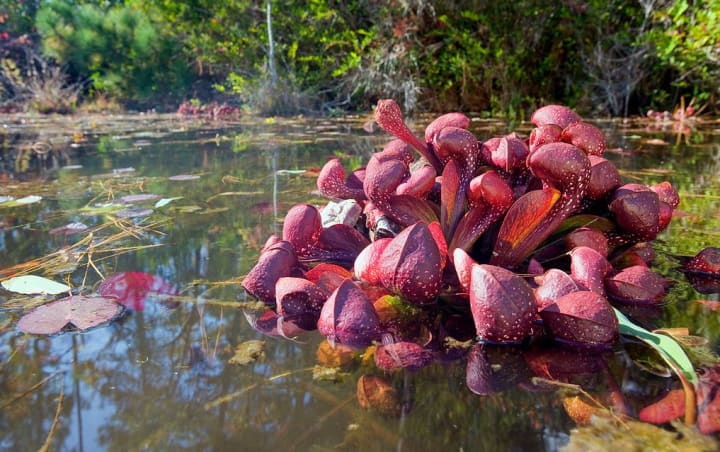
These carnivorous plants are native to the southeastern US. They have distinctive, parrot beak shaped pitchers that trap insects. Their pitchers lie close to the ground making it easier to capture crawling insects. Their one unique feature is a false exit that confuses trapped prey. Downwaard-pointing hairs keep the insects traped so digestion can occur and the plants receive nutrients.
Pitcher Plants
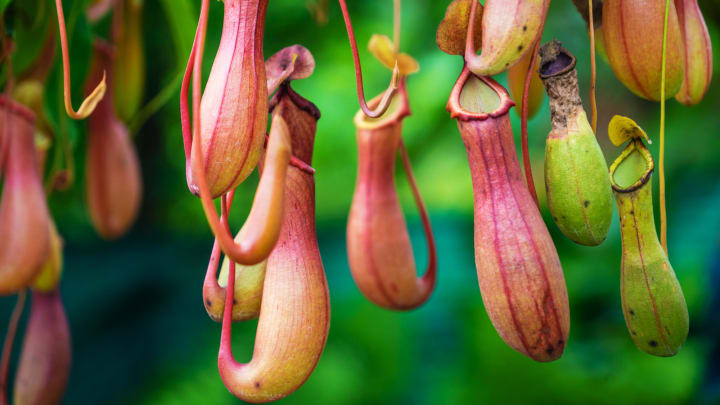
These plants are known for their deep, fluid-filled pitchers. They are found in the tropical regions of Southeast Asia. The pitchers attract and drown insects that are then digested. Their one unique feature is the slippery rim that makes it hard for prey to get away. The fluid inside contains digestive enzymes that break down the prey, providing nutrients to the plant.
Portuguese Sundews
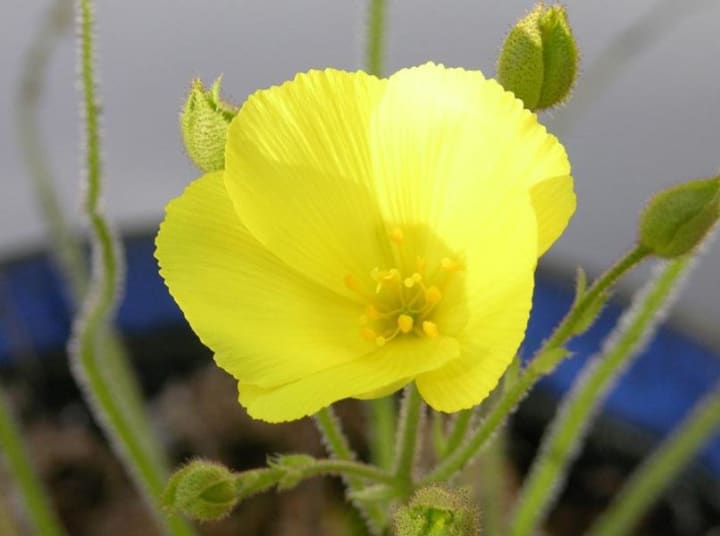
Portuguese sundews are carnivorous plants found in Portugal and Morocco. They have long, slender leaves that are covered in sticky, glandular hairs trapping insects. Their sticky secretion attracts and traps prey. Digestive enzyms bread down the insects and provide nutriens.
Sundews
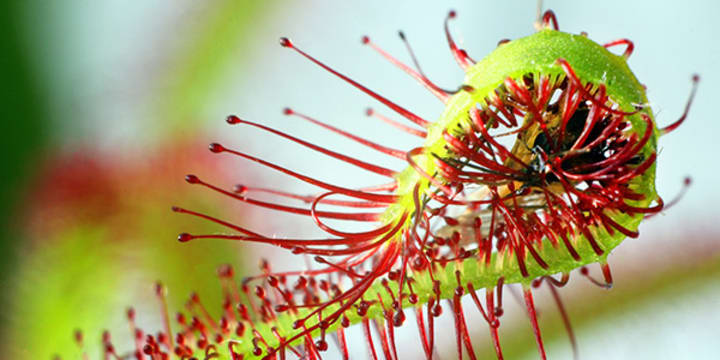
Sundews are small but captivating carnivorous plants. They can be found in every continent except Antarctica. Sticky tentacles cover their leaves trapping insects. A glistening, sticky substance is secreted by their tentacles luring and ensnaring prey. Once an insect is caught the tentacles curl around it, and digestive enzymes break it down giving the plant the necessary nutrients.
Tropical Pitcher Plants
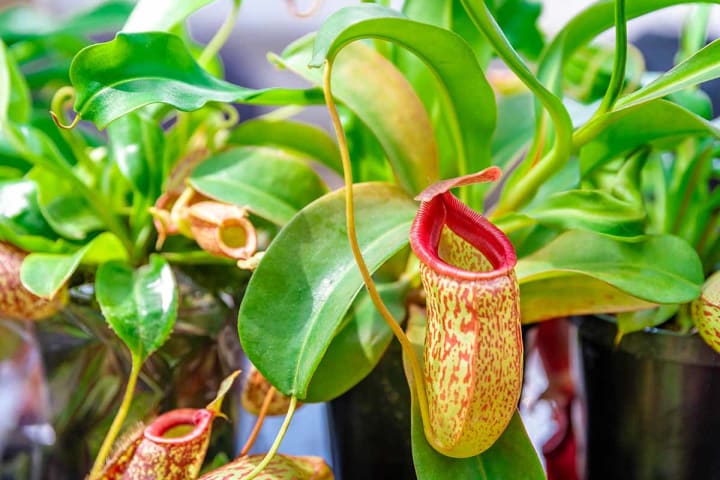
These plants are known for their large pitchers. They are native to the highland regions of Borneo. Their pitchers can trap larger prey, including small vertebrates. Their one unique feature is their mutualistic relationship with certain species of ants. The ants help keep their pitchers clean by feeding on trapped insects. This is a kind of symbiotic relationship that benefits both the plants and the ants.
Venus Flytraps
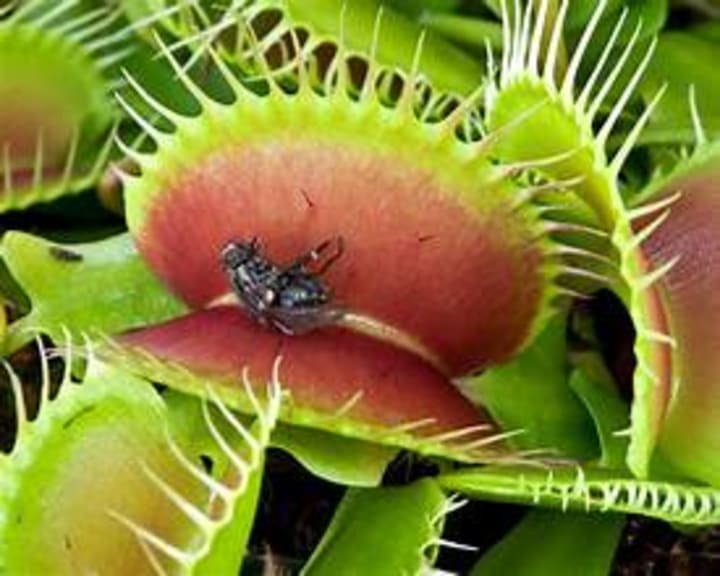
These carnivorous plants are among the most well-known of all of the others. They are native to the subtropical wetlands in the US, particularly North and South Carolina. The plants have hinged leaves that snap shut when triggered by unsuspecting prey. The plants can close their leaves within milliseconds to trap insects inside where digestive enzyms breadk sown the prey and the plants can absorb the nutrients.
Waterwheel Plants
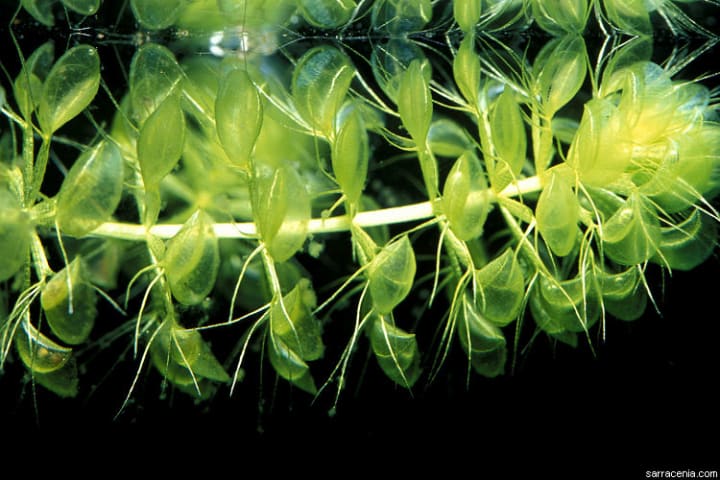
Waterwheel plants are amazing aquatic carnivorous plants. They are native to Europe, Asia, Africa, and Australia. The plants float in water using their trap-like leaves to capture prey. They capture prey similar to the Venus Flytrap. Their traps shut when tiny aquatic insects trigger their sensitive hairs providing them with nutrients.
White-Top Pitcher Plants

White-top pitcher plants are native to the southeastern US. They have tall, white-topped pitchers that attract insects with their vibrant colors and sweet nectar. These pitchers can grow up to three feet tall. The plants use downward pointing hairs to trap the insects withing their pitchers. Then the insects are digested and the plants get their nutrients.
About the Creator
Rasma Raisters
My passions are writing and creating poetry. I write for several sites online and have four themed blogs on Wordpress. Please follow me on Twitter.
Keep reading
More stories from Rasma Raisters and writers in Earth and other communities.
Largest Creatures of the Deep
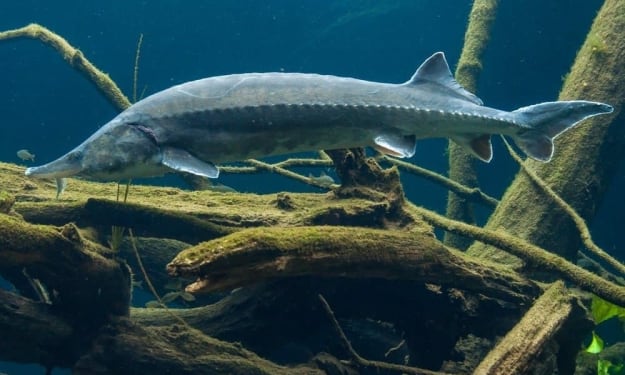
Beluga Sturgeons Beluga sturgeons live in rivers. They grow up to 24 feet in length making them the largest freshwater fish. They are native to the Caspian and Black Sea and migrate to spawn in freshwater rivers. These ancient fish are known for their roe, prized globally as beluga caviar. Beluga sturgeons are bottom dwellers and feed on fish and invertebrates.
By Rasma Raisters9 months ago in Earth
The Ritual of Winter Challenge Winners
As the chill of winter settles in, communities everywhere have been buzzing with anticipation for the results of the Ritual of Winter Challenge, an event that has become a highlight of the season for enthusiasts of all ages. From artists and writers to athletes and innovators, participants from across the country compete in a variety of categories, showing off not just talent, but ingenuity, perseverance, and a commitment to pushing boundaries. This year’s winners offer a glimpse into the creative and competitive spirit that makes this challenge such a standout experience.
By Muhammad Hassan4 days ago in Earth
Locked Exits, Panic, and Desperate Calls: Survivors Recount Mall Fire Horror
A tragic fire at a busy shopping mall has left the public in shock as survivors recount the harrowing moments when flames and smoke consumed the building. Eyewitness accounts describe locked exits, panicked crowds, and desperate calls for help, painting a chilling picture of the chaos inside.
By Muhammad Hassan6 days ago in Earth


Comments (1)
I didn’t know many of these carnivorous plant. I had a Venus flytrap once. I fed it with dry mealworms.