


The East African country of Kenya meets up with the Indian Ocean on one side. It borders Tanzania on the southwest, Uganda on the west, South Sudan and Ethiopia to the north, and Somalia to the east.
Official National Animal
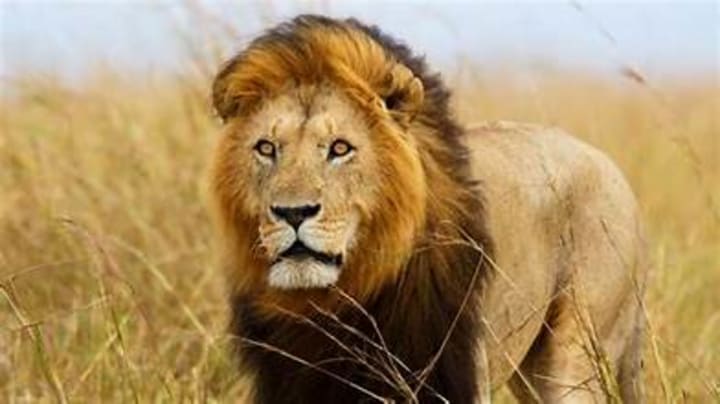
East African lion
National Bird of Kenya
Lilac-breasted roller
Native Animals
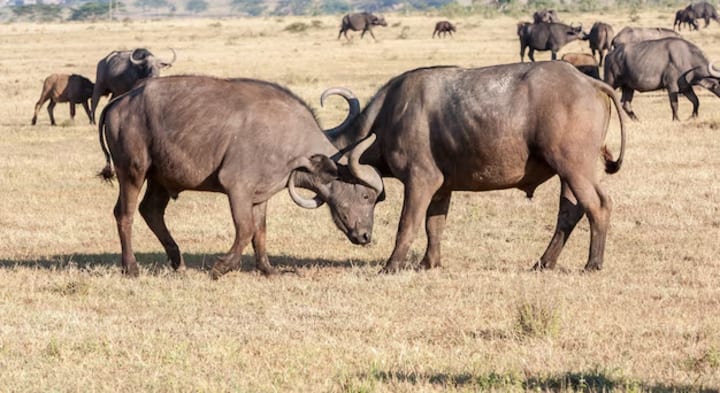
African buffaloes are a large species of bovine that are native to sub-Saharan Africa. These are among the most dangerous animals in Africa.
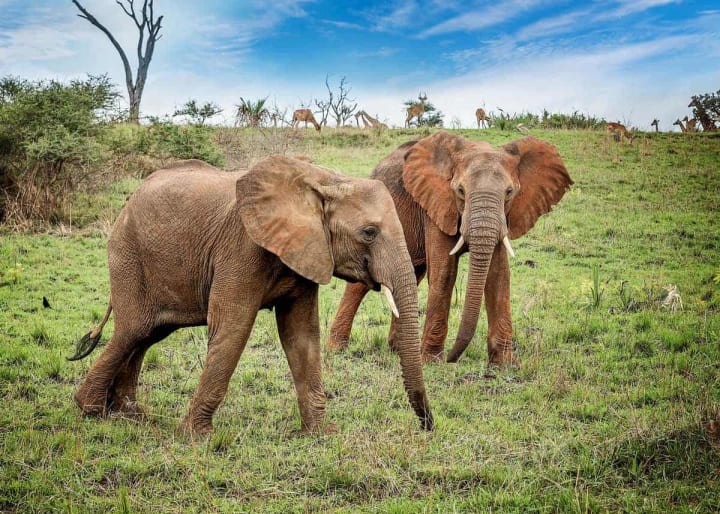
African bush elephants are among the most iconic animals in Africa and the largest terrestrial animals.
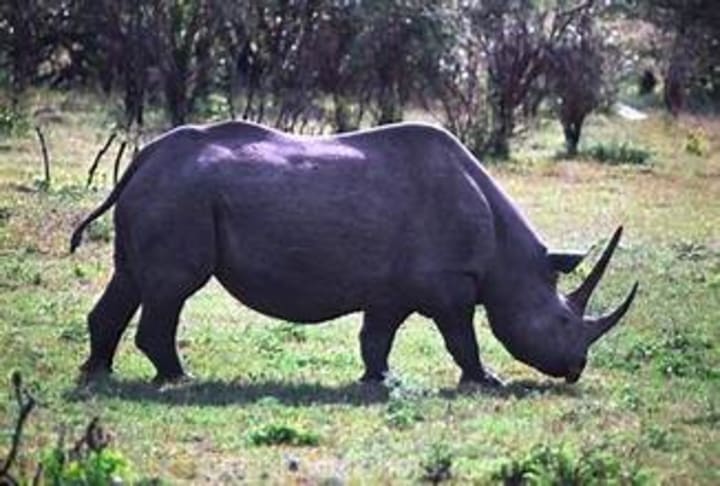
Black rhinoceroses are a larger species of rhinos native to eastern and southern Africa.
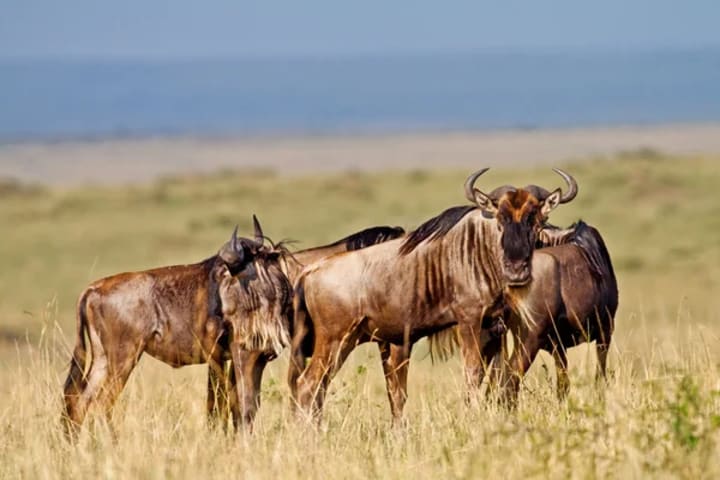
Blue wildebeests are a large species of antelope with a muscular appearance and robust muzzles. They are herbivores feeding on short grasses. They live in large herds and are fast runners.
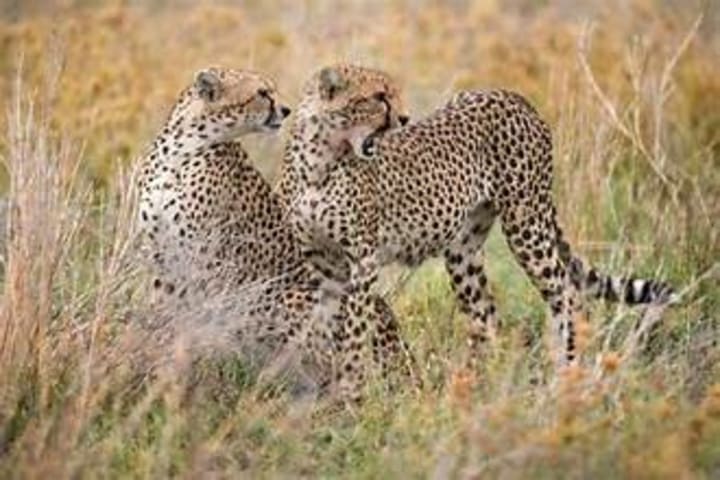
Cheetahs are a large species of cats native to Africa and central Iran. They are the fastest animals on Earth. These cats gather in 3 types of groups: females and their offspring, solitary males, and all-male groups.Their preferred prey are small and medium-sized mammals such as impalas, springboks, and gazelles that they chase, trip, and bite.
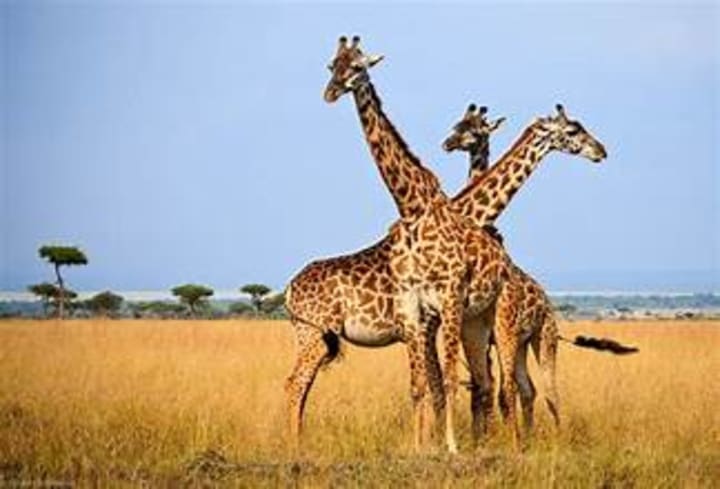
Giraffes are among the iconic animals in Africa. They are the tallest animals on Earth and the largest ruminants. They have distinctive spotted coats.
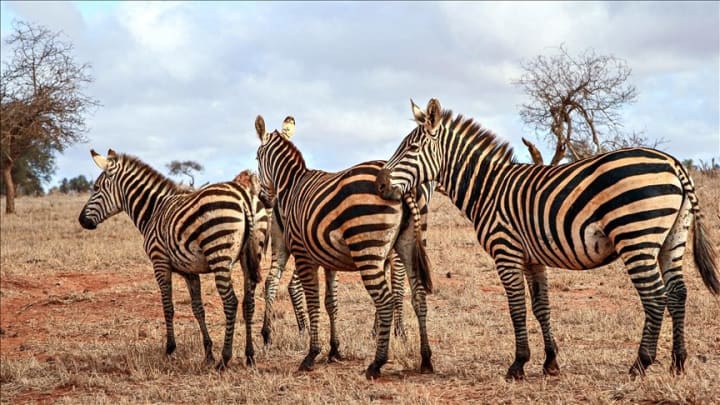
Grevy’s zebras are the largest species of wild equids in the world. They live in herds and have characteristic black and white stripes. They inhabit semi-arid grasslands and feed on grasses and legumes and browse. Interestingly enough, they can survive up to 5 days without water.

Impalas are a medium-sized antelope species native to eastern and southern Africa. They have long slender horns and are active during the day, Similarly to the cheetah, there are three main groups of impalas: territorial males, bachelor herds, and female herds.

Leopards are a large species of wild cats spread from western to southern Africa and along the eastern coastline of Asia. Their bodies are covered with rosettes. They are very fast runners and can easily catch prey.
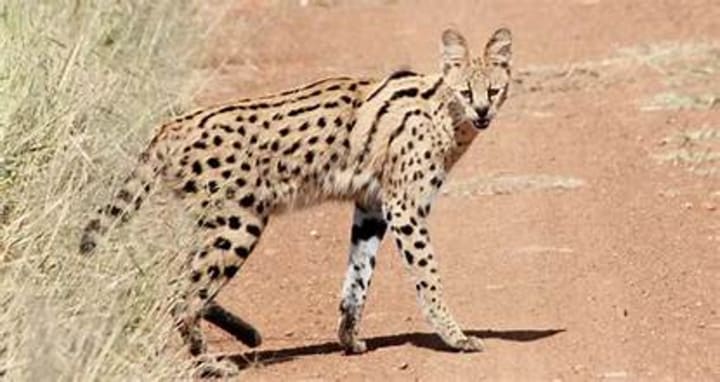
Servals are a medium-sized species of wild cats that live in Kenya. They are solitary carnivores feeding on rodents, small birds, insects, reptiles, and frogs. They have a keen sense of hearing to locate prey and find it easy to pick up movement.
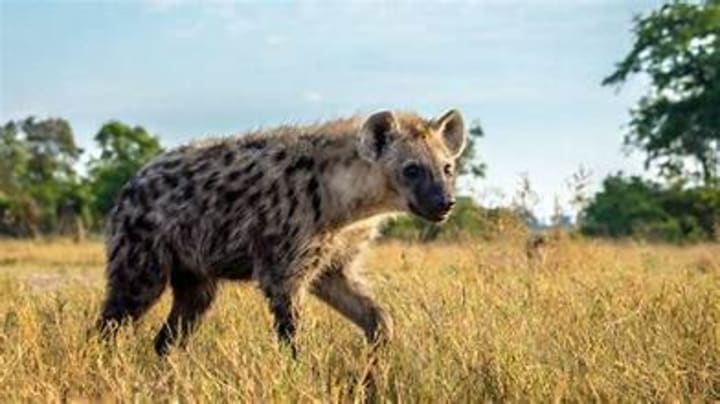
Spotted hyenas, or laughing hyenas, are a large species of carnivores native to sub-Saharan Africa. They are mainly scavengers and have powerful bites and can eat and digest almost anything, from meat to bones and other tough parts.
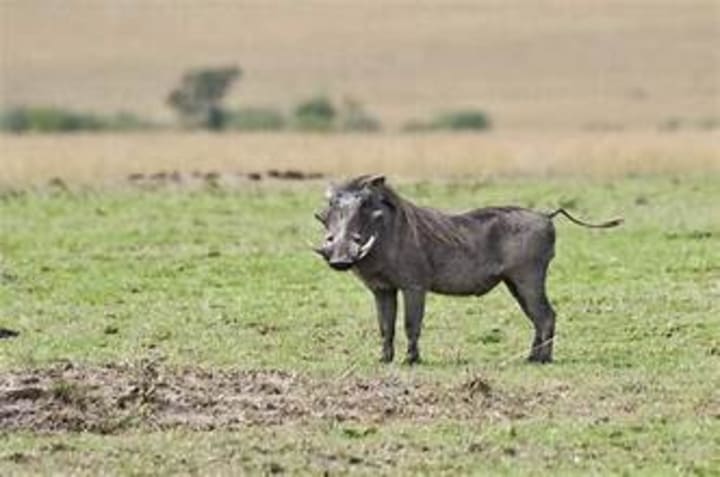
Warthogs are a species of wild pigs that are native to sub-Saharan Africa. They make their homes in savannas, woodlands, and grasslands. Warthogs are omnivores and feed on anything from roots, berries, and grasses to fungi, eggs, and carrion.
Birds
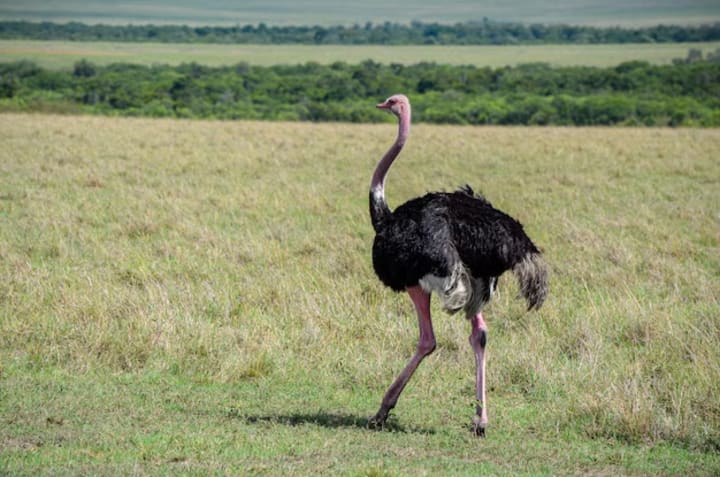
Common ostriches are some of the largest and most aggressive animals. They are the largest living bird species but cannot fly, They can run extremely fast. These birds dine on plant matter and occasionally reptiles and invertebrates.
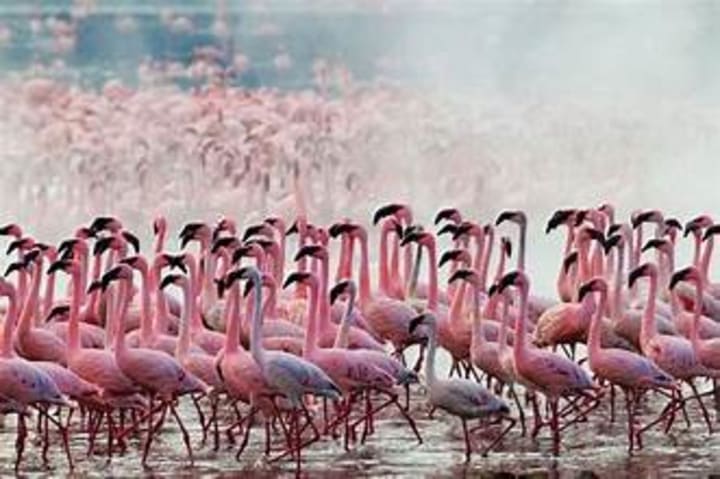
Greater flamingos are the most widespread and largest species of flamingos in the world. Due to the pigments of the organisms these birds eat, they are a bright pink color.
Aquatic Animals
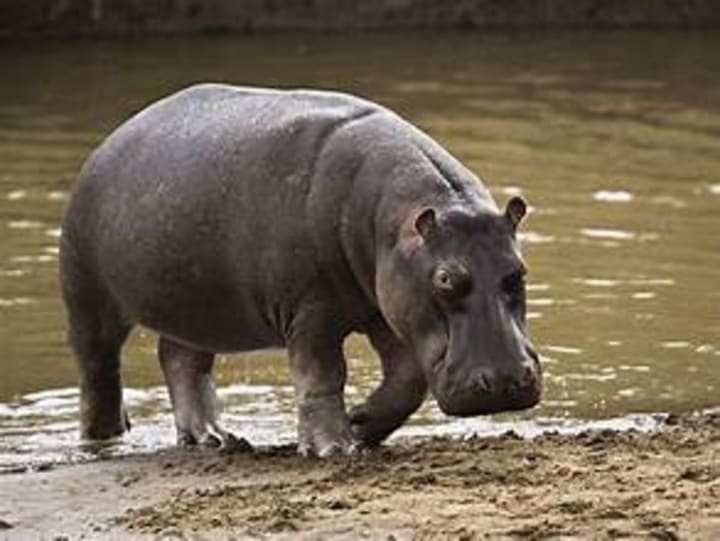
Hippopotamuses are semi-aquatic animals. These ungulates are native to sub-Saharan Africa. Hippos are herbivores. They inhabit lakes, rivers, and mangrove swamps.
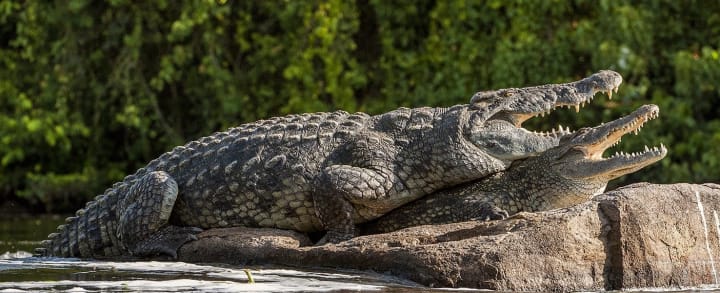
Nile crocodiles are large crocodilians. They are strong, social, and aggressive. They are among the most dangerous species of crocodiles and the second-largest reptiles on Earth. They hide in muddy waters and can kill almost any animals within their range.
About the Creator
Rasma Raisters
My passions are writing and creating poetry. I write for several sites online and have four themed blogs on Wordpress. Please follow me on Twitter.
Keep reading
More stories from Rasma Raisters and writers in Earth and other communities.
Chameleon: Nature’s Master of Disguise
When most people think of camouflage in the animal kingdom, the chameleon immediately comes to mind. These small reptiles have fascinated scientists, photographers, and wildlife enthusiasts for centuries, not only for their astonishing color-changing abilities but also for their incredible adaptations that make them masters of survival. The chameleon is more than just a showpiece of nature’s artistry; it is a symbol of evolutionary ingenuity and adaptability. The Science of Color Change Chameleons are perhaps best known for their ability to change color, a trait that has captivated observers for generations. While many assume this ability is solely for hiding from predators, the reality is far more complex. Color change serves multiple purposes, including: Camouflage: Blending with surroundings to avoid predators or ambush prey. Communication: Displaying bright colors during courtship or aggressive interactions with rivals. Thermoregulation: Adjusting skin color to absorb or reflect sunlight, helping regulate body temperature. The process of color change is made possible by specialized cells called chromatophores in the chameleon’s skin. These cells contain pigments, and by expanding or contracting them, chameleons can create an array of colors. Beneath the chromatophores, iridophores and guanophores reflect light in ways that produce iridescence, enabling even more intricate patterns. Scientists have discovered that chameleons’ color change is not purely reactive; it is also influenced by mood, social signals, and environmental conditions, making it one of the most sophisticated forms of adaptive behavior in the animal kingdom. Physical Adaptations That Enhance Survival Color change is just one aspect of the chameleon’s impressive survival toolkit. These reptiles have evolved several other features that reinforce their mastery of disguise: Eyes: Chameleons have independently rotating eyes, which allow them to observe nearly 360 degrees around them. This unique vision helps them spot predators and prey while remaining stationary and hidden. Tongue: Chameleons are equipped with a rapidly extending tongue that can be up to twice the length of their body. This allows them to catch insects from a safe distance without revealing their position. Feet and Tail: Chameleons have zygodactylous feet (two toes pointing forward, two backward) and prehensile tails, which allow them to grip branches securely while moving slowly and deliberately—perfect for stealthy navigation through trees. Body Shape and Movement: Many species have laterally flattened bodies and move in a rocking, slow-motion gait, mimicking leaves swaying in the wind. This natural motion enhances camouflage and reduces detection by predators. Chameleons Around the World Chameleons are primarily found in Madagascar, Africa, and parts of southern Europe and Asia. Madagascar is home to the most diversity, with hundreds of unique species adapted to various habitats, from tropical rainforests to arid deserts. Panther Chameleon (Furcifer pardalis): Native to Madagascar, males display spectacular colors during mating rituals, with bright reds, blues, and greens. Jackson’s Chameleon (Trioceros jacksonii): Recognizable by its three horns, this species originates from East Africa and is often found in cooler highlands. Veiled Chameleon (Chamaeleo calyptratus): Known for its prominent casque (helmet-like head), it inhabits Yemen and Saudi Arabia and can exhibit dramatic color changes depending on mood and temperature. Each species has evolved specific adaptations for its environment, demonstrating the chameleon’s remarkable ecological versatility. Chameleons as Masters of Stealth The combination of color change, movement, and physical adaptations makes chameleons extraordinarily difficult for predators to detect. Birds, snakes, and small mammals may prey on them, but chameleons’ stealthy strategies give them a fighting chance. Moreover, the ambush hunting technique of chameleons is equally impressive. By remaining motionless and blending into foliage, they can capture unsuspecting insects with precision and efficiency. This makes them both predator and prey masters of disguise, a dual role that is rare in the animal kingdom. Threats and Conservation Despite their incredible adaptations, chameleons face growing threats from human activity. Habitat destruction, climate change, and the exotic pet trade have put several species at risk. In Madagascar, deforestation has significantly reduced available habitat, threatening endemic chameleon species. Conservation efforts are underway in some regions, including: Protected areas and national parks to preserve habitats. Captive breeding programs to maintain population diversity. Regulations on pet trade to prevent over-collection of wild specimens. Educating the public about the ecological importance and unique biology of chameleons is crucial to ensure these masters of disguise continue to thrive in the wild. The Fascination with Chameleons Chameleons have captured human imagination for centuries. They are featured in art, folklore, and modern media, symbolizing adaptability, secrecy, and transformation. In modern science, studying chameleons has inspired research in camouflage technology, color-changing materials, and robotics, showing that nature’s ingenuity can inform human innovation. Their behavioral complexity, visual mastery, and survival strategies continue to fascinate scientists, highlighting how evolution crafts creatures perfectly adapted to their environments. Conclusion Chameleons are more than just colorful reptiles; they are nature’s ultimate masters of disguise. Their ability to change color, move stealthily, and adapt to diverse environments demonstrates an extraordinary blend of physical and behavioral evolution. From the tropical forests of Madagascar to arid mountains of Yemen, chameleons continue to amaze, reminding us of the creative power of nature. In a world where many species face extinction, understanding and protecting these remarkable reptiles is more important than ever. By studying chameleons, we not only gain insight into evolutionary brilliance but also learn valuable lessons about adaptation, survival, and the hidden wonders of our natural world.
By Muhammad Hassan4 days ago in Earth
Smart phones, Humans and Aliens.
WARNING. I will be tapping into one of your favorite creative tensions: The absurdity of humans worshipping their glowing rectangles as if they were tiny oracles. There’s something deliciously poetic about that contradiction, and it lends itself beautifully to an instructive proviso.
By Novel Allen6 days ago in Poets



Comments
There are no comments for this story
Be the first to respond and start the conversation.