


he moon has always been there—silent, distant, and watching. No matter where you are in the world, it rises without asking for attention and shines without demanding praise. Among all the things in the sky, the moon feels the most familiar, yet the most alone. It doesn’t burn like the sun. It doesn’t rush like the clouds. It simply exists, quietly reflecting light that isn’t even its own.
There is something deeply human about the moon’s loneliness.
The Moon and the Feeling of Being Alone
The moon doesn’t compete with anyone. It shows up when the world slows down, when noise fades and thoughts grow louder. That is why people often associate the moon with solitude. When you’re alone—truly alone—you notice it more. Maybe it’s because loneliness sharpens awareness, or maybe because the moon feels like it understands silence.
Unlike the sun, which rules the day with confidence, the moon rules the night gently. It doesn’t force itself into your vision. You have to look for it. And when you do, it feels personal, as if it appeared just for you.
A Companion for Quiet Nights
For people who stay awake late, the moon becomes a companion. While the rest of the world sleeps, it hangs above like a quiet witness. It sees overthinking minds, heavy hearts, unspoken regrets, and unfinished dreams.
There are nights when words fail, when talking feels exhausting. In those moments, the moon feels easier to sit with. It doesn’t interrupt. It doesn’t judge. It just listens, even though it never answers.
That silent presence can feel comforting, especially when human connection feels distant.
The Moon Reflects, It Doesn’t Shine
One of the most overlooked truths about the moon is that it doesn’t produce its own light. It reflects the sun. And yet, that reflected light has guided travelers, inspired poets, and calmed restless souls for centuries.
There’s a lesson hidden there.
You don’t always have to create something entirely new to matter. Sometimes, reflecting what you’ve learned, survived, or been given is enough. Even borrowed light can illuminate darkness. Even quiet existence can have meaning.
Loneliness Isn’t Always Empty
The moon’s loneliness isn’t desperate. It doesn’t chase stars or beg the sun to stay longer. It accepts its space in the sky. That kind of loneliness feels different—it’s not emptiness, it’s stillness.
Being alone doesn’t always mean being broken. Sometimes, it means you’re resting. Sometimes, it means you’re healing. And sometimes, it means you’re learning who you are without noise.
The moon teaches that solitude can be peaceful, not painful.
Phases of Being Alone
The moon is never the same every night. It grows, fades, disappears, and returns. Human loneliness works the same way. Some days it feels heavy and overwhelming. Other days it’s light, manageable, even necessary.
Just like the moon, being alone is a phase—not a permanent state. Even when it disappears from the sky, it is still there, waiting for the right moment to return.
This reminder matters on the darkest nights.
Why We Look Up
People don’t look at the moon for answers. They look at it for understanding. For reassurance that something constant exists, even when life feels uncertain.
When you feel unseen, the moon feels like proof that quiet things still matter. That presence doesn’t require noise. That existing softly is still existing fully.
Looking at the moon doesn’t fix problems—but it slows the mind enough to breathe.
The Moon and the Outsiders
Artists, writers, dreamers, and outsiders have always been drawn to the moon. Maybe because it doesn’t fit the pattern of the sky. Maybe because it doesn’t belong to the day or the night completely.
The moon exists in between—just like people who don’t feel like they fully belong anywhere. And in that shared distance, there is connection.
The moon doesn’t try to blend in. It stays true to its rhythm.
Alone, But Not Meaningless
The moon reminds us that being alone doesn’t erase purpose. Even in isolation, it affects tides, oceans, and emotions. Its influence is quiet but powerful.
In the same way, a person doesn’t lose value just because they feel alone. Impact doesn’t always come from crowds. Sometimes it comes from simply being present, consistent, and real.
Closing Thoughts
The alone moon doesn’t cry about the darkness. It lights it gently. It doesn’t rush the night to end. It stays until morning comes naturally.
And maybe that’s the lesson.
You don’t have to force happiness. You don’t have to explain your silence. You don’t have to fear being alone. Like the moon, you can exist quietly, reflect what you’ve learned, and still matter deeply.
Some nights are meant for solitude. And some companions don’t need words at all 🌚
About the Creator
Saboor Brohi
I am a Web Contant writter, and Guest Posting providing in different sites like techbullion.com, londondaily.news, and Aijourn.com. I have Personal Author Sites did you need any site feel free to contact me on whatsapp:
+923463986212
Keep reading
More stories from Saboor Brohi and writers in Earth and other communities.
Some Lessons Only Come When You’re Broke
There is a kind of education that no classroom offers, no book fully explains, and no motivational quote can replace. It arrives quietly, often uninvited, and usually at a moment when you have very little left—financially, emotionally, or mentally. Being broke is not something people romanticize, and rightly so. It is uncomfortable, stressful, and sometimes humiliating. But hidden within that phase are lessons that wealth and comfort rarely teach. When money is gone, clarity often arrives. You Learn the Real Value of Money When you have enough, money feels abstract. It’s numbers in an app, bills that get paid automatically, meals ordered without checking prices. But when you’re broke, money becomes tangible again. Every small expense carries weight. You start asking questions you never did before: Do I really need this? Can this wait? Is there a cheaper way? This isn’t about becoming cheap; it’s about becoming conscious. Being broke teaches you that money is not just for spending—it’s for protecting your peace, your time, and your future. You learn that earning money is only half the skill; managing it is the other half. You Discover Who Actually Cares Hard times have a way of filtering people out. When you can’t afford dinners, gifts, or outings, some connections fade naturally. It hurts at first, but eventually, it feels honest. You learn who checks on you without expecting anything back. You learn who listens instead of judging. And you also learn to stop performing for people who only valued you when you were convenient or impressive. Being broke teaches you that real relationships are built on presence, not spending. You Become Resourceful Instead of Comfortable Comfort can make you lazy without you realizing it. Scarcity, on the other hand, forces creativity. When you don’t have money, you start finding ways. You fix instead of replace. You learn skills instead of outsourcing them. You search, read, experiment, and try. This resourcefulness often becomes a lifelong asset. Even when money returns, the mindset stays. You stop depending entirely on convenience and start trusting your ability to figure things out. That confidence doesn’t come from wealth—it comes from surviving without it. You Redefine Success When you’re broke, flashy definitions of success lose their shine. Expensive cars, luxury trips, and social media lifestyles feel distant and, sometimes, meaningless. Success starts to look simpler: stability, freedom from constant worry, the ability to help family, the chance to sleep peacefully at night. You realize that success isn’t about impressing others—it’s about building a life that doesn’t constantly put you in survival mode. This shift in perspective often leads to healthier goals and more sustainable ambitions. You Learn the Difference Between Wants and Needs Being broke strips life down to essentials. Food, shelter, health, and basic dignity take priority. Everything else becomes optional. This lesson is uncomfortable but powerful. You realize how much of what you once chased was driven by comparison rather than necessity. You learn that happiness doesn’t disappear when luxuries do. In fact, gratitude often grows when life becomes simpler. Later, when you can afford more, this lesson protects you from excess and emotional spending. You Build Emotional Resilience Financial struggle tests your mental strength. There are days when anxiety is loud and hope feels thin. But surviving those days builds resilience that can’t be bought. You learn how to sit with discomfort. You learn patience. You learn how to keep going even when progress feels invisible. That resilience becomes useful far beyond money. It helps in relationships, careers, and personal growth. Once you’ve faced financial rock bottom, many other challenges feel less intimidating. You Stop Waiting for Rescue When money is tight, you quickly realize that no one is coming to save you. This realization can feel heavy, but it is also empowering. You stop waiting for the perfect opportunity, the ideal timing, or someone else’s approval. You start taking small actions—learning, applying, creating, improving. Responsibility shifts inward. You understand that while support is valuable, ownership is essential. This lesson often marks the beginning of real independence. You Appreciate Stability in a New Way After experiencing financial uncertainty, stability feels luxurious. A predictable income, paid bills, and basic security become deeply appreciated—not taken for granted. This appreciation changes how you approach life. You become more cautious with risks, more grateful for routine, and more committed to maintaining balance. Stability stops feeling boring and starts feeling powerful. The Lesson No One Talks About Perhaps the most important lesson being broke teaches is this: your worth is not tied to your bank balance. When money is gone, you are forced to face yourself without financial validation. And you realize—you are still here. Still capable. Still valuable. That understanding can be quietly transformative. Closing Thoughts No one should aspire to be broke. Financial struggle is not a goal, and it is not easy. But if you find yourself there, it doesn’t mean you are failing. It may mean you are learning lessons that will shape you into someone wiser, stronger, and more intentional. Some lessons really do only come when you’re broke. And if you listen closely, they may guide you toward a future that is not just richer in money—but richer in meaning too.
By Saboor Brohi 9 days ago in Earth
Stanislav Kondrashov on the Backbone of the Energy Transition: Why Strategic Infrastructures Matter Now More Than Ever
As the world steadily moves away from traditional fuels and toward renewable energy sources, one truth is becoming increasingly clear: the energy transition is not just about new technologies—it's about the infrastructures that support them. For energy systems to evolve in a meaningful, lasting way, the scaffolding beneath them must be reimagined, reinforced, and in some cases, rebuilt entirely.
By Stanislav Kondrashov4 days ago in Earth
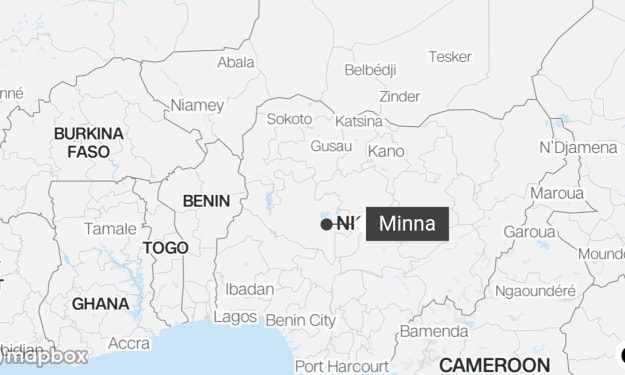
Gunmen Raid Village in Northern Nigeria, Killing at Least 30 People and Abducting Others
Northern Nigeria has once again been plunged into mourning after gunmen raided a rural village, killing at least 30 people and abducting several others, according to local authorities and residents. The deadly assault is the latest in a long series of violent attacks that have turned large parts of the region into zones of fear, displacement, and chronic instability. The incident underscores Nigeria’s deepening security crisis, where armed groups operate with alarming ease, targeting vulnerable communities and overwhelming local defenses. The Night of the Attack The attack occurred in the late hours when armed men stormed the village on motorcycles, firing indiscriminately and setting homes ablaze. Survivors described scenes of chaos as residents fled into nearby bushes in a desperate attempt to escape the violence. Witnesses say the attackers moved from house to house, killing civilians and forcibly abducting several villagers, including women and children. By the time security forces arrived, the gunmen had already retreated, leaving behind burned homes, lifeless bodies, and traumatized survivors. Local officials confirmed that at least 30 people were killed, though the death toll may rise as search efforts continue. A Region Trapped in Violence Northern Nigeria has become a hotspot for armed violence over the past decade. What began as localized criminal activity has evolved into a complex web of banditry, terrorism, and communal conflict. Armed groups — often referred to as bandits — carry out raids for ransom, cattle theft, and territorial control. Entire villages have been emptied as residents flee repeated attacks, contributing to a growing internal displacement crisis. In many areas, residents say they feel abandoned, with limited security presence and slow emergency response times. Abductions as a Weapon of Terror One of the most disturbing aspects of the attack was the abduction of villagers. Kidnappings have become a defining feature of insecurity in northern Nigeria, used both as a source of income and a tactic to instill fear. Victims are often held in remote forest camps, with families forced to negotiate ransoms they can barely afford. In some cases, abducted individuals are never seen again. Human rights organizations warn that mass abductions are becoming normalized, eroding trust in authorities and leaving communities feeling helpless. Security Forces Under Pressure Nigeria’s military and police face immense challenges in combating armed groups operating across vast and difficult terrain. While security forces have launched operations against bandits, limited resources, intelligence gaps, and difficult geography hinder sustained success. Residents often complain that security personnel arrive only after attacks have occurred. In remote villages, warning systems are weak, and communication infrastructure is limited. The latest attack has reignited criticism of the government’s security strategy, with calls for better intelligence, faster response times, and increased protection for rural communities. Humanitarian Impact and Displacement Beyond the immediate loss of life, attacks like this leave lasting humanitarian consequences. Survivors are often forced to abandon their homes, seeking refuge in overcrowded camps or neighboring towns. Food insecurity worsens as farmlands are abandoned, contributing to rising hunger across the region. Children miss school, healthcare access declines, and communities that once relied on farming and trade are pushed deeper into poverty. Aid organizations warn that without improved security, humanitarian needs in northern Nigeria will continue to grow. Government Response and Public Outrage Nigerian authorities have condemned the attack and vowed to pursue those responsible. Statements from officials emphasized the government’s commitment to restoring peace and bringing perpetrators to justice. However, public frustration is mounting. Many citizens question why attacks continue despite repeated promises of improved security. Social media platforms have been flooded with calls for accountability, reform, and stronger protection for vulnerable communities. For many Nigerians, words are no longer enough — they are demanding tangible results. The Broader Security Crisis The village raid is part of a broader national security challenge that includes insurgency in the northeast, separatist violence in the southeast, and widespread banditry in the northwest and north-central regions. Experts argue that addressing the crisis requires more than military action. Poverty, unemployment, weak governance, and the proliferation of illegal weapons all fuel instability. Without tackling these root causes, analysts warn that violence will continue to resurface in new forms and locations. Lives Lost, Questions Unanswered For the families who lost loved ones, the tragedy is deeply personal. Funerals are being held amid fear that attackers could return. Survivors grapple with trauma, loss, and uncertainty about the future. Many villagers are asking painful questions: Why was there no protection? Why do these attacks keep happening? And how many more lives must be lost before meaningful change occurs? These questions echo far beyond one village, resonating across a nation struggling to protect its citizens. Conclusion The deadly raid on a village in northern Nigeria, which left at least 30 people dead and others abducted, is a stark reminder of the country’s ongoing security crisis. It highlights the vulnerability of rural communities and the urgent need for effective, sustained solutions. Until security improves, villages will remain targets, civilians will continue to suffer, and the cycle of violence will persist. For Nigeria, the challenge is not only to respond to each attack but to create conditions where such atrocities no longer occur. The lives lost in this latest raid demand more than sympathy — they demand action, accountability, and a renewed commitment to protecting the most vulnerable.
By Muhammad Hassan5 days ago in Earth



Comments
There are no comments for this story
Be the first to respond and start the conversation.