

The Vital Role of Air
Air is an invisible, omnipresent substance that plays a crucial role in sustaining life on Earth. Although it often goes unnoticed, its composition, properties, and the effects it has on the environment and human health are significant. This essay explores the multifaceted nature of air, delving into its composition, importance to living organisms, impact on climate, and the challenges posed by air pollution.
Composition of Air
Air is a mixture of gases that envelops our planet. The primary components of air are nitrogen (approximately 78%) and oxygen (around 21%). These two gases make up the bulk of the atmosphere. The remaining 1% comprises argon, carbon dioxide, neon, helium, methane, krypton, and hydrogen, along with trace amounts of other gases. Additionally, air contains water vapor, which varies in concentration depending on the location and weather conditions.
Nitrogen, being the most abundant gas, is relatively inert and plays a crucial role in the nitrogen cycle, which is vital for the synthesis of amino acids and proteins in living organisms. Oxygen, essential for respiration, supports life by enabling the process of cellular respiration, where organisms convert glucose into energy. The small proportion of carbon dioxide in the air is also significant, as it is a key component of photosynthesis in plants and helps regulate the Earth's temperature through the greenhouse effect.
Importance to Living Organisms
Air is indispensable to all forms of life. For humans and animals, breathing is a fundamental process that supplies oxygen to the body and removes carbon dioxide. Oxygen is transported by the bloodstream to cells, where it is used to produce energy through the metabolic process known as cellular respiration. Without a constant supply of oxygen, cells would be unable to function, leading to the cessation of life.
Plants, on the other hand, rely on carbon dioxide in the air for photosynthesis, a process by which they convert light energy into chemical energy. During photosynthesis, plants absorb carbon dioxide and release oxygen, thus maintaining the balance of gases in the atmosphere. This symbiotic relationship between plants and animals is crucial for sustaining life on Earth.
Air also plays a role in the dispersion of seeds and pollen, facilitating plant reproduction and biodiversity. Additionally, various microorganisms, such as bacteria and fungi, depend on air for their survival and contribute to ecological processes like decomposition and nutrient cycling.
Impact on Climate
Air is a significant component of the Earth's climate system. The atmosphere acts as a blanket, trapping heat and maintaining the planet's temperature within a range suitable for life. This natural greenhouse effect is driven by gases such as carbon dioxide, methane, and water vapor, which absorb and emit infrared radiation, keeping the Earth's surface warm.
However, human activities have significantly altered the composition of the atmosphere, leading to an enhanced greenhouse effect and global warming. The burning of fossil fuels, deforestation, and industrial processes have increased the concentration of greenhouse gases, resulting in a rise in global temperatures. This warming has far-reaching consequences, including melting ice caps, rising sea levels, extreme weather events, and shifts in ecosystems and biodiversity.
Challenges of Air Pollution
While air is essential for life, it can also be a carrier of pollutants that pose serious health and environmental risks. Air pollution is a major global concern, with both natural and anthropogenic sources contributing to the degradation of air quality.
Natural sources of air pollution include volcanic eruptions, wildfires, and dust storms, which release particulate matter and gases into the atmosphere. However, human activities are the primary drivers of air pollution. Industrial emissions, vehicle exhaust, agricultural practices, and the burning of fossil fuels release pollutants such as sulfur dioxide, nitrogen oxides, carbon monoxide, volatile organic compounds, and particulate matter.
One of the most significant air pollutants is particulate matter (PM), which consists of tiny particles suspended in the air. PM can penetrate deep into the respiratory system, causing health issues such as respiratory infections, cardiovascular diseases, and lung cancer. Fine particulate matter (PM2.5) is particularly harmful due to its small size and ability to reach the alveoli in the lungs.
Ground-level ozone is another harmful pollutant formed by the reaction of sunlight with pollutants like nitrogen oxides and volatile organic compounds. It can cause respiratory problems, exacerbate asthma, and reduce lung function. Long-term exposure to high levels of ozone can lead to chronic respiratory diseases and decreased life expectancy.
Mitigating Air Pollution
Addressing air pollution requires concerted efforts at individual, community, national, and global levels. Governments and organizations play a crucial role in implementing policies and regulations to reduce emissions from industrial and vehicular sources. Measures such as promoting clean energy, improving fuel standards, and implementing emission control technologies can significantly improve air quality.
At the individual level, adopting sustainable practices can contribute to cleaner air. Using public transportation, reducing energy consumption, recycling, and supporting green initiatives are some ways individuals can reduce their carbon footprint and contribute to better air quality.
In addition to regulatory measures, raising awareness about the health impacts of air pollution and promoting research on cleaner technologies are essential steps in mitigating air pollution. Investing in renewable energy sources, such as solar and wind power, can reduce reliance on fossil fuels and decrease the emission of harmful pollutants.
Conclusion
Air, though invisible, is a vital component of the Earth's ecosystem, supporting life and regulating the climate. Its composition and properties make it indispensable for respiration, photosynthesis, and various ecological processes. However, human activities have significantly impacted air quality, leading to pollution and climate change. Addressing these challenges requires a collective effort to reduce emissions, promote sustainable practices, and invest in clean technologies. By understanding the importance of air and taking proactive measures, we can ensure a healthier environment and a sustainable future for generations to come.
If you need any adjustments or additional details on specific aspects, feel free to let me knowof gases surrounding our planet, is fundamental to life on Earth. Its composition, role in ecological balance, and influence on the environment underscore its importance. This essay delves into the nature of natural air, highlighting its components, functions, and the delicate balance it maintains to sustain life.
Composition of Natural Air
Natural air primarily consists of nitrogen (78%) and oxygen (21%), with the remaining 1% comprising argon, carbon dioxide, neon, helium, methane, krypton, hydrogen, and trace amounts of other gases. Water vapor, another variable component, contributes to weather patterns and the hydrological cycle.
Nitrogen, an inert gas, plays a crucial role in the nitrogen cycle, which is essential for the production of amino acids and proteins in living organisms. Oxygen, vital for respiration, supports life by enabling cells to produce energy. The small proportion of carbon dioxide in natural air is significant for photosynthesis, the process by which plants convert light energy into chemical energy, releasing oxygen and absorbing carbon dioxide.
Role in Ecological Balance
Natural air is indispensable for the survival of all living organisms. For animals, including humans, oxygen is essential for respiration. During respiration, oxygen is inhaled into the lungs, transported by the bloodstream to cells, and used to generate energy through the process of cellular respiration. This process releases carbon dioxide as a byproduct, which is then exhaled.
Plants rely on carbon dioxide for photosynthesis. During this process, they absorb carbon dioxide from the air and use sunlight to convert it into glucose, a form of chemical energy. Oxygen is released as a byproduct, which replenishes the oxygen supply in the atmosphere. This symbiotic relationship between animals and plants helps maintain the balance of gases in the air.
Air also facilitates the dispersal of seeds and pollen, promoting plant reproduction and biodiversity. Additionally, various microorganisms in the soil and water depend on natural air for their metabolic processes, contributing to nutrient cycling and ecosystem health.
Influence on the Environment
Natural air plays a significant role in regulating the Earth's climate. The atmosphere acts as a blanket, trapping heat and maintaining temperatures within a range suitable for life. Greenhouse gases like carbon dioxide, methane, and water vapor absorb and emit infrared radiation, contributing to the greenhouse effect that keeps the planet warm.
However, the delicate balance of natural air can be disrupted by human activities. Industrial emissions, deforestation, and the burning of fossil fuels increase the concentration of greenhouse gases, enhancing the greenhouse effect and leading to global warming. This warming has profound impacts on weather patterns, sea levels, and ecosystems.
Natural air also contains aerosols, tiny particles suspended in the atmosphere, which can influence climate by reflecting or absorbing sunlight. These particles can originate from natural sources such as volcanic eruptions, sea spray, and dust storms, and they play a role in cloud formation and precipitation.
Conclusion
Natural air is a complex and dynamic mixture of gases that sustains life and regulates the environment. Its composition and properties are essential for respiration, photosynthesis, and ecological balance. Understanding the importance of natural air and protecting its quality is crucial for maintaining the health of our planet and ensuring the well-being of all living organisms. As we continue to explore and utilize Earth's resources, it is imperative to recognize the value of natural air and take measures to preserve its purity for future generations.
If you need any further update
About the Creator
Keep reading
More stories from Goleti thirumal and writers in Earth and other communities.
LOTUS FLOWER
The lotus flower, revered across cultures and centuries, stands as a potent symbol of purity, enlightenment, and rebirth. Its journey from the murky depths of water to its radiant bloom on the surface is a metaphor for spiritual ascent and resilience, resonating deeply in various philosophical, religious, and artistic traditions. This essay explores the botanical characteristics, cultural significance, and symbolic meanings of the lotus flower, illuminating why it remains a timeless icon of beauty and transcendence.
By Goleti thirumal 2 years ago in Earth
When the Sky Splits Open: Living Through the Next Polar Vortex Collapse
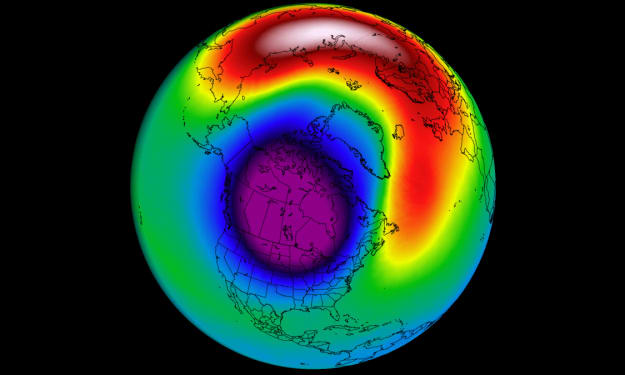
I remember the first time I learned what a “polar vortex” actually was. It was during that brutal winter of 2014, when the air outside made sound brittle and breathing almost felt like swallowing glass. The term had just entered the mainstream — a sleek, scientific label for a phenomenon that had been happening for eons but suddenly carried the power to dominate headlines and freeze half a continent in place. Now, a decade later, every forecast of a potential “vortex collapse” sets off the same chain reaction: social media panic, clickbait maps glowing blue, and a quiet dread that this time might be worse.
By Trend Vantage2 days ago in Earth
Canadian Backpacker’s Death Raises Hard Questions for Queensland’s K’gari
The tragic death of a Canadian backpacker on K’gari, the world-heritage-listed island off Queensland’s coast formerly known as Fraser Island, has reignited a difficult and emotional debate: can humans and dingoes safely coexist in a shared tourist space?
By Muhammad Hassan2 days ago in Earth



Comments
There are no comments for this story
Be the first to respond and start the conversation.