
African Wild Animals and Poaching
How do We Protect Wild Animals from Poaching?
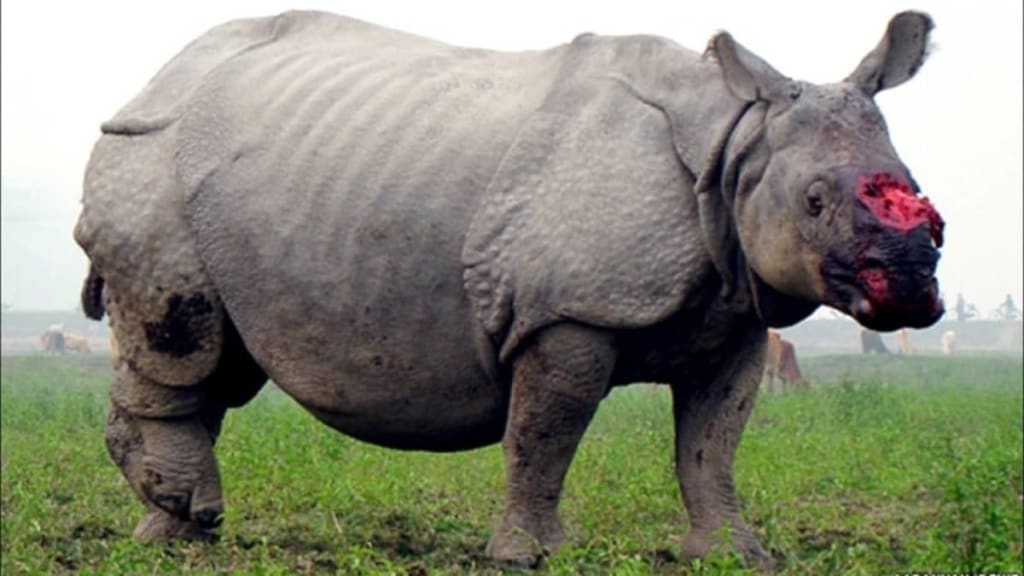
Poaching has become a huge problem in sub-Sahara Africa. In 2023 alone, some 500 Rhinos were poached in South Africa alone, 406 were killed on government properties and 93 on private reserves or farms. The 2023 figure was an increase of 51 in comparison with 449rhinos poached in 2022. What everyone wonders is why the problem persists despite numerous intervention from government. It also makes one wonder if government officials who are supposed to protect the wildlife animals are not conniving with poachers to perpetrate the heinous crimes.
Progress Made Against Poachers in Recent Times
According to the Fisheries, Forestry & the Environment Department in South Africa, the Kwa-Zulu Natal region of South Africa recorded some 49 arrests of poachers and 13 firearms seized by the country’s multi-disciplinary teams in 2024. The Kruger National Park also witnessed a 37% decrease in poaching from 2022 with a total of 78 animals poached in 2023. Fortunately, no rhinos were poached within the same period.
Government officials claimed they have stepped up patrols along the boundary fences of the national parks across the country. Also wildlife tracking devices have been attached to the bodies of the most poached animals across national parks in the country but this has not stopped the crime.
The South African Government has taken a step further in its fight against poaching by integrating its security enforcement agencies comprising of SANParks, Hawks, SAPS, and the Environmental Enforcement Fusion Center, Inspectorate of Green Scorpions, Provincial Authorities, and Customs Authorities.
Who are the Culprits?
Those arrested so far for illegal poaching in most parts of Africa are nationals of Asia, Europe, and local collaborators. Statistics revealed that most foreigners involved in the crime are from China, Singapore, Qatar, Malaysia and Vietnam.
In relation to rhino poaching prosecutions, several verdicts were handed to culprits who were arrested in 36 cases of poaching elephants and other animals. Most of the rhinos were poached for their horns which are sold in China and many other Asian countries for thousands of dollars.
While poaching in Southern parts of Africa are perpetrated mostly by foreigners, the reverse is the case in Western Africa where animals are poached for food. In Nigeria for instance, elephant population have decreased drastically since insecurity escalated in Northern parts. Insurgents who now find it difficult to find food have resorted to killing wild animals in Sambisa Forest and many other parts of the Savannah.
According to the Nigerian Forestry and Wildlife Ministry, dozens of wildlife elephants have been poached in Northern parts of Nigeria and Cameroon. In addition to animal poaching, insurgents roam along the Nigeria-Cameroon borderlands, destroying farmlands.
Which Animals Suffer Poaching?
While Rhinos and Elephants are the most poached animals in Sahara Africa, other animals including Buffalos, Impalas, Blue Wildebeest, Zebras and Antelopes have continuously been poached across countries.
What is Fueling Wild Animals Poaching?
Corruption is the main reason for animal poaching in Africa. Local collaborators are bribed in local currencies to help facilitate poaching by foreign nationals who take animal body parts like horns back to their countries and sell them at high prices.
In some countries like Zimbabwe and Namibia, starvation, caused by prolonged drought has been the major cause of animal poaching. Between August and September 2024, Namibian government had to slaughter 640 animals, including 80 elephants and shared the meats among the poorest of its citizens to feed, as the country grapples with draught.
What is the Way Forward?
Government across boards need to revisit their anti-poaching policies for the purpose of blocking loopholes exploited by poachers. Stiffer penalties may have to be imposed on poachers and their collaborators, and there is need to increase tracking devices used in monitoring the most vulnerable animals to assist security agencies in taking swift actions when recuing animals from poachers.
About the Creator
Emma Ade
Emma is an accomplished freelance writer with strong passion for investigative storytelling and keen eye for details. Emma has crafted compelling narratives in diverse genres, and continue to explore new ideas to push boundaries.
The Day the Stars Went Silent
It began without darkness. The stars still shone. On a clear Thursday night, children in deserts and cities pointed upward at familiar constellations. Satellites orbited peacefully. Aircraft crossed continents. The sky looked exactly as it had the night before.
By Abubakar2207 days ago in Earth



Comments
There are no comments for this story
Be the first to respond and start the conversation.