
African Daisy
African Daisy: The Vibrant Jewel of the Savanna
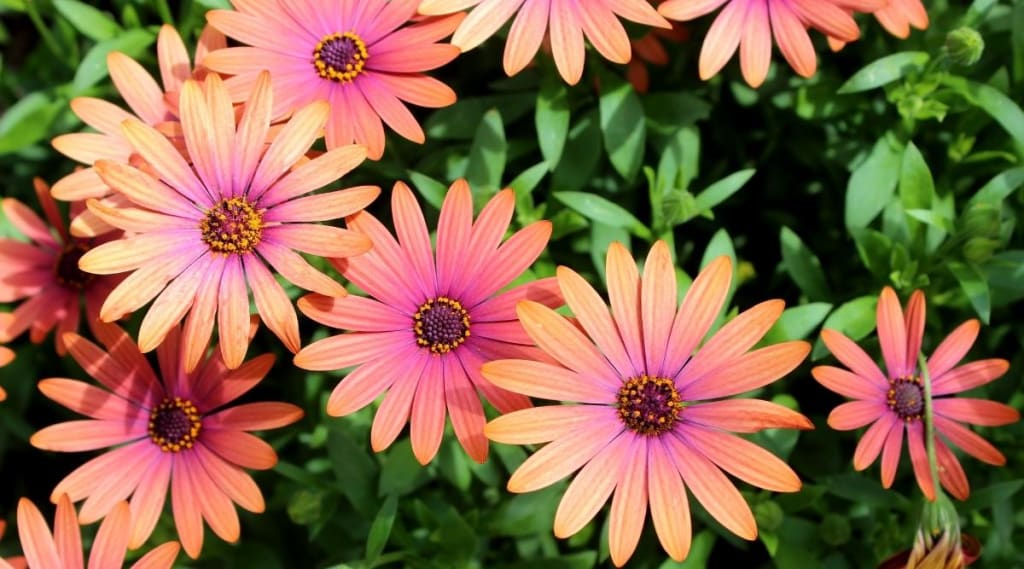
The African Daisy, scientifically known as Arctotis fastuosa, is a mesmerizing flower that adorns the landscapes of the African savanna. With its vibrant hues and captivating beauty, this species has become a beloved symbol of the continent's rich biodiversity. Let us delve into the world of the African Daisy and discover its remarkable features.
The African Daisy is a member of the Asteraceae family, which includes other popular flowers like sunflowers and daisies. Native to South Africa, this perennial plant has successfully spread its colorful presence to various regions around the world due to its remarkable adaptability.
One of the most striking features of the African Daisy is its stunning array of vibrant colors. The flower's petals come in shades of purple, pink, orange, yellow, and white, often adorned with intricate patterns and markings. This dazzling display of colors serves to attract pollinators, such as bees and butterflies, ensuring the continuation of its species.
The African Daisy possesses a unique structure that distinguishes it from other daisy varieties. Its flower head consists of a central disc of tightly packed florets surrounded by ray florets that resemble petals. This arrangement creates a visual contrast, making the African Daisy a standout among its floral counterparts.
In addition to its visual appeal, the African Daisy emits a subtle yet pleasant fragrance. The scent is often described as sweet and earthy, enhancing the sensory experience of encountering these beautiful blooms. Whether in a wild savanna or a well-tended garden, the aroma of the African Daisy adds a delightful touch to its surroundings.
A notable characteristic of the African Daisy is its ability to thrive in harsh environments. It can withstand drought conditions and is well-adapted to the arid landscapes of its native habitat. This resilience makes it a popular choice for gardeners in regions with limited water availability, as it adds a splash of color even in challenging climates.
Gardening enthusiasts appreciate the African Daisy for its low-maintenance nature. It is relatively easy to cultivate, requiring minimal care and attention. The plant prefers full sun exposure and well-drained soil, making it suitable for a variety of garden settings. Furthermore, its long blooming period, which can extend from spring to fall, ensures a continuous display of beauty throughout the seasons.
Beyond its ornamental value, the African Daisy has traditional medicinal uses. Indigenous communities in Africa have utilized various parts of the plant for their healing properties. Extracts from the leaves and flowers have been used to treat ailments such as inflammation, respiratory conditions, and skin irritations. These traditional remedies highlight the cultural significance and practical applications of the African Daisy.
Conservation efforts are crucial to preserving the African Daisy and its natural habitats. As urbanization expands and ecosystems face threats, it is essential to protect the biodiversity that sustains these remarkable flowers. Conservation organizations and botanical gardens work tirelessly to promote the cultivation, research, and preservation of the African Daisy and other endangered species, ensuring their survival for future generations.
Another remarkable aspect of the African daisy is its different varieties, each with its own unique characteristics and growth habits. The most common type is Arctotis fastuosa, also known as the African or Cape marigold. This variety boasts large, showy flowers and is highly regarded for its ornamental value. Other varieties include Arctotis stoechadifolia, which features delicate, finely divided foliage, and Arctotis grandis, which produces particularly large and striking flowers. With such diversity, there is an African daisy variety to suit every gardener's preference and aesthetic vision.
In conclusion, the African Daisy is a radiant gem that adds splendor to the African savanna and beyond. Its vibrant colors, unique structure, and adaptability make it a captivating flower that enthralls nature lovers and garden enthusiasts alike. As we appreciate the beauty of the African Daisy, let us also recognize the importance of conserving and celebrating the rich floral diversity that our planet has to offer.
About the Creator
Keep reading
More stories from Asiphile George and writers in Earth and other communities.
"Beyond Reality: Exploring the Wonders of the Imagination World"
Imagination, a remarkable facet of the human mind, holds the power to transcend the limitations of reality and create boundless worlds of wonder. It is a unique cognitive ability that allows us to perceive, conceive, and construct ideas, images, and scenarios beyond what our senses perceive. From the imaginative play of childhood to the artistic endeavors of adulthood, imagination plays an essential role in shaping our lives and enriching our experiences. In this essay, we will delve into the multifaceted nature of imagination, exploring its cognitive mechanisms, its impact on creativity and problem-solving, and its profound significance in various aspects of human existence.
By Asiphile George3 years ago in Art
Niagara Falls: A Living Story of Power, History, and Human Wonder
Niagara Falls is one of those rare places where nature doesn’t just impress you—it overwhelms you. It’s a place where the earth’s ancient past meets the dreams of millions who stand at its edge, feeling the mist on their skin and the thunder in their bones. Stretching across the border of Ontario, Canada, and New York State in the United States, Niagara Falls has become one of the most visited natural wonders in North America, drawing more than 14 million people every year.
By Haroon Pasha8 days ago in Earth



Comments
There are no comments for this story
Be the first to respond and start the conversation.