
Advancements in Battery Technology: From Longer Life to Faster Charging
Exploring Cutting-Edge Research and Future Possibilities
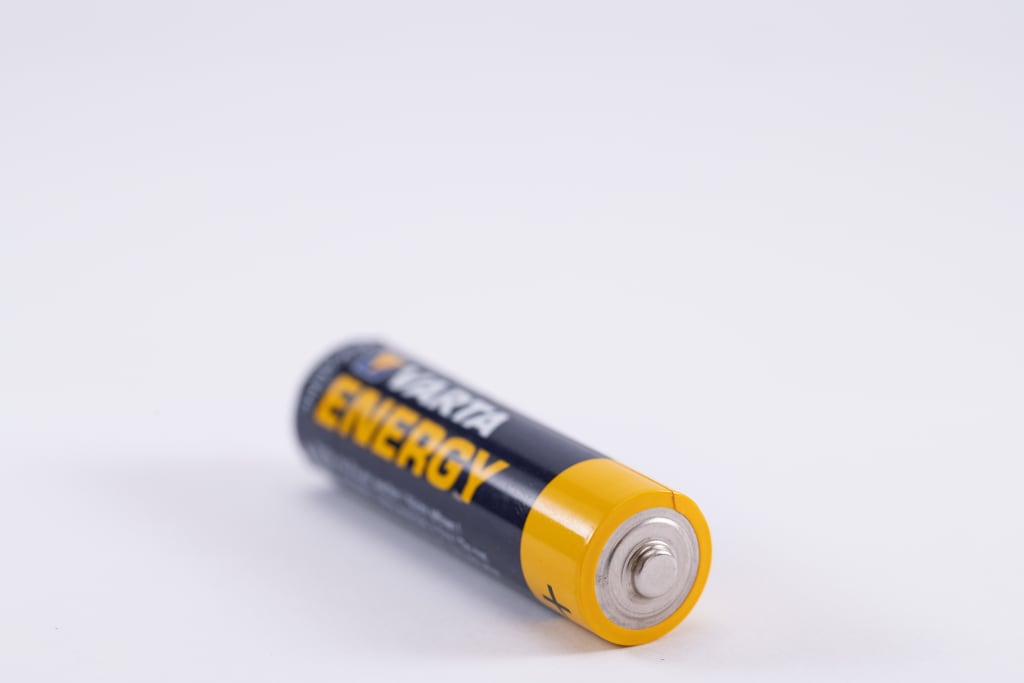
In today's fast-paced world, battery technology plays a crucial role in powering our devices, from smartphones and laptops to electric vehicles and renewable energy storage. Over the years, there have been remarkable advancements in battery technology, focusing on two key aspects: longer battery life and faster charging. These developments have revolutionized the way we use and depend on batteries in our daily lives. In this article, we will delve into the recent breakthroughs and innovations that have paved the way for longer-lasting batteries and lightning-fast charging times.
Improving Battery Life
Battery life has long been a concern for users, especially in the era of power-hungry devices. However, recent advancements have made significant strides in enhancing the longevity of batteries. One noteworthy development is the use of advanced materials, such as lithium-ion and solid-state batteries.
Lithium-ion batteries have become the industry standard for portable electronics and electric vehicles due to their high energy density and longer cycle life. Researchers have been working on improving the performance of lithium-ion batteries by optimizing the composition of their cathodes, anodes, and electrolytes. This has resulted in increased energy storage capacity and improved overall battery life.
Solid-state batteries, on the other hand, offer a promising alternative to traditional lithium-ion batteries. These batteries replace the liquid electrolyte found in lithium-ion batteries with a solid-state electrolyte, which improves safety and energy density. Solid-state batteries can also have longer lifespans due to their improved stability and reduced risk of dendrite formation, a common cause of battery failure.
Furthermore, advancements in battery management systems (BMS) have contributed to longer battery life. BMS technology monitors and controls the charging and discharging processes, ensuring optimal performance and preventing overcharging or discharging. Sophisticated algorithms and machine learning techniques have been employed to enhance the efficiency of BMS, resulting in a prolonged battery lifespan.
Faster Charging
While longer battery life is essential, faster charging is equally important to minimize downtime and improve user convenience. Waiting for hours to charge a device or an electric vehicle can be frustrating, but recent innovations have tackled this challenge head-on.
One of the breakthroughs in fast-charging technology is the introduction of gallium nitride (GaN) and silicon carbide (SiC) materials in power electronics. These materials enable higher power conversion efficiency, reducing energy loss during the charging process. As a result, devices equipped with GaN or SiC chargers can charge at a much faster rate compared to traditional chargers.
Additionally, new charging protocols, such as USB Power Delivery (USB PD), have emerged to facilitate faster charging. USB PD is a universal charging standard that allows devices to negotiate the optimal power delivery, enabling faster charging without compromising safety. Many smartphones, laptops, and other portable devices now support USB PD, making fast charging more accessible and convenient.
Moreover, advanced charging algorithms and smart charging technologies have been developed to optimize the charging process further. These algorithms analyze the battery's state, temperature, and other parameters to adjust the charging current and voltage accordingly. This adaptive charging approach ensures efficient charging while protecting the battery from damage and overheating.
Beyond Traditional Batteries
In recent years, researchers and engineers have explored alternative battery technologies to overcome the limitations of traditional lithium-ion batteries. Some of these innovative solutions show great promise for the future of energy storage.
One example is the development of solid-state batteries, as mentioned earlier. Solid-state batteries offer not only longer battery life but also improved safety, as they are less prone to thermal runaway and other hazardous conditions associated with liquid electrolytes. Although solid-state batteries are still in the research and development phase, they hold the potential to revolutionize battery technology and enable further advancements in various industries.
Additionally, researchers have been exploring the use of alternative materials, such as lithium-sulfur and lithium-air batteries, which offer higher energy densities than traditional lithium-ion batteries. Lithium-sulfur batteries, for instance, can store more energy due to the higher capacity of sulfur as a cathode material. However, challenges such as sulfur's tendency to dissolve in the electrolyte and the need for stable electrode structures still need to be overcome for practical implementation.
Furthermore, emerging technologies like flow batteries and supercapacitors are being developed for large-scale energy storage applications. Flow batteries store energy in liquid electrolytes contained in external tanks, allowing for scalable energy storage solutions. Supercapacitors, on the other hand, offer rapid charging and discharging capabilities but have lower energy densities compared to batteries. However, advancements in supercapacitor technology aim to bridge this energy density gap and make them more viable for various applications.
Advancements in battery technology have brought about significant improvements in both battery life and charging times. Through the use of advanced materials, such as lithium-ion and solid-state batteries, we have witnessed longer-lasting batteries with improved energy densities. Furthermore, the integration of gallium nitride (GaN) and silicon carbide (SiC) materials in chargers, along with the development of fast-charging protocols and adaptive charging algorithms, has made fast charging a reality.
Looking ahead, ongoing research and development efforts focus on exploring alternative battery technologies and materials, such as solid-state batteries, lithium-sulfur batteries, and flow batteries. These innovations hold great promise for further enhancing energy storage capabilities and addressing the increasing demand for more efficient and sustainable power solutions.
As battery technology continues to evolve, we can expect even longer battery life, faster charging times, and safer energy storage solutions. These advancements not only benefit portable electronics and electric vehicles but also contribute to the growth of renewable energy storage systems, enabling a greener and more sustainable future. With each new breakthrough, we move closer to a world where batteries power our lives more effectively and efficiently than ever before.
About the Creator
Keep reading
More stories from Samuel Aballa and writers in Earth and other communities.
Cybersecurity in the Digital Age: Protecting Data and Privacy
In today's interconnected world, where digital technologies permeate every aspect of our lives, cybersecurity has become an essential concern. The rapid advancement of technology has brought immense convenience, but it has also exposed individuals, businesses, and governments to various threats. In this article, we will delve into the importance of cybersecurity in the digital age and explore effective strategies for protecting data and privacy.
By Samuel Aballa3 years ago in Earth
The Jewel of the Earth: How the Kaaba Shines Like a Diamond from Space
In the vast, silent expanse of the cosmos, where the Earth appears as a delicate blue marble against the infinite black of the universe, certain landmarks stand out with unexpected brilliance. Recently, a series of high-resolution images captured from the International Space Station (ISS) and advanced satellite arrays have left the global community in awe. The focal point? Masjid al-Haram in Mecca. From hundreds of miles above, the "House of Allah" does not just appear as a building; it radiates a piercing, crystalline glow, resembling a diamond set into the heart of the desert.
By Irshad Abbasi 4 days ago in Earth




Comments
There are no comments for this story
Be the first to respond and start the conversation.