
A World Unraveling
Exploring the Far-Reaching Consequences of Climate Change on Ecosystems and Solutions

Introduction
In recent decades, the consequences of climate change have become increasingly evident, as our planet experiences rising temperatures, melting glaciers, extreme weather events, and the loss of biodiversity. These changes are not only affecting human societies but also unraveling ecosystems worldwide. This article delves into the far-reaching consequences of climate change on ecosystems and explores potential solutions to mitigate and adapt to this global crisis.
The Unraveling Web of Life
Ecosystems, characterized by the intricate interplay between living organisms and their physical environment, are under immense strain due to climate change. The warming of the Earth is disrupting delicate ecological balances, resulting in the decline of numerous species and the alteration of natural habitats. Coral reefs, for example, are experiencing widespread bleaching events due to warmer ocean temperatures, leading to the loss of vibrant marine ecosystems and the collapse of intricate food chains. Similarly, melting polar ice caps threaten iconic species like polar bears and penguins, as their habitats vanish along with the retreating ice.
The repercussions extend far beyond charismatic species. Climate change disrupts the timing of natural events, such as the flowering of plants or the arrival of migratory birds, leading to mismatches in food availability and declining populations. This can have cascading effects on other organisms that depend on these events, resulting in the unraveling of entire ecosystems.
Disrupted Ecosystem Services
Ecosystems provide vital services that support human well-being and survival. Climate change jeopardizes these services, posing significant challenges for human societies. Forests, acting as carbon sinks, help regulate the global climate by absorbing vast amounts of carbon dioxide. However, deforestation and forest degradation, exacerbated by climate change, compromise this capacity, leading to increased greenhouse gas emissions and further warming.
Additionally, ecosystems play a crucial role in regulating water resources. Changing rainfall patterns and increased evaporation rates due to higher temperatures disrupt water cycles, resulting in droughts, water scarcity, and reduced agricultural productivity. These impacts not only threaten food security but also increase the vulnerability of communities to natural disasters and conflicts over limited resources.
Solutions for a Resilient Future
Addressing the consequences of climate change on ecosystems requires a multifaceted approach. Mitigation efforts aim to reduce greenhouse gas emissions and limit further warming, while adaptation measures seek to enhance the resilience of ecosystems and communities to the changes that are already underway.
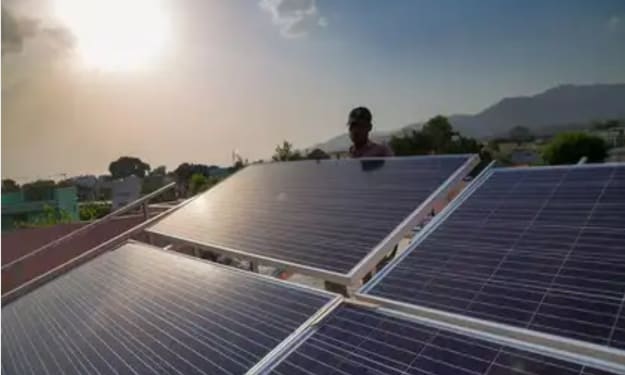
Transitioning to renewable energy sources, such as solar and wind power, is crucial in mitigating climate change. Additionally, protecting and restoring natural habitats, including forests, wetlands, and coastal areas, can help sequester carbon and safeguard biodiversity. Sustainable land management practices, such as agroforestry and regenerative agriculture, can enhance soil health and increase carbon storage, contributing to climate mitigation and food security.
Furthermore, building resilience in ecosystems and communities is essential. This involves implementing nature-based solutions, such as creating green infrastructure, which can help mitigate flooding, regulate water supplies, and provide habitats for biodiversity. Integrating traditional knowledge and local community participation is also crucial in developing effective adaptation strategies that address the specific needs and vulnerabilities of different regions.
Conclusion
Climate change is unraveling ecosystems around the world, posing a profound threat to biodiversity and human well-being. The consequences range from the loss of iconic species and disrupted food chains to compromised ecosystem services and increased vulnerability to natural disasters. However, by implementing a combination of mitigation and adaptation measures, we can forge a more resilient future. Transitioning to renewable energy, conserving and restoring natural habitats, and integrating nature-based solutions can help us mitigate the effects of climate change and protect the intricate web of life on our planet. It is a collective responsibility to take action now to safeguard ecosystems and ensure a sustainable and thriving future for generations to come.
About the Creator
Keep reading
More stories from Juliet Udeagulu and writers in Earth and other communities.
The impacts of climate change on global ecosystems
Once, in a land untouched by the ravages of climate change, there existed a vibrant and diverse ecosystem. Majestic forests stretched as far as the eye could see, teeming with life. Crystal-clear rivers meandered through lush meadows, providing a lifeline for countless species. And in the depths of the oceans, coral reefs bloomed with a kaleidoscope of colors, a mesmerizing tapestry of life.
By Juliet Udeagulu3 years ago in Earth
Half of World’s CO2 Emissions Come From Just 32 Fossil Fuel Firms, Study Shows
A groundbreaking new study has revealed that 32 fossil fuel companies are responsible for half of global carbon dioxide emissions since the industrial era began. The findings highlight the outsized influence of major oil, gas, and coal producers on climate change, and raise urgent questions about accountability, regulation, and the transition to cleaner energy.
By Aarif Lashari6 days ago in Earth
“Do Not Copy This Site’s Content”: Why Originality Matters More Than Ever in the Digital Age
“Do not copy this site’s content.” It’s a warning most internet users have seen countless times, often at the bottom of webpages or buried in terms and conditions. Many scroll past it without a second thought. But in today’s digital world, that simple sentence carries far more weight than people realize.
By Muhammad Hassan2 days ago in Earth
Rage
Content Warning: Domestic Violence, Assault Rage D. A. Ratliff “Who did this?” My voice echoed through the house. All I wanted was a cup of tea, but one of the twins, running through the house like maniacs, knocked it over. My nerves tingled, and every muscle in my body felt coiled like a spring. Survival seemed out of reach.
By D. A. Ratliff7 days ago in Fiction


Comments
There are no comments for this story
Be the first to respond and start the conversation.