
A Trail of Devastation Across the Southeast
Storm Leaves Thousands Homeless and Powerless

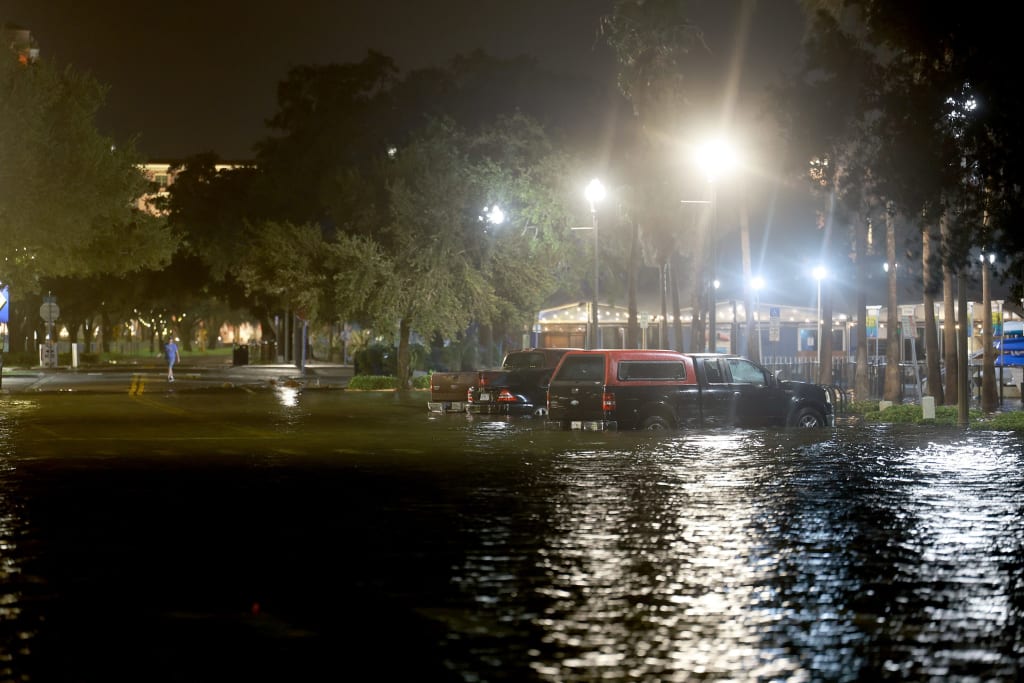
Tallahassee, Florida - September 29, 2024 - Hurricane Helene, a powerful storm that made landfall in Florida on September 28th, has left a trail of devastation across the southeastern United States. The storm brought torrential rains, high winds, and a storm surge that caused widespread flooding and damage.
As of Sunday morning, the death toll from Hurricane Helene has risen to 15, with several people still missing. The storm's impact was particularly severe in the Florida Panhandle, where it made landfall with winds of over 100 miles per hour. Coastal communities were inundated by the storm surge, leading to widespread property damage and evacuations.
"This is a major disaster," said Florida Governor Ron DeSantis. "We are mobilizing all available resources to respond to the emergency and provide assistance to those affected by the storm."
The storm's path took it inland, where it continued to bring heavy rainfall and strong winds. This led to widespread flooding in parts of Georgia, South Carolina, and North Carolina. Thousands of people have been displaced by the flooding, and many are still without power.
The National Weather Service has warned of the potential for additional flooding as rivers and creeks continue to rise. There are also concerns about landslides in areas that have been affected by heavy rainfall.
Emergency crews have been working around the clock to rescue people from flooded areas and provide essential supplies. The American Red Cross has opened shelters to accommodate those who have been displaced by the storm.
"The devastation caused by Hurricane Helene is heartbreaking," said Red Cross CEO Gail McGovern. "Our hearts go out to those who have lost their homes and loved ones."
In addition to the human cost, Hurricane Helene has also caused significant economic damage. The storm has disrupted businesses, closed schools, and damaged infrastructure. The full extent of the economic damage is still being assessed.
The recovery from Hurricane Helene will be a long and difficult process. It will require a coordinated effort from federal, state, and local governments, as well as from private organizations and individuals.
As the storm continues to move inland, there is a risk of additional flooding and damage. It is important for people in affected areas to stay informed about the latest weather updates and to follow the instructions of local officials.
Global Weather Extremes: A Year of Natural Disasters
While Hurricane Helene ravaged the southeastern United States, other parts of the world have also been grappling with extreme weather events. Here are some notable examples:
- Heatwaves in Europe: Parts of Europe experienced record-breaking heatwaves this summer, leading to wildfires, heat-related illnesses, and agricultural losses. Countries like France, Spain, and Italy faced severe heatwaves that strained their power grids and healthcare systems.
- Floods in Asia: Heavy rainfall in various parts of Asia has resulted in devastating floods. Countries such as India, Pakistan, and China have experienced widespread flooding, displacing millions of people and causing significant damage to infrastructure.
- Wildfires in Australia: Australia has been battling a series of devastating wildfires in recent years. The fires have destroyed vast tracts of forests, threatened wildlife, and caused air pollution.
- Droughts in Africa: Several regions in Africa have been experiencing severe droughts, leading to water shortages, food insecurity, and conflict. Countries like Ethiopia, Somalia, and Kenya have been particularly hard-hit by the drought.
These extreme weather events are a stark reminder of the increasing frequency and intensity of natural disasters. Climate change is playing a significant role in driving these changes, and the impacts are being felt by communities around the world.
Addressing climate change is essential to mitigating the risks posed by extreme weather events. This will require a global effort to reduce greenhouse gas emissions, invest in renewable energy, and build climate resilience.
About the Creator
Kelly Munala Brookes
ɪᴛ'ꜱ ɴᴇᴠᴇʀ ᴡʀᴏɴɢ ᴛᴏ ᴅʀᴇᴀᴍ
▬▬▬▬▬▬▬▬▬▬▬▬▬▬
ɴᴀᴍᴇ: ᴋᴇʟʟʏ ᴍᴜɴᴀʟᴀ ʙгᴏᴏᴋᴇꜱ
ʙɪʀᴛʜᴅᴀʏ: ᴀᴜɢᴜꜱᴛ 10
ɢᴇɴᴅᴇʀ: ᴍᴀʟᴇ
▬▬▬▬▬▬▬▬▬
✎ ᴄᴏɴᴛᴇɴᴛ ᴄʀᴇᴀᴛᴏʀ
✎ ᴡʀɪᴛᴇʀ
✎ ᴘᴏᴘ ᴍᴜꜱɪᴄ ꜱɪɴɢᴇʀ
✎ ᴡᴇʙ ᴅᴇꜱɪɢɴᴇʀ
✎ ᴄʀʏᴘᴛᴏᴄᴜʀʀᴇɴᴄʏ ᴄᴏᴀᴄʜ
✎ ᴍᴇɴᴛᴀʟ ʜᴇᴀʟᴛʜ ᴄᴏᴀᴄʜ
✎ ᴀɴɪᴍᴀᴛᴏʀ
▬▬▬▬▬▬▬▬▬▬▬▬▬▬
Keep reading
More stories from Kelly Munala Brookes and writers in Earth and other communities.
Europa Clipper: A Mission of Exploration, Not Discovery
Pasadena, California - September 28, 2024 - NASA's highly anticipated Europa Clipper mission, set to launch in 2024, is poised to embark on a groundbreaking journey to Jupiter's icy moon, Europa. While public excitement has often centered on the possibility of finding extraterrestrial life, the mission's primary objective is to investigate the conditions that could support life on Europa, rather than directly searching for it.
By Kelly Munala Brookesabout a year ago in Earth
Echoes
I stepped carefully around the corner, the familiar sights and sounds hitting me like a brick to the face. My eyes watered. I could practically see us, all of us, back then, clustered around the outdoor tables in front of the pizza shop, the bar, the coffee shop. I could smell the various stalls from the events we’d been to on this street. I could taste the churros and nachos.
By Phoenixica246 days ago in Fiction



Comments (1)
Great news reporting. I believe a higher power is trying to tell us something.