
A Natural Wonder and its Climate
The Serengeti Plains in Eastern Africa, and its amazing tropical climate

The Serengeti Plains, located in East Africa, is a vast and enchanting landscape that has captivated the hearts of explorers, scientists, and wildlife enthusiasts for centuries. Stretching across approximately 30,000 square kilometers in Tanzania and extending into Kenya, this breathtaking ecosystem is home to an incredible diversity of plant and animal species. From its remarkable wildlife to its ever-changing weather patterns, the Serengeti Plains offer a unique experience that should not be missed.
The climate of the Serengeti Plains is a key factor in shaping the ecosystem and determining the movements of its inhabitants. It exhibits a distinct dry and wet season, each playing a crucial role in the cycle of life within the region. The dry season typically begins in June and lasts until October, while the wet season extends from November to May.
During the dry season, the Serengeti Plains undergo a transformation as water sources become scarce and the landscape takes on a golden hue. The temperature during this period is generally warm, with average highs ranging from 25 to 30 degrees Celsius (77 to 86 degrees Fahrenheit). The scarcity of water forces wildlife to congregate around the remaining watering holes, resulting in breathtaking animal migrations and some of the most spectacular wildlife viewing opportunities in the world.
One of the most iconic events in the Serengeti is the Great Migration, where millions of wildebeest, zebras, and other herbivores travel in search of greener pastures. This incredible journey occurs during the dry season when the animals make their way from the southern Serengeti to the northern plains. Visitors during this time are treated to awe-inspiring sights as they witness the immense herds crossing rivers and grasslands, all while predators lie in wait for their opportunity to strike.
However, it's worth noting that the dry season can also be quite dusty, and vegetation becomes sparse, which may limit the variety of wildlife sightings. Nevertheless, for those seeking an unparalleled wildlife experience and the chance to witness one of nature's greatest spectacles, visiting the Serengeti Plains during the dry season is an absolute must.
On the other hand, the wet season brings about a dramatic transformation in the Serengeti. Starting in November, the rains breathe life back into the plains, turning the once-dry landscape into a lush, verdant paradise. The temperature during this time ranges from 20 to 25 degrees Celsius (68 to 77 degrees Fahrenheit) and humidity levels increase.
The wet season is characterized by brief but intense afternoon thunderstorms, which rejuvenate the land and fill the rivers and watering holes. The plains come alive with vibrant vegetation, attracting an abundance of herbivores and their young. This period offers a different but equally mesmerizing experience, with the opportunity to see newborn animals taking their first steps in the wild.
Bird enthusiasts will also find the wet season particularly rewarding, as numerous migratory bird species flock to the Serengeti, showcasing a colorful display of plumage and unique calls. The wet season allows for more diverse wildlife sightings, including predators such as lions and cheetahs, as they take advantage of the abundance of prey.
Choosing the best time to visit the Serengeti Plains ultimately depends on personal preferences and the experiences one hopes to encounter. For those who wish to witness the Great Migration and the remarkable displays of wildlife during this awe-inspiring event, the dry season from June to October is the ideal time. However, if the allure of vibrant landscapes, newborn animals, and an array of bird species appeals more, then the wet season from November to May is the perfect choice.
Regardless of the season, the Serengeti Plains promise a remarkable adventure that will leave travelers in awe of nature's wonders. Whether you embark on a safari, traverse the expansive savannahs, or simply immerse yourself in the tranquil beauty of the Serengeti, this extraordinary ecosystem will undoubtedly leave an indelible mark on your soul.
To truly make the most of your visit to the Serengeti Plains, it is advisable to plan ahead and consider a few essential factors. Firstly, be aware of the peak tourist seasons, as they can significantly impact your experience. The dry season, with its incredible wildlife sightings and the Great Migration, tends to attract a larger number of visitors. Therefore, if you prefer a quieter and more intimate encounter with nature, consider visiting during the shoulder seasons, such as May or October.
Secondly, pack accordingly for the climate. In the dry season, lightweight, breathable clothing and a hat to protect against the sun are essential. Don't forget to bring sunscreen and insect repellent as well. In the wet season, be prepared for occasional rain showers by packing a waterproof jacket, sturdy walking shoes, and quick-drying clothing. Embrace the opportunity to witness the Serengeti in its lush, green splendor, but ensure you have appropriate gear to stay comfortable.
Furthermore, consider the specific regions within the Serengeti Plains that you wish to explore. The northern Serengeti, bordering Kenya's Maasai Mara, is renowned for its river crossings during the Great Migration. This area is particularly captivating between July and October, when the wildebeest herds traverse the crocodile-infested waters of the Mara River. In contrast, the central and southern regions offer excellent wildlife sightings throughout the dry season, with vast open plains and picturesque acacia tree-studded landscapes.
If you are an avid bird enthusiast, the wet season presents an ideal opportunity to witness a plethora of migratory bird species. The Serengeti's wetlands and rivers become a haven for birds, showcasing their vibrant plumage and enchanting melodies. Keep your binoculars handy to admire the diverse avian residents that call this ecosystem home.
While climate plays a crucial role in planning your visit to the Serengeti Plains, it is important to note that weather patterns can be unpredictable. Therefore, it is advisable to consult with local tour operators or travel agencies for the most up-to-date information and to make informed decisions regarding your travel dates and itinerary.
In conclusion, the Serengeti Plains beckon adventurers from around the globe with its awe-inspiring landscapes and remarkable wildlife. Whether you choose to witness the Great Migration during the dry season or immerse yourself in the vibrant renewal of life during the wet season, this captivating ecosystem will leave you in awe of nature's grandeur. Pack your bags, prepare your camera, and embark on an unforgettable journey to the Serengeti, where the splendor of the plains and the majesty of its inhabitants await your arrival.
About the Creator
Keep reading
More stories from Louis Daffa and writers in Earth and other communities.
Tale of A Maasai Boy
In the heart of the African savannah, where the golden grass stretches as far as the eye can see, lived a young Maasai boy named Lekai. Lekai belonged to a proud and ancient tribe known for their courage, strength, and deep connection to the land and its creatures.
By Louis Daffa3 years ago in Earth
True Happiness
On a sturdy apple tree, a mother dove lived peacefully with her tiny baby. The tree provided them with shelter, shade, and a sense of security. Every day, the mother dove would watch over her little one, teaching it to flap its wings, coo softly, and enjoy the calm of the natural world. Life had been simple, quiet, and safe for them, and she felt content in the little world that belonged entirely to her and her chick.
By Sudais Zakwana day ago in Earth
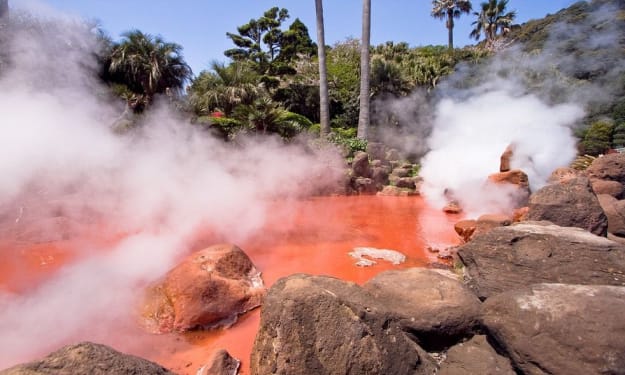
Take a Roundtrip to Hell and Back
The Acheron River in Greece got its name from a river in Greek mythology located in the underworld of Hades and associated with woes and pain. The river flows through the region of Epirus in northwestern Greece and flows into the Ionian Sea at Ammoudia.
By Rasma Raisters2 days ago in Earth



Comments
There are no comments for this story
Be the first to respond and start the conversation.