
A Natural Procedure to Grow Healthy and Delicious Tomatoes
How to Grow Tomatoes (Without Synthetic Fertilizers)

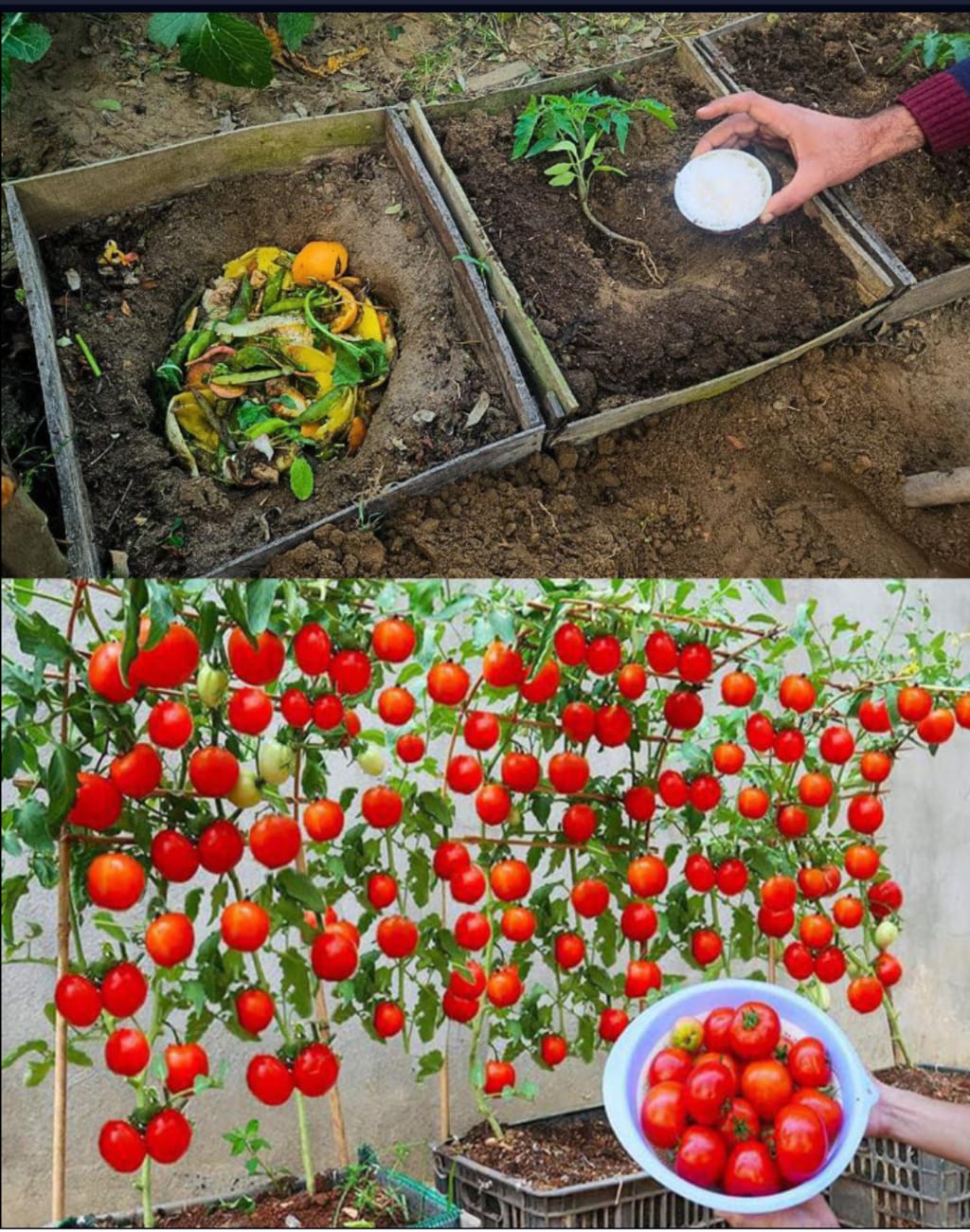
Growing tomatoes is one of the most gratifying and rewarding projects for both experienced and novice gardeners. However it is also a challenge to have nice, healthy and productive plants.
While many gardeners turn to chemical fertilizers to promote growth, there is a more sustainable, completely natural method that ensures a healthier more flourishing garden. These organic methods will allow you to reap delicious tomatoes without synthetic chemicals.
While building a bountiful garden. This guide will take you through a proven step by step process that will promote healthy growth and guarantee the sweet, succulent flavor for which tomatoes are known.
Step 1
Dig a deep hole for your transplant
Preparing the planting area is essential in planting healthy tomatoes. In ground, raised beds, or big pots you need to dig a deep hole. I plan to make this deep enough for a couple of liters of natural fertilizers, which will provide nutrients to the plants for a long time.
If you're using raised beds with open bottoms, the roots will have the benefit of tapping the deeper soil layers, which results in a healthier and better watered plant. Planting deeper also provides plenty of space for roots to spread and grow.
How to Enrich the Soil with Organic Kitchen Waste
Instead of using synthetic fertilizers one of the best ways to enrich your tomato plants with nutrients is to use organic kitchen waste.
Can I use it?
Vegetable peels, fruit skins, dry leaves, and other biodegradable scraps. These materials decompose slowly, over time, adding nutrients to the soil, just like they would in a natural forest setting.
It is worth mentioning you should not add cooked food, dairy or meat because they can attract pests and release unpleasant odors. Only add plant based kitchen waste this will nourish your tomatoes in a lasting way and won't attract other problems.
Step 2
Increase growth with Epsom salt
Before piling on the organic waste, the next step is to enrich the soil with Epsom salt. This low cost ingredient is rich in magnesium and sulfur, minerals that are critical in overall plant growth.
Magnesium helps photosynthesis and thus helps the tomato plant use sunlight. This means healthier, lusher foliage. Sulfur, meanwhile,helps the plant take up nutrients while also boosting the tomatoes' flavor. Use a very small amount, so use it sparingly if you do not want to overload the soil.
Step 3
Top With Nutrient Rich Compost
After adding the organic waste and the Epsom salt it's time to put at least a foot of compost on top. Compost is full of beneficial microorganisms that will help break down organic matter faster so that plants can access nutrients sooner.
Moreover, the soil's structure gets enhanced, leading to well aerated soil and improved soil fertility.
Spread the compost over the organic matter as uniformly as possible so that nutrients are evenly distributed. This is an important part of stimulating even growth and keeping your plants healthy without excess nutrients that could damage them.
Step 4
Top with Soil and Prepare the Place to Plant
Once the compost layer is added, it's time to cover the materials with the soil you removed from the hole originally. Slightly push down to remove air bubbles and to flatten the top.
This process prevents nutrient loss from rain or irrigation and retains moisture, You could also layer another thin layer of compost on top, as it will act as a slow release fertilizer supplying you with steady nutrition through the growing season.
Step 5
Plant Your Tomato Seedlings
Now that your planting hole is prepared it's time to put your tomato seedlings in the ground. For best results, select healthy, vigorous plants. When planting, bury seedlings deeper than you might otherwise plant.
Tomatos are unique in that when they are buried up to the leaf buds, they will grow roots on the stem spreading out the roots, making for a more robust plant.
Deeper planting promotes a strong, deep root system that allows the plant to better cope with adversity such as drought, pests, and disease pressures
Water with Compost Tea to Get the Most Beneficial Results
Water your tomato plants with compost tea to feed the soil and give your tomatoes the best start possible. Soil is composed of minerals, organic matter, water, and air, which are necessary for plants and other Arabica plant specific microorganisms in the environment, and this natural liquid fertilizer not only meets the requirements but also works in synergy to promote healthy plant growth.
Compost Tea
Soak the compost in water for a few hours, which will create a stew rich in nutrients. Strain the mixture,and use the liquid to water the soil around your tomato plants.
Being able to cut away slowly rotting plants helps you realize they can withstand more, and the compost tea will make those plants stronger and the soil healthier also something to help ward off common tomato diseases so your plants have no need to fade and die away as the season progresses.
Thank you so much for reading my work,
Any feedback or support that you have to offer is accepted and appreciated.
About the Creator
Keep reading
More stories from Rohitha Lanka and writers in Earth and other communities.
At Least 22 Dead as Crane Collapses Onto Train in Thailand
Thailand has been plunged into mourning after a devastating accident in which a construction crane collapsed onto a moving passenger train, killing at least 22 people and injuring dozens more. The incident, described by officials as one of the deadliest infrastructure-related accidents in recent years, has raised urgent questions about construction safety, urban development, and oversight in the country.
By Aarif Lashari5 days ago in Earth
A Dart at Dusk
Seconds ago, the sullen sun set on the two of us… my exuberant furry companion and me. A fresh breeze embraces us, delivering welcome relief from the day’s oppressive heat. His typical stumbling and staggering along — apace with a sloth — has turned into trip-trapping, high-stepping, almost skipping along.
By Angie the Archivist 📚🪶5 days ago in Petlife


Comments (2)
Thank you so much for reading my work, Any feedback or support that you have to offer is accepted and appreciated.
Thank you so much for tomato tips! I've tried to grow tomatoes and replant with very little luck. The bugs got into them last year. The plants and fruit look so healthy in your pictures :)