
A Journey Through Nature’s Beauty and Wisdom.
"Explore Timeless Vistas, Wild Wonders, and the Lessons Nature Teaches Across the Globe"
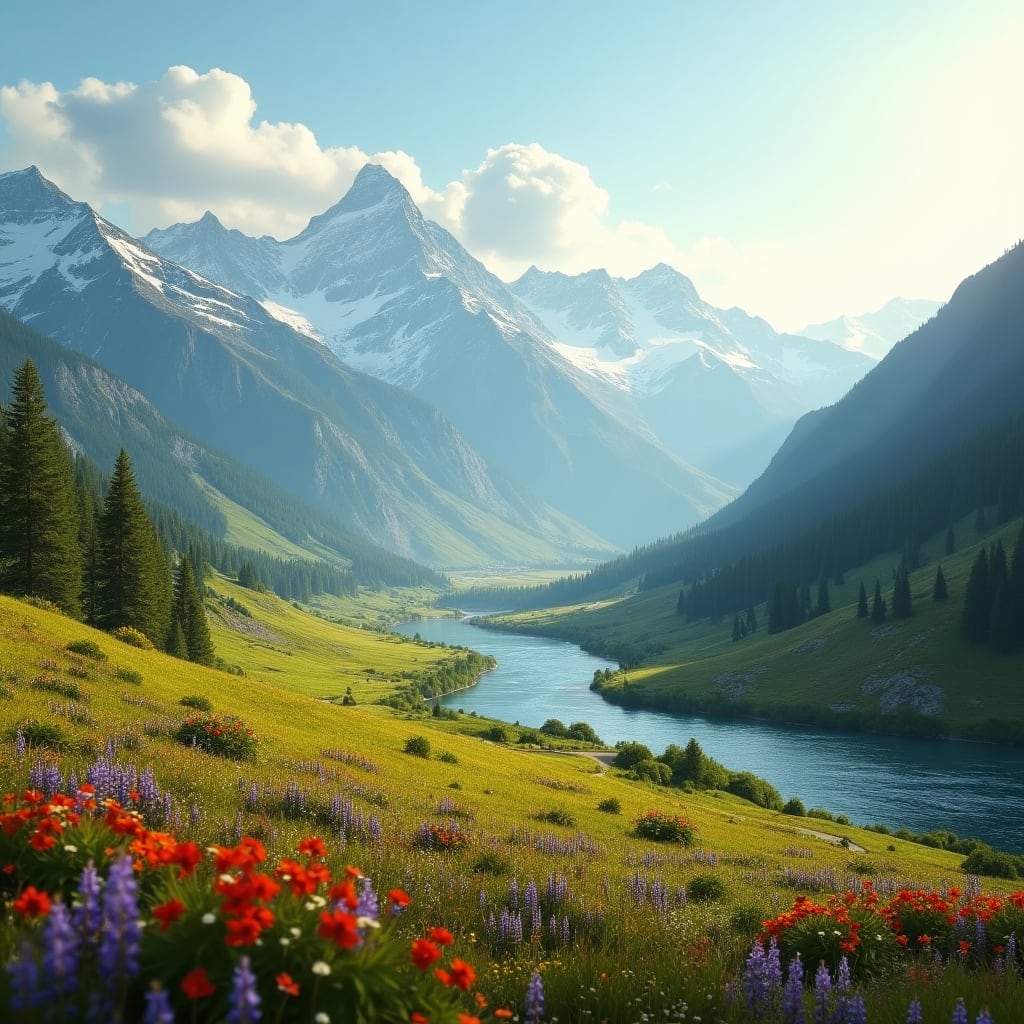
🌅 The Call of Dawn.
The world stirs softly before sunrise. At the edge of a mountain ridge, you stand breathless as day dawns. A hush enfolds the landscape—birdsong is delicately woven into the hum of cooling earth. Mists cling to pines, and petals of wildflowers glisten with dew, each drop refracting the first golden blush of morning.
In such moments, nature seems alive—not silent or still—but vibrant and urgent. The breeze carries whispers: “Begin here.” The world feels full of possibility, as if every leaf, stone, and trickling stream holds a secret waiting to be heard.
This, at its essence, is what nature writing seeks to capture: linguistic embodiment of landscapes, sounds, scents, and the emotional undercurrent beneath. It uses all five senses to immerse the reader in the wild world, transforming a simple scene into a resonant experience.
🌲 Forests as Teachers.
Further along a winding trail encircled by ancient trees, you enter a forest alive with texture. The bark of oak and cedar is rough under fingertips. Moss cushions hidden roots. Sunlight filters through foliage in dancing emerald patterns. The air is rich with the sap-sweet scent of pine and earthy damp.
Here, nature writes its lessons in living ink: resilience, interdependence, cycles. Branches reaching toward light illustrate patience; decomposing leaves at your feet speak subtly of renewal in decay. Forests, as many nature writers observe, are not static scenes—they are characters that shape mood, embody symbolism, and resonate with meaning.
A light breeze stirs the canopy. A small bird flits among branches, constellating its path in chirps and golden glimmers. You realize—the forest is not observing you, but engaging. Each rustle conveys stories of hidden life, intimate ecosystems, and timeless cycles beyond human time.
💧The River’s Reflection.
Next, the trail slopes down to a river valley. The water flows serene and clear, mirroring sky and mountain. Smooth stones form patterns beneath the surface like ancient mosaics. The current sings a soft melody: urgent yet gentle.
You crouch at the water’s edge. Your reflection shimmers—fleeting and small in contrast to the vastness around. You sense that rivers embody wisdom: persistence, adaptability, the power to carve landscapes over centuries.
In some traditions, rivers are teachers—carrying stories, connecting far-flung places, shaping everything they touch. Their flow reflects life’s own motion: constant change, eventual arrival. Writing such a scene invites readers into the rhythms of nature itself, not just visual scenery
🌼 Wildflowers and Hidden Wonders.
Leaving behind the river, you wander across a meadow awash with wildflowers—crimson poppies, violet lupines, golden daisies. Bees hum industriously, wings shimmering. Butterflies drift on invisible currents. The sweet perfume of blooms drifts on the breeze.
These blooms whisper of fragility and resilience. A lone flower may bend but not break. The meadow hums in collective life, each plant part of an interconnected dance. Such imagery, when woven into narrative, evokes emotional resonance and universal connection .
Hidden in the grass, a spider’s web glints—draped with morning dew like a string-of-beads curtain. Tiny insects flit across its surface. This fragile architecture is alive with purpose, a microcosm reminding us that beauty often comes with function: silk bridges spun for survival.
🧠 The Lessons of the Journey.
As the day wanes, you reflect on nature’s teachings:
Stillness and movement: The lake may be calm; the creek flows. The contrast teaches the balance between action and rest.
Cycles of renewal: Leaves fall, seeds germinate, flowers bloom again—a natural model of transformation.
Quiet strength: The giant oak endures storms; the delicate flower returns each spring. Each life form has its own resilience.
Here, the wild becomes both literal and metaphorical—holding wisdom for human life: patience, humility, connection—and an invitation to listen deeply.
✈️ Across Continents, Shared Spirits.
Your journey travels beyond a single place. In each corner of the globe—be it Siberian taiga, African savannah, South American jungle, or Arctic tundra—nature’s presence is vivid, raw, and instructive.
In the Andes, air is thin but clarity sharp. Morning mists swirl around peaks. Frost-laced grass cradles delicate high-altitude flowers. There’s humbling grandeur here—vastness that brings self-inspection.
In the Amazon basin, canopy greets sky with rhythms of birds, frogs, monkeys. Colors are rich, dense foliage teems with life. You feel both awed and deeply anchored in an ecosystem that pulses with ancient wisdom.
On windswept coasts, tidal forces carve cliffs and beaches. Sea spray tastes of salt and mystery. Seabirds wheel in circles above—their calls remind you of freedom and adaptation to elemental forces. Wherever you are, the common thread remains: whispering wildness teaching patience, stewardship, curiosity.
🌳 Writing Nature That Resonates.
Inspired writers recommend grounding such experiences in personal reflection and vivid detail. Observe every detail—the texture of bark, cry of birds, temperature of wind—to craft immersive scenes that resonate emotionally.
You remember a journal entry you wrote at twilight beside a volcanic crater lake: how the water mirrored dusky clouds tinted rose, how silence pressed yet inspired. Nature writing like this requires slowing down, noticing, and capturing what might otherwise remain unspoken .
By blending sensory description, emotional insight, and reflection, your narrative becomes more than a travel log—it becomes a journey inward, and outward simultaneously.
⚡ A Moment of Epiphany.
Late afternoon, you pause beneath an ancient tree. Shafts of golden sunlight break through branches, illuminating leaf‑dust motes drifting slowly in the air. At that instant, the forest seems to breathe—its life palpable. You sense a truth: nature is both stage and teacher.
You close your eyes, the hush around you deepens. The wind whispers through leaves; a faint rustle accompanies your heartbeat. Without thought, you breathe in the wild air—and in exhalation, you feel your mind uncluttered. Insights come: to be patient as a river, rooted as a tree, resilient as a wildflower.
🌌 Twilight and Stars.
As night folds the sky, stars emerge like whispers of ancient light across the cosmos. You lie on a grassy slope, earthen floor beneath. Above, constellations flicker—silent wild murmurs that connect continents, centuries, and living beings.
On that hill, you feel connected to every creature: owl hooting from a distant pine, cricket chorus rising in waves, fireflies flickering in grass. Nature has recreated itself: framed by daylight, vivid in scent and sound; now softened into nocturnal poetry.
🏡 Finding Home in Wildness.
Returning home, you realize the journey through wild landscapes wasn’t just external. Nature’s wisdom lingers: unhurried pace, inner listening, gratitude for life’s cyclical beauty.
You carry with you maps—not paper‑made, but memory‑etched: images of mountains breathing, meadows humming, rivers singing. The journey transformed your vision: you now see each plant, storm, breeze not as mere backdrop, but as teacher, as mirror reflecting human longing for meaning, connection, serenity.
Nature writing at its best invites others to feel this too—to awaken the writer or reader to wonder, to invite stewardship, to stir awareness. It becomes subtle activism—a gentle call to care for the wild world that teaches so much.
🪶 The Lesson of Whispers.
The whispers of the wild aren’t loud. They are soft: the curling fern frond unfurling; the river’s hint of murmur; the wildflower bending to light. But those whispers carry lessons:
- Listen quietly.
- Reflect deeply.
- Choose simplicity over clutter.
- Respect cycles and connections.
- Allow stillness to shape strength.
Through this story—and through your own experiences—the reader can sense that nature is more than scenery. It is guide, poet, philosopher: timeless yet immediate.
🌏 Final Reflections.
As this global journey concludes, step back now and read the story’s own narrative arc:
Begin: in dawn’s hush, invited to observe.
Middle: nature speaks through forests, rivers, meadow, mountain.
Climax: epiphany under ancient tree, where inner rhythms align with outer world.
Resolution: return home carrying whispers of wisdom.
Through vivid sensory scenes, personal reflection, and thematic resonance, the narrative captures why nature writing continues to enchant—not just for beauty, but for meaning, healing, awareness, and spiritual connection.
About the Creator
Keep reading
More stories from Muhammad Wisal and writers in Earth and other communities.
Goulhearth's Marvelous Institute of Wizardry and Other Magical Creations
The Omen Under Midnight Moonlight spilled across aged stones, turning silver the spires of Goulhearth’s Institute. Sienna Rosewood lingered at the edge of the courtyard, fingers wrapped around an amulet that pulsed faintly at her chest. The runic glyph etched into its face glowed rhythmic and slow — an awakening.
By Muhammad Wisal8 months ago in Fiction
Earth has warmed considerably more quickly over the last 15 years, according to new analysis.
The Earth's temperature has been rising for decades due to global warming. However, recent studies indicate that during the previous ten years, the rate of warming may have accelerated.
By Francis Dami2 days ago in Earth




Comments
There are no comments for this story
Be the first to respond and start the conversation.