
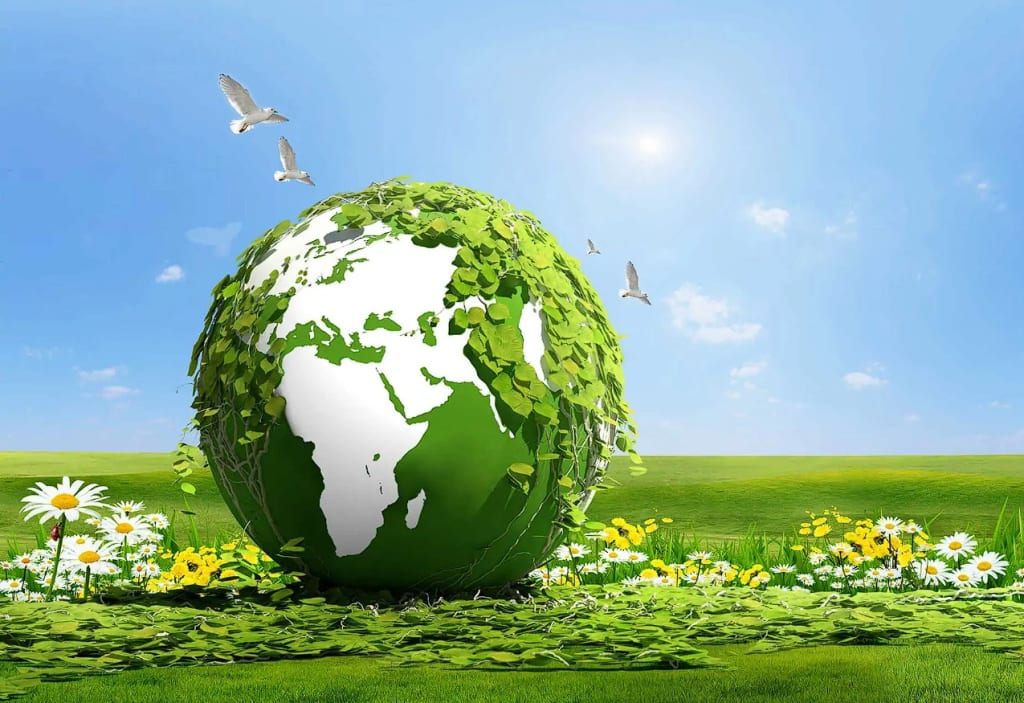
Recycling is a critical process that has gained much attention worldwide in recent years due to its importance in environmental conservation. The recycling process involves the conversion of waste materials into reusable products, reducing the pressure on natural resources and protecting the environment. This process is essential for conserving natural resources, reducing waste in landfills, and mitigating the impact of pollution on the environment.
Recycling has become a global initiative, with many countries adopting programs to encourage citizens to recycle. Recycling programs vary from country to country, but they all aim to promote recycling and reduce waste production. In the United States, for instance, most states have mandatory recycling laws that require households and businesses to recycle specific materials like paper, plastic, and glass. These laws have been instrumental in increasing recycling rates in the country, leading to a reduction in waste materials in landfills.
In Europe, the European Union has adopted a circular economy strategy aimed at reducing waste production, promoting resource efficiency, and stimulating economic growth. This strategy involves designing products that are durable, reusable, and easy to recycle. It also encourages the use of recycled materials in manufacturing processes and discourages the use of single-use products.
Many Asian countries have also embraced recycling, with Japan leading the way. The country has an efficient recycling system that has been in place for decades, with a recycling rate of over 80%. This high rate is attributed to the country's strict waste management policies, which require households and businesses to separate waste into categories such as plastic, paper, and metal.
In developing countries, recycling is still a challenge, with limited infrastructure and resources for waste management. However, some countries have made significant strides in promoting recycling. For instance, Brazil has implemented a comprehensive waste management program that includes recycling, composting, and landfilling. The country has also established waste pickers cooperatives, providing employment opportunities for people who collect recyclable materials from waste.
Recycling has numerous benefits, including conserving natural resources, reducing pollution, and creating employment opportunities. Recycling reduces the need for raw materials, which in turn reduces energy consumption and greenhouse gas emissions associated with the extraction and production of new materials. The process also reduces the amount of waste in landfills, which reduces the risk of groundwater pollution and greenhouse gas emissions from decomposing waste.
Recycling also creates employment opportunities in the waste management industry, providing jobs for people who collect, sort, and process recyclable materials. In the United States, the recycling industry provides employment for over 2 million people, contributing over $100 billion to the economy annually. Recycling also generates revenue for local governments through the sale of recyclable materials, which can be used to fund other programs.
Despite the benefits of recycling, there are still challenges to its implementation worldwide. One of the significant challenges is the lack of awareness among the public about the importance of recycling. Many people still dispose of waste inappropriately, leading to increased pollution and waste production. Education campaigns aimed at promoting recycling can help raise awareness and increase participation in recycling programs.
Another challenge is the lack of infrastructure for waste management in developing countries. Many countries lack the resources to establish efficient waste management systems, leading to the dumping of waste in open spaces and water bodies. International organizations can provide support to these countries through funding and technical assistance to establish sustainable waste management systems.
In conclusion, recycling is a critical process that has gained much attention worldwide due to its importance in environmental conservation. The adoption of recycling programs by many countries is a step in the right direction towards achieving sustainable development. However, there is still a need for increased awareness and investment in waste management infrastructure to achieve higher recycling rates and reduce waste production worldwide.
About the Creator
Plans Lodged for Assembly Rooms Replacement
Plans have been officially submitted for the replacement of the historic Assembly Rooms, signaling a significant transformation in the heart of the city. The Assembly Rooms, long regarded as a cultural and architectural landmark, have been a venue for public gatherings, performances, and civic events for decades. With the new plans now lodged, the community, local authorities, and heritage groups are preparing for a debate over modern development versus preserving historical character.
By Muhammad Hassan5 days ago in Earth
Man Shot and Killed During Minneapolis Immigration Crackdown Graduated from Preble High School
A man shot and killed during an immigration enforcement operation in Minneapolis has been identified as a graduate of Preble High School, a detail that has added a deeply personal dimension to an already controversial crackdown. As authorities continue to investigate the circumstances surrounding the fatal shooting, community members, former classmates, and civil rights advocates are demanding transparency, accountability, and a broader review of how immigration enforcement actions are being carried out.
By Salaar Jamaliabout 21 hours ago in Earth



Comments
There are no comments for this story
Be the first to respond and start the conversation.