
8 Fast Facts About Sharks: Shocking Revelations about the Ocean’s Apex Predators
8 Fast Facts About Sharks

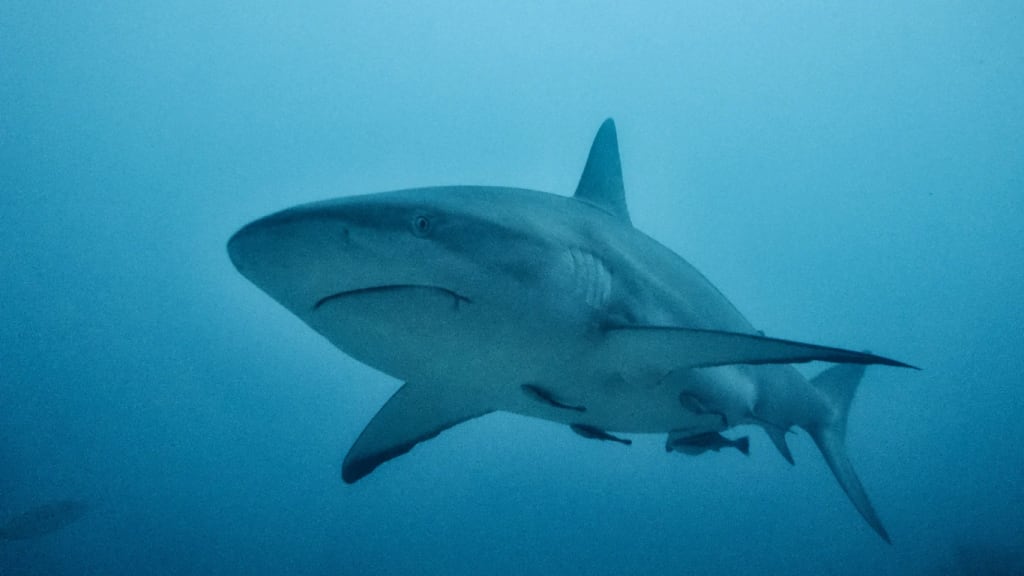
8 Fast Facts About Sharks: Shocking Revelations about the Ocean’s Apex Predators
Humans have been fascinated by sharks for centuries. These mighty creatures have existed for over 400 million years—long before dinosaurs walked the planet. While sharks are often known for being feared predators, they are also immensely varied and critically important to the health of ocean life.
In this article, we’ll dive into eight fast facts about sharks that showcase their unique adaptations, surprising behaviors, and important role in the ecosystem. Whether you’re a marine life expert or simply interested in these amazing beings, these facts will make you see sharks differently.
Sharks Are of Ancient Lineage
Sharks are among the oldest living beings on Earth. Sharks have existed for more than 400 million years — long before the origin of the first dinosaurs — according to fossil evidence. Their early forebears emerged during the Devonian period, often known as the “Age of Fishes.”
Sharks share a cartilage-based, lightweight, flexible skeleton unlike bony fish and other marine animals. This ability to adapt is likely not only responsible for their evolution into diverse marine ecosystems, but it has also helped them survive through a number of major extinction events.
Sharks Have a Sixth Sense
Sharks have a remarkable superpower called electroreception. This means they have the ability to detect the electrical fields created by other living organisms. They deploy special sensory organs known as ampullae of Lorenzini, which are located on the surface around their snouts, to detect even the weakest electrical impulses.
The ability proves invaluable for:
Hunting in dim or turbid waters
Finding prey buried beneath sand
Magnetic field-based navigation through the ocean
Thanks to electroreception, sharks are some of the most efficient hunters in the animal kingdom.
Sharks Belong to More Than 500 Species
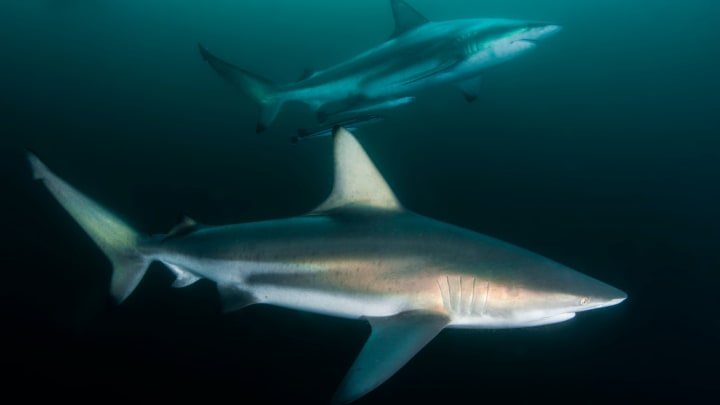
While the great white shark comes to mind for many when they think about sharks, there are more than 500 species of sharks around the world. They exhibit great variation in their shape, size, and behavior. These are some of the most unusual, including:
1) Whale Shark (Rhincodon typus): The largest shark, attaining lengths of over 60 feet, but unworldly to man as it feeds on plankton.
Goblin Shark (Mitsukurina owstoni): A deepsea fish with a peculiar, long snout.
Hammerhead Shark (Sphyrnidae family): Known for their hammer-like heads, which increase their visual abilities.
Cookiecutter Shark (Isistius brasiliensis): A little shark that bites out little circles of flesh from bigger creatures — and even submarine cables.
Each species plays a different role in marine ecosystems — as top predators, filter feeders, etc.
Not Every Shark Has to Swim to Breathe
A prevalent misconception about sharks is that they must swim constantly in order to live, but that isn’t true for all species. Some types of sharks, including great whites and makos, depend on a technique known as ram ventilation, so they must swim forward in order to force the oxygen-bearing water over their gills.
But other sharks — nurse sharks and wobbegongs — use buccal pumping. While perched on the ocean floor, they actively pump water over their gills, which lets them remain stationary for extended periods.
Sharks Have a Remarkable Immune System
Sharks rarely get sick, and scientists think of their immune systems as vessels of secrets that could be good for human medicine. Unlike most vertebrates, sharks produce special antibodies that are well-suited to detect and combat infections.
In addition, their skin is covered with dermal denticles — little, tooth-like structures, which help keep bacteria and parasites from settling on them. Shark biology is informing attempts to create new antibiotics and treatments for illnesses, such as cancer.
Shark Attacks on Humans Are Very Rare
Most shark attacks on humans are extremely uncommon, regardless of what movies like Jaws might suggest. Each year there’s an average of only about 70 – 100 unprovoked shark attacks worldwide, with less than 10 fatalities.
By comparison, humans kill an estimated 100 million sharks a year, largely because of overfishing and the appetite for shark fins. Shark finning, for example, is a process where sharks are caught, their fins are removed, and they are released back to the ocean alive, and is a cause of the decline in shark populations.
Not All Sharks Lay Eggs. Some're Pregnant Like Mammals
Sharks have unique ways of reproduction. Shark birth can occur in three ways depending on the species:
Oviparous (Egg-Laying) Sharker: Certain sharker species, such as the bamboo shark, lay eggs within protective pouches known as mermaid’s purses.
Ovoviviparous (Embryos Hatch in Utero): In certain species, like the sand tiger shark, the fetus is carried as an embryo in the womb when the eggs hatch inside the mother, and before being born.
Viviparous (Live Birth): Some species, such as hammerhead and bull sharks, have young that develop via a placenta, as in mammals, and give birth to live pups.
That reproductive diversity allows different species to flourish in different environments.
Sharks Keep Ocean Habitats Healthy
Sharks are apex predators and a key component in keeping the marine ecosystem in balance. They control fish populations by keeping prey species in check. Without sharks, the populations of prey species could explode and sentences could cause damage by causing a cascade of wreckage on coral reefs and marine biodiversity.
One example: Overfishing in places that lead to lower populations of sharks leads to a rise in mesopredators (medium-sized fish), which causes overconsumption of smaller marine creatures and disrupts the food chain.
Conserving sharks is vital for ocean health and the survival of numerous other marine creatures.
Conclusion
Sharks are amazing, varied, and vital beings and deserve to be more cherished than feared. 1. From their millions of years on our planet to their incredible sense of smell, sharks never fail to amaze scientists and ocean lovers. Despite their fearsome reputation, they are integral to keeping ocean ecosystems in balance.
As shark populations are declining more than ever due to human activities, spreading awareness about shark conservation efforts has never been more urgent. These magnificent predators deserve our understanding, respect, and care so that they continue to thrive for future generations.
About the Creator
Kalpesh Vasava
"Storyteller | Creative Writer | Passionate Explorer of Ideas"
I’m a dedicated writer with a love for sharing compelling stories and inspiring readers through words. My content explores diverse topics such as...
Ielievenreatingeaningftabl
Keep reading
More stories from Kalpesh Vasava and writers in Earth and other communities.
Earth's Hidden Secrets: Unexplained Mysteries of Our Ecosystems
Earth's Hidden Secrets: Unexplained Mysteries of Our Ecosystems Earth, our home, is a fascinating and complex planet teeming with life and mystery. While science has uncovered much about our ecosystems, many secrets remain buried, leaving scientists and researchers astounded. From puzzling natural phenomena to lifeforms thriving in extreme conditions, Earth's ecosystems are a treasure trove of the unexplained. In this article, we delve into some of the most intriguing mysteries of our planet's ecosystems, offering unique insights and information that will leave you in awe.
By Kalpesh Vasavaabout a year ago in Earth
The Problem with Invasive Plants: Identification and Responsible Removal
This scenario plays out in gardens across the continent. Many invasive plants started as intentional garden introductions, valued for their beauty, vigor, and ease of growth. Those same qualities—rapid spread, adaptability, and resilience—make them ecological threats when they escape cultivation.
By Emma Wallace7 days ago in Earth




Comments
There are no comments for this story
Be the first to respond and start the conversation.