
7 Secrets to Choosing the Right Paper Cup Size for Every Occasion
From 4oz espresso shots to 24oz iced drinks—how to pick eco-friendly paper cups with confidence

Introduction: Why Paper Cup Size Matters More Than You Think
Imagine grabbing a steaming 16oz cappuccino on your way to work—only to find the cup overflowing or half empty. Now picture the same mishap at a catered event, picnic, or juice bar. The size of a paper cup isn’t just a number—it’s the difference between waste and efficiency, between good design and poor experience.
As sustainable packaging becomes the new norm, understanding paper cup size is essential—not just for functionality, but also for reducing environmental impact. Whether you’re a coffee shop owner, event planner, or eco-conscious consumer, this guide reveals how to select the right paper cup size while switching to biodegradable tableware options that support a greener planet.
Standard Paper Cup Sizes and Their Common Uses
Common Paper Cup Sizes and Measurements
Here’s a breakdown of the most widely used paper cup sizes and how they align with typical beverage servings:
Cup Size Milliliters (ml) Ideal For
4oz ~118ml Espresso shots, tasting samples
6oz ~177ml Cortados, small hot drinks
8oz ~236ml Regular coffee, tea
10oz ~296ml Lattes, hot chocolate
12oz ~355ml Cappuccinos, regular drinks
16oz ~473ml Large coffee, iced teas
20oz ~591ml XL drinks, smoothies
24oz ~710ml Iced drinks, soft drinks (to-go)
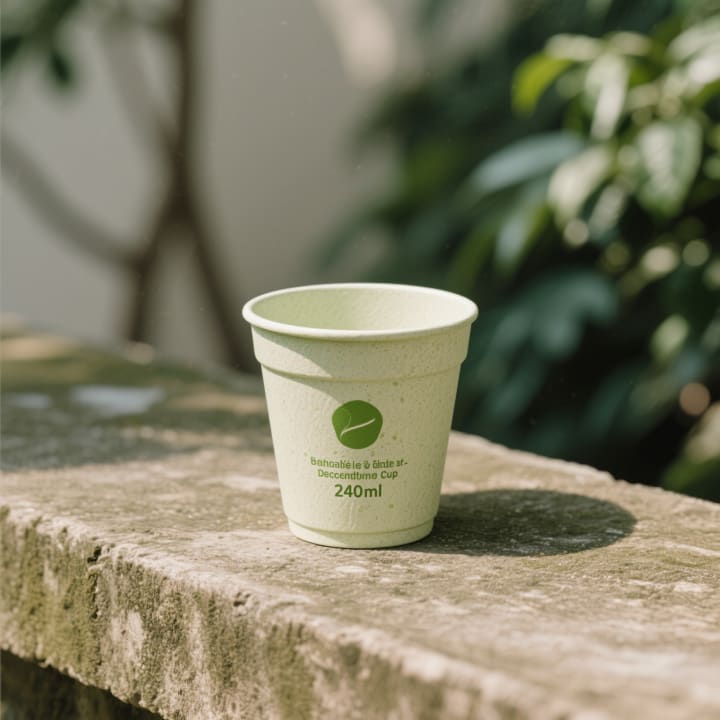
Switching to eco-friendly alternatives for these sizes, such as biodegradable paper cups made from PLA-lined or PE-free materials, helps significantly reduce plastic waste.
The Environmental Impact of Selecting the Right Cup Size
Reducing Waste Starts with Sizing Accuracy
Choosing the wrong paper cup size often results in:
Over-pouring and product waste
Unused beverage space
Customer dissatisfaction
Increased production material usage
According to industry data, over 500 billion disposable cups are produced globally each year. A large percentage ends up in landfills due to improper sizing and overconsumption. Downsizing where possible (e.g., switching from 16oz to 12oz for medium drinks) can reduce paper usage by up to 20%.
Why Compostable Cups Offer the Better Choice
Unlike traditional cups that use polyethylene liners, compostable paper cups use renewable materials like:
PLA (Polylactic Acid): Derived from corn starch, fully biodegradable under commercial composting.
Water-based coating: Allows recyclability and compostability without leaving microplastics.
Bagasse-lined cups: Utilize sugarcane pulp as the base for both strength and eco-friendliness.
7 Secrets to Choosing the Best Paper Cup Size
1. Match Size to Beverage Temperature
Hot drinks require thicker walls and snug lids. An 8oz double-wall cup is often better than a thin 12oz single-wall for heat retention and hand safety.
2. Consider Serving Time
Events with self-serve drink stations benefit from 10oz or 12oz cups to balance portion control and guest satisfaction.
3. Think About Drink Type
Espresso or sample drinks: 4oz or 6oz
Regular coffee: 8oz–12oz
Iced tea or smoothies: 16oz–24oz
Using the wrong paper cup size can lead to flavor dilution (e.g., too much ice in a 24oz drink) or spillage (e.g., foam overflow in a small cup).
4. Minimize Carbon Footprint
A 12oz biodegradable cup can save nearly 14g of CO₂ compared to a plastic-lined equivalent. Multiplied by daily use, this equates to tons of emissions saved annually.
5. Don’t Overlook Branding
Larger cups offer more surface area for logos or sustainable messaging, which can enhance customer perception—especially when using compostable cups with a natural look and feel.
6. Account for Lids and Accessories
Ensure compatibility between cup size and lid type (flat vs. dome), especially for takeout services. Compostable lids made from CPLA (crystalized PLA) are ideal for hot drinks and eco-conscious operations.
7. Storage and Transport Efficiency
Smaller cups take up less space in storage and cost less to ship. Businesses using bulk orders of 8oz or 10oz cups often save up to 15% on logistics compared to larger sizes.
Case Study: Bio-Based Paper Cups in Action
A popular café chain in Southeast Asia switched from standard 16oz PE-coated paper cups to 12oz PLA-lined biodegradable cups for all dine-in orders. The results over six months:
Paper cup usage dropped by 18%
Monthly waste weight decreased by 12%
Customer satisfaction scores rose due to cup sturdiness and design
Marketing costs fell thanks to printing sustainability messages on cup sleeves
The switch also improved their public eco reputation, leading to more social media shares and repeat customers.
The Future of Sustainable Paper Cups
The global market for biodegradable food packaging is expected to exceed USD $25 billion by 2027. With rising regulations on single-use plastics, paper cups will increasingly shift to renewable sources, and accurate sizing will play a critical role in supply chain efficiency.
Emerging trends include:
Smart Sizing: AI-based inventory tools predicting which cup size sells most per region or time slot.
Zero-Waste Packaging: Cups made with integrated lids or edible rims.
Material innovation: Rice husk, bamboo fiber, and algae-based lining.
How to Make the Switch to the Right Eco Cup Size
When upgrading your takeaway or dine-in service to eco-friendly paper cups:
Audit your current cup usage by type and time.
Match each drink category to its most efficient cup size.
Switch to biodegradable options across the most used SKUs.
Communicate your commitment to customers through cup branding or signage.
Order in bulk to reduce per-unit cost and packaging waste.
Conclusion: More Than Just a Cup
Choosing the right paper cup size is not just a logistical decision—it’s a sustainability strategy. From minimizing waste to enhancing customer experience, getting the size right while switching to biodegradable materials offers wins across the board. Whether you’re running a juice bar, café, or catering business, now is the time to rethink cup sizing with an eco-conscious mindset.
Make the switch today—because every ounce saved adds up to a healthier planet.
About the Creator
Nitrogen is necessary for young tropical rain forests to combat climate change.
By absorbing carbon dioxide from the atmosphere and storing it in wood, tropical rainforests contribute to the slowing of climate change. Forests that develop quickly are even more important because they absorb carbon more quickly.
By Francis Dami4 days ago in Earth
DoJ Attorneys Resign Over Decision Not to Investigate Agent in Minneapolis ICE Shooting
A Justice Department Decision Sparks Fallout Several US Department of Justice (DoJ) attorneys have resigned following an internal decision not to pursue a criminal investigation into a federal immigration agent involved in a shooting in Minneapolis, according to multiple officials familiar with the matter. The resignations have intensified scrutiny of the DoJ’s handling of the case and fueled public debate over law enforcement accountability, particularly when federal agents are involved. The shooting, which occurred during an Immigration and Customs Enforcement (ICE) operation in Minneapolis, has already drawn local outrage and national attention. The decision not to open a formal investigation has now added a new layer of controversy—this time from within the Justice Department itself. What Is Known About the Minneapolis ICE Shooting Details surrounding the incident remain limited, as authorities have not released a full public account. What has been confirmed is that an ICE agent discharged a firearm during an operation, resulting in a civilian being shot. The condition of the victim has not been fully detailed in official statements, though local officials confirmed the individual survived. Local law enforcement initially responded to the scene, but jurisdictional authority shifted quickly due to the involvement of a federal agent. Under standard procedure, incidents involving federal officers are typically reviewed by the DoJ to determine whether a civil rights or criminal investigation is warranted. It was this review—and its outcome—that ultimately triggered internal dissent. Why DoJ Attorneys Walked Away According to sources familiar with the resignations, multiple attorneys—some with experience in civil rights and public integrity cases—objected strongly to the decision not to open a formal investigation. They argued that the shooting met the threshold for independent review, regardless of whether charges were ultimately brought. One former official described the decision as “a dangerous precedent,” warning that declining to investigate could erode public trust. Others reportedly felt that political considerations, rather than legal standards, influenced the outcome. While the DoJ has not publicly confirmed the number of resignations, officials acknowledged that departures occurred and said they were handled in accordance with internal procedures. The Justice Department’s Position In a brief statement, the Department of Justice said it had conducted an initial assessment of the incident and concluded that there was insufficient basis to proceed with a criminal investigation at this time. Officials emphasized that such decisions are made after reviewing available evidence, including use-of-force policies and witness statements. The department rejected claims that the decision was politically motivated, insisting that prosecutors follow established legal thresholds rather than public pressure. However, the DoJ declined to provide further details, citing the sensitive nature of law enforcement operations and personnel matters. Minneapolis Officials and Community Reaction In Minneapolis, the reaction has been swift and critical. City leaders and community advocates have called for greater transparency, arguing that federal agents operating within city limits should be subject to the same level of scrutiny as local police. “This isn’t about politics—it’s about accountability,” said a local civil rights advocate. “When someone is shot, there must be an independent investigation, regardless of the badge involved.” Protests and community meetings have followed, with residents demanding the release of body camera footage, operational details, and a clearer explanation for the DoJ’s decision. ICE Operations Under Renewed Scrutiny The shooting and subsequent fallout have reignited broader concerns about ICE enforcement tactics. Critics argue that immigration operations often take place with limited oversight, creating conditions where accountability gaps can emerge. Advocacy groups note that ICE agents are armed and authorized to use force, yet incidents involving shootings are relatively rare—and therefore require especially careful review when they occur. Supporters of ICE counter that agents operate in dangerous environments and must make split-second decisions, warning against rushing to judgment without full facts. Political Pressure and the Rule of Law The resignations have also raised questions about political pressure within federal law enforcement agencies. While no direct evidence has been made public, former prosecutors say internal disagreement of this magnitude is unusual and concerning. “When career attorneys resign over a single decision, it signals a serious breakdown of trust,” said a former federal prosecutor. “That doesn’t happen lightly.” Lawmakers from both parties have begun asking questions, with some calling for congressional oversight hearings into the incident and the DoJ’s decision-making process. Legal Standards vs Public Expectations At the heart of the controversy is a long-standing tension in US justice: the gap between legal thresholds for prosecution and public expectations of accountability. Opening an investigation does not imply guilt, but declining to investigate can be perceived as preemptively closing the door on transparency. Civil rights experts argue that even if prosecutors believe charges are unlikely, a formal investigation can still serve an important public interest. “The process matters as much as the outcome,” said one legal scholar. “Especially when federal authority is involved.” What Happens Next While the DoJ has indicated it will not revisit its decision at this time, pressure is mounting. Civil lawsuits, independent reviews, or congressional inquiries could still follow. Meanwhile, the resignations themselves may become part of a broader reckoning inside the Justice Department, as leaders assess how internal dissent is handled—and how public confidence can be restored. For the attorneys who resigned, the decision appears to have been a matter of principle. For the public, the unanswered questions surrounding the Minneapolis shooting remain unresolved. Conclusion: A Case That Won’t Fade Quietly The resignations of DoJ attorneys over the decision not to investigate an ICE agent involved in a Minneapolis shooting have turned a single law enforcement incident into a national flashpoint. Beyond the specifics of the case, the episode raises fundamental questions about accountability, transparency, and the independence of the justice system. Whether through further investigation, legal action, or political oversight, the issue is unlikely to disappear—and the consequences may shape how similar cases are handled in the future.
By Aarif Lashari6 days ago in Earth




Comments
There are no comments for this story
Be the first to respond and start the conversation.