
Heat-Tested: What Happens When You Microwave Paper Plates—and How to Do It Safely
Uncover the truth about microwaving paper plates, the dangers of coatings, and how sugarcane-based tableware offers a safer, smarter solution.
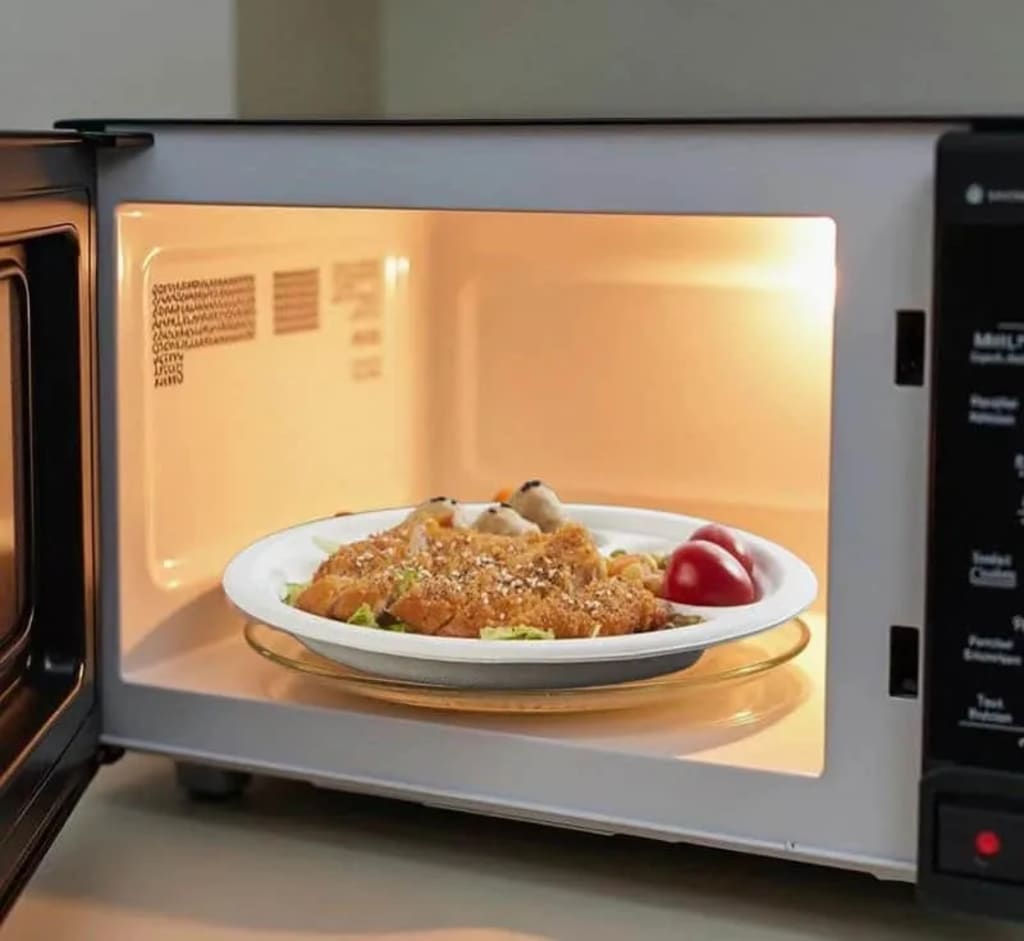
Introduction: A Daily Habit with Hidden Risks
Microwaving food on a paper plate is second nature for millions of people. It's quick, easy, and feels safe. But have you ever stopped to ask: what really happens when paper plates go into the microwave?
The answer depends on one crucial factor—what the plate is made of. Coated, printed, or chemically treated plates might release toxins or even ignite. Meanwhile, heat-resistant natural fiber alternatives like compostable sugarcane plates offer a microwave-safe and environmentally responsible solution.
- This article will show you:
- Which types of paper plates are microwave-safe
- What signs to watch for
- Why material choice matters for both safety and sustainability
- And how sugarcane-based packaging performs under heat
What Makes a Paper Plate Microwave Safe?
Microwave safety isn't about whether a plate looks like paper—it’s about what’s inside the paper.
Safe for Microwaves:
- Uncoated paper made from virgin or recycled fiber
- Bagasse (sugarcane fiber) plates, with no plastic lining
- Plates labeled “microwave safe”
Not Safe:
- Plates with a plastic or wax coating (common in takeout)
- Printed or dyed plates without food-grade ink
- Foil-stamped or glossy plates, which can spark or emit toxins
Using the wrong plate in a microwave can lead to chemical exposure, plate deformation, or even fire hazards.
Paper Plates in the Microwave: What Can Go Wrong?
Even plates that appear plain can pose problems when exposed to microwave heat. Here’s what could happen:
Material Type Microwave Reaction
Plastic-coated paper Melts, warps, and may release toxins
Wax-coated paper May smoke or ignite, especially with oil
Printed decorative plates Can leach ink into food or discolor
Uncoated paper Softens but generally safe for short heating
Bagasse fiber plates Hold shape, no chemicals released
If you’ve ever noticed a paper plate curling, leaking, or getting hot, chances are it wasn’t designed for microwave use.
Why Sugarcane Plates Are Made for the Microwave
Modern tableware made from sugarcane pulp (bagasse) is rapidly becoming the gold standard for microwave-safe disposables. These products are:
- Microwave-tolerant up to 248°F (120°C)
- Plastic-free and uncoated
- Grease- and moisture-resistant by nature
- Fully compostable within 45–60 days
- Strong enough for reheating sauces, soups, and oily foods
For example, a 9” bagasse plate with a secure-fitting lid is ideal for hot meals. It can go from fridge to microwave, withstand moisture, and leave behind zero waste when composted.
Real-Life Application: Family Kitchen or Corporate Canteen?
Whether you're:
- Reheating a meal at home
- Prepping trays in a food service line
- Delivering takeout
- Or catering large events
Compostable fiber-based plates provide both the performance and safety required for high-volume or high-heat use. In institutional tests, switching from waxed paper to sugarcane fiber tableware resulted in zero microwave failures, better food integrity, and easier post-use composting.
Tips for Microwaving Any Disposable Plate
To avoid chemical risks or plate damage:
✅ Do:
- Use uncoated or certified microwave-safe materials
- Limit heating to 2 minutes or less
- Avoid heating greasy food on wax-coated paper
- Place a cup of water in the microwave when reheating dry meals
❌ Don’t:
- Use printed, glossy, or foil-accented plates
- Stack plates in the microwave
- Microwave empty paperware
- Assume compostable = microwaveable (check material type)
Compostable vs Microwave-Safe: Not Always Equal
Not all biodegradable plates are heat-compatible. For instance:
- PLA-lined cornstarch plates may melt or soften
- Palm leaf trays can warp
- Bamboo pulp dishes may fail under oily or moist food
Only molded sugarcane fiber (bagasse) products consistently withstand microwave heat while remaining compostable—ideal for both food safety and waste reduction.
Microwave Use Doesn’t Affect Composting
A key advantage of plant-based tableware is that microwaving doesn’t alter its compostability. Plates made from bagasse remain:
Structurally sound during heating
Fully biodegradable afterward
Safe for backyard or municipal compost bins
In contrast, many “paper” products with chemical coatings or inks do not break down cleanly—or at all—after exposure to heat.
What to Look for on Labels
When choosing microwave-friendly disposable plates, scan for:
- Microwave-safe icon or FDA food-contact label
- Matte, natural texture (no gloss)
- Compost certification like TÜV OK Compost Home
- Mention of sugarcane fiber or bagasse
If you're sourcing for food service or retail, look for heat-tested certifications and fiber-only composition—these ensure microwave performance and post-use sustainability.
Conclusion: Safe Heating Starts with Smart Materials
Can you microwave paper plates? Yes—if they’re uncoated and purpose-built. But many plates today hide coatings or ink that pose risks when heated.
Plates made from molded sugarcane fiber offer the best of both worlds: microwave durability and clean environmental performance. They're free from plastics, safe for food, and break down completely—whether in compost bins or nature.
When you choose plant-based packaging, you’re not just reheating leftovers. You’re supporting a zero-waste future.
About the Creator
“Are You Dead?”: A New App Reflects the Loneliness of Young Chinese Living Alone
In China’s rapidly changing cities, living alone is no longer unusual—especially among young adults pursuing education, careers, and independence. But as solo living increases, so do concerns about isolation, safety, and what happens when no one is around to check in. Against this backdrop, a new app with a blunt, unsettling question—“Are you dead?”—has captured public attention and ignited debate. Despite its shocking name, the app is not designed to provoke fear. Instead, it aims to address a practical and emotional gap in modern urban life: how to ensure the well-being of people who live alone, and how technology is stepping in where traditional community networks have weakened. The Rise of Solo Living in China China has witnessed a dramatic shift in household structures over the past two decades. Urbanization, delayed marriage, rising housing costs, and changing cultural values have contributed to a growing number of single-person households, particularly among people in their 20s and 30s. For many young Chinese professionals, living alone represents freedom and self-reliance. It allows flexibility, privacy, and independence from family expectations. Yet this independence often comes with trade-offs: fewer daily social interactions, weaker neighborhood ties, and limited support in emergencies. In megacities like Beijing, Shanghai, and Shenzhen, it is increasingly common for neighbors not to know each other at all. In this environment, concerns about what happens if someone becomes ill, injured, or simply disappears from daily routines have become more pronounced. What the App Actually Does Despite its provocative name, the app’s purpose is surprisingly simple. It functions as a digital check-in system. Users set regular times to confirm they are okay—by tapping a notification or completing a brief check-in. If the user fails to respond after a certain period, the app automatically alerts designated contacts, such as friends, family members, or emergency responders. The stark question, “Are you dead?”, is intentionally designed to grab attention and prompt action. Developers argue that softer language is often ignored, while blunt phrasing cuts through digital noise and encourages consistent use. In essence, the app acts as a safety net, especially for people who live alone and may not have daily contact with others. Why Young People Are Downloading It The app’s popularity reflects deeper anxieties among young adults navigating modern life. Many users say they downloaded it not because they fear the worst every day, but because it provides peace of mind—both for themselves and for loved ones. For parents living far from their children, the app offers reassurance without constant phone calls. For users, it creates a sense of being quietly watched over, without sacrificing independence. Some users have also described the app as a form of emotional comfort. Even a routine notification can feel like a reminder that someone, somewhere, would notice if they vanished from daily life. A Name That Sparked Debate The app’s name has been its most controversial feature. Critics argue that the phrase “Are you dead?” is unnecessarily harsh and reflects a growing desensitization in digital culture. Others worry that such language could amplify anxiety rather than reduce it. Supporters, however, see the name as a reflection of reality rather than a provocation. In densely populated cities where people can go unnoticed for days or weeks, the question is uncomfortable—but relevant. They argue that avoiding blunt language does not eliminate the underlying problem of isolation. The debate highlights a broader tension in tech design: Should apps prioritize emotional sensitivity, or practical effectiveness—even if it makes people uncomfortable? Technology Filling a Social Gap The rise of this app points to a larger issue: technology increasingly compensates for weakened social structures. In the past, extended families, close-knit neighborhoods, and workplace communities naturally checked in on individuals. Today, those informal safety nets are often absent. Apps like this one are not just tools; they are symptoms of a society where digital solutions are replacing human presence. While convenient, this raises questions about whether technology is addressing the root causes of loneliness—or simply managing its consequences. Still, for many users, the app is not a replacement for relationships, but a supplement to modern life realities. Living Alone Does Not Mean Wanting to Be Alone An important takeaway from the app’s success is that living alone is not the same as wanting isolation. Many young Chinese adults value independence but still crave connection, security, and acknowledgment. The app’s routine check-ins, though minimal, provide a structured moment of contact. In a fast-paced, high-pressure environment, even small gestures of recognition can matter. This trend also reflects changing attitudes toward mental well-being and personal safety. Younger generations are more open to discussing vulnerability and using tools that previous generations might have dismissed. What This Says About Modern Urban Life The popularity of an app that asks such a stark question speaks volumes about the realities of contemporary urban living—not just in China, but globally. As cities grow larger and lives become more individualized, people are searching for new ways to ensure they are seen, remembered, and protected. The app’s success suggests that people are willing to engage with uncomfortable ideas if they address real needs. It also underscores the importance of designing technology that is honest about modern challenges, rather than masking them with euphemisms. Conclusion: A Wake-Up Call, Not a Warning While the phrase “Are you dead?” may sound alarming, the app behind it is less about fear and more about care. It reflects a generation navigating independence in a world where traditional support systems no longer function as they once did. Rather than signaling a morbid obsession, the app serves as a quiet reminder of something deeply human: the need to be noticed. In that sense, its blunt question is not about death at all—but about presence, connection, and the reassurance that someone would check if you were gone. As solo living continues to rise, tools like this app may become less shocking and more commonplace—symbols of how society adapts to changing ways of life in the digital age.
By Muhammad Hassan4 days ago in Earth




Comments
There are no comments for this story
Be the first to respond and start the conversation.