
5.1 Magnitude Earthquake Jolts Lahore and Other Parts of Punjab
"Panic in the Streets: How Lahore Responded to the Recent Earthquake"

On Thursday, November 28, 2024, a 5.1 magnitude earthquake struck Lahore and several other regions in Punjab, Pakistan, sending shockwaves through the densely populated areas. The tremors were felt across various cities, causing panic among residents and raising concerns about the safety of buildings and infrastructure. This article explores the details of the earthquake, its impact on the region, and the broader implications for earthquake preparedness in Pakistan.

Understanding the Earthquake
The Seismic Event
The earthquake occurred at approximately 2:15 PM local time, with its epicenter located near the city of Mandi Bahauddin, about 100 kilometers from Lahore. The depth of the quake was reported to be around 10 kilometers, which is relatively shallow and often results in stronger surface shaking. The tremors were felt in various cities, including Faisalabad, Gujranwala, Sialkot, and Multan, leading to widespread alarm among residents.
Geological Context
Pakistan is situated in a seismically active region, primarily due to the collision of the Indian and Eurasian tectonic plates. This geological activity makes the country prone to earthquakes, with varying magnitudes and impacts. The recent earthquake serves as a reminder of the ongoing seismic risks faced by the region, particularly in urban areas where infrastructure may not be adequately prepared to withstand such events.
Immediate Impact on Lahore and Surrounding Areas
Panic and Evacuations
As the tremors shook Lahore, residents rushed out of buildings, fearing for their safety. Many people evacuated offices, schools, and homes, gathering in open spaces to avoid potential building collapses. Social media platforms were flooded with reports and videos of the earthquake, showcasing the immediate reactions of citizens. Fortunately, there were no immediate reports of significant injuries or fatalities, but the psychological impact of the quake was palpable.
Infrastructure and Damage Reports
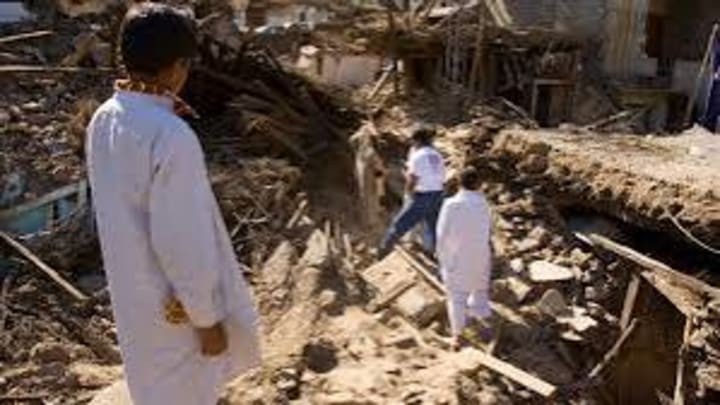
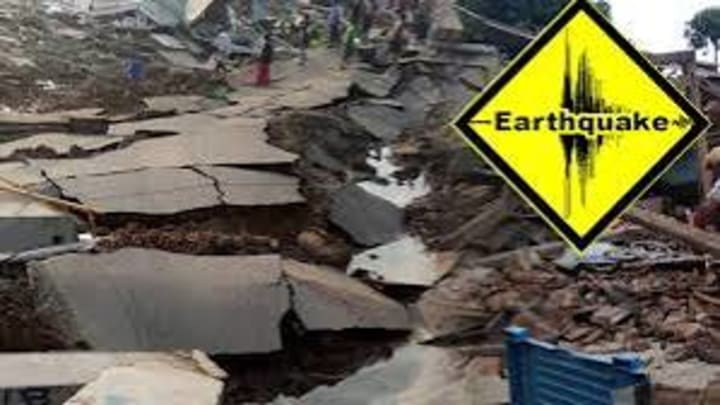
Initial assessments indicated that while the earthquake caused minor damage to some structures, there were no major collapses reported in Lahore or surrounding cities. However, local authorities were quick to initiate inspections of public buildings, schools, and hospitals to ensure safety. The government urged citizens to remain vigilant and report any signs of structural damage.
Government Response and Preparedness
Emergency Services Activation
In the aftermath of the earthquake, emergency services were activated across Punjab. Rescue teams were deployed to assess the situation and provide assistance where needed. The provincial disaster management authority (PDMA) coordinated with local governments to ensure a swift response to any potential emergencies arising from the quake.
Public Awareness Campaigns
The earthquake highlighted the need for increased public awareness regarding earthquake preparedness. The government and various NGOs have been working to educate citizens about safety measures during seismic events. This includes guidance on how to "Drop, Cover, and Hold On" during an earthquake, as well as the importance of having emergency kits and plans in place.
The Psychological Impact of Earthquakes
Fear and Anxiety
Earthquakes can have a lasting psychological impact on individuals and communities. The suddenness of the event can trigger feelings of fear and anxiety, particularly among those who have experienced previous seismic events. Mental health professionals emphasize the importance of addressing these feelings and providing support to those affected.
Community Resilience
In the face of natural disasters, community resilience plays a crucial role in recovery. The recent earthquake has prompted discussions among residents about the importance of coming together to support one another. Community organizations and local leaders are encouraged to foster a sense of solidarity and preparedness, ensuring that citizens are equipped to handle future emergencies.
Lessons Learned and Future Preparedness
Infrastructure Development
The earthquake serves as a wake-up call for authorities to prioritize infrastructure development and retrofitting in earthquake-prone areas. Many buildings in Lahore and other cities were constructed without adequate seismic standards, making them vulnerable to damage during earthquakes. The government must invest in strengthening existing structures and enforcing building codes that prioritize safety.
Emergency Response Planning
The recent seismic event underscores the need for comprehensive emergency response planning. Local governments should conduct regular drills and simulations to prepare for potential earthquakes. This includes training emergency responders, establishing communication protocols, and ensuring that resources are readily available for quick deployment in the event of a disaster.
Conclusion
The 5.1 magnitude earthquake that jolted Lahore and other parts of Punjab on November 28, 2024, serves as a stark reminder of the seismic risks faced by the region. While the immediate impact was relatively mild, the event has reignited discussions about earthquake preparedness, infrastructure safety, and community resilience. As Pakistan continues to navigate the challenges posed by natural disasters, it is essential for authorities, communities, and individuals to work together to enhance preparedness and response strategies. By prioritizing safety and awareness, the nation can better equip itself to face future seismic events and protect its citizens from harm.
Final Thoughts
In the wake of the earthquake, it is crucial for residents to remain informed and proactive about their safety. Engaging in community preparedness initiatives, staying updated on emergency protocols, and participating in local drills can significantly enhance resilience against future seismic events. As the region reflects on this recent earthquake, it is an opportunity for both individuals and authorities to take actionable steps towards a safer and more prepared society. By fostering a culture of awareness and readiness, the people of Punjab can better safeguard themselves and their communities against the unpredictable nature of earthquakes.
About the Creator
Danish Asif
Start writing... I strive to deliver high-quality writing that not only informs but also inspires action and discussion. Let me help you communicate your message effectively and creatively.
Keep reading
More stories from Danish Asif and writers in Earth and other communities.
“Make America Go Away”: Spoof MAGA Caps Soar in Popularity Amid the Greenland Crisis
Political slogans have always been powerful, but in today’s hyper-connected world, they often take on a life of their own. In recent weeks, a new phrase has been popping up across social media, protests, and online marketplaces: “Make America Go Away.” Printed boldly on red caps that closely resemble the iconic MAGA hats, the slogan is a pointed parody—and it’s rapidly gaining popularity amid renewed tensions surrounding Greenland and U.S. foreign policy rhetoric.
By Aarif Lashari4 days ago in Earth
Autonomy Is The Real Privilege
Good morning, freedom-seekers! Today we’re gonna be looking at autonomy. A strange word, I know; one many would probably look at blankly and run away from on sight. We’re gonna figure out what it actually means, consider how it’s achieved, and decipher just how deeply most of us are tangled up in dependence without realising it.
By That ‘Freedom’ Guy4 days ago in Humans



Comments
There are no comments for this story
Be the first to respond and start the conversation.