
4 people loose their lives while attending a funeral
Landslide Accident claims the lives of funeral attendees in Yaoundé Cameroun
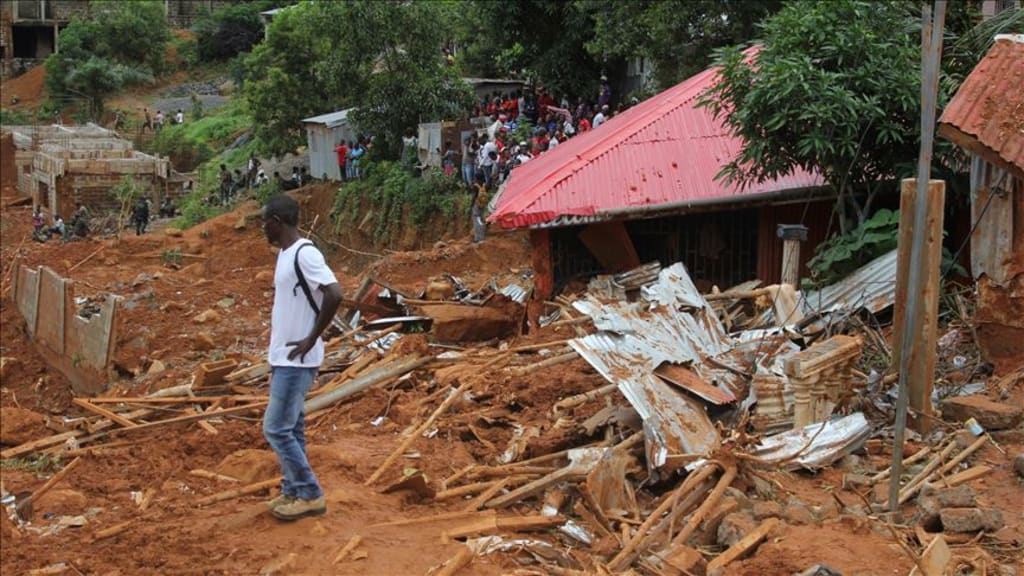
Tragic Incident in Cameroon Capital as Landslide Claims Lives of Funeral Attendees
A devastating incident occurred in Yaounde, the capital of Cameroon, on Sunday, resulting in the loss of lives of individuals who were attending a funeral, according to the governor of the Centre region.
The bodies of the deceased are being transported to the central hospital's mortuary, and the search for any remaining individuals or bodies is ongoing, as stated by Naseri Paul Bea, the region's governor.
Witnesses informed Reuters that the unfortunate incident took place as dozens of people gathered for the funeral ceremony on a soccer pitch situated at the bottom of a 20-meter-high soil embankment, which subsequently collapsed on them.
Yaounde, known for its hilly terrain and characterized as one of the rainiest cities in Africa, has experienced heavy rainfall this year, leading to multiple destructive floods across the country. These floods have had a detrimental impact on the infrastructure and resulted in the displacement of numerous individuals.
It is important to note that in 2019, a landslide in Bamoungoum village near Bafoussam, the regional city, claimed the lives of 42 people.
Our thoughts and condolences go out to the victims and their families affected by this tragic event.
How to Safeguard Against Landslides
Introduction:
Landslides pose a significant threat to communities worldwide, causing loss of life and extensive damage to infrastructure. However, by taking proactive measures and following certain guidelines, individuals can mitigate the risks associated with landslides. This article explores some effective strategies to avoid landslides and ensure the safety of communities.
1. Recognize Areas of High Risk:
Familiarize yourself with your surroundings and identify areas prone to landslides. Pay attention to regions with steep slopes, loose soil, or previous instances of landslides. Stay updated on geological reports and consult local authorities for expert advice.
2. Maintain Vegetation and Drainage:
Strong root systems from dense vegetation can stabilize soil, reducing the likelihood of landslides. Ensure regular maintenance and planting of trees and plants in vulnerable areas. Additionally, maintain effective drainage systems to prevent water from accumulating and saturating the ground, which can increase the risk of landslides.
3. Construct Retaining Walls and Terraces:
Building retaining walls and terraces can provide necessary support to slopes, reducing the chances of soil erosion and landslides. Consult with professionals to ensure proper design and construction standards are followed.
4. Properly Manage Surface Water:
Diverting surface water away from vulnerable areas is crucial in preventing landslides. Install and maintain gutters, downspouts, and drainage channels to safely direct excess water away from slopes and foundations.
5. Monitor and Control Slope Stability:
Regularly inspect your property for signs of slope instability, such as cracks in the ground or tilting trees. If any warning signs are observed, consult geotechnical experts immediately, as they can assess the situation and suggest appropriate remedial actions.
6. Avoid Altering Slopes:
Do not undertake extensive excavation or modification of natural slopes without professional guidance. Altering slopes can disturb the equilibrium of the land and increase the risk of landslides.
7. Promote Community Awareness and Preparedness:
Educating the community about landslides, their potential hazards, and preventive measures is crucial. Conduct awareness campaigns, workshops, and seminars to help individuals understand the importance of early detection and evacuation protocols during landslide events.
Conclusion:
Landslides are natural disasters that require proactive measures and community involvement to minimize their impact. Through effective planning, regular maintenance, and public awareness, we can significantly reduce the risks associated with landslides. By implementing these preventive strategies, we enhance the safety and resilience of our communities, safeguarding lives and infrastructure.
Title: Proactive Measures: How to Safeguard Against Landslides
Introduction:
Landslides pose a significant threat to communities worldwide, causing loss of life and extensive damage to infrastructure. However, by taking proactive measures and following certain guidelines, individuals can mitigate the risks associated with landslides. This article explores some effective strategies to avoid landslides and ensure the safety of communities.
1. Recognize Areas of High Risk:
Familiarize yourself with your surroundings and identify areas prone to landslides. Pay attention to regions with steep slopes, loose soil, or previous instances of landslides. Stay updated on geological reports and consult local authorities for expert advice.
2. Maintain Vegetation and Drainage:
Strong root systems from dense vegetation can stabilize soil, reducing the likelihood of landslides. Ensure regular maintenance and planting of trees and plants in vulnerable areas. Additionally, maintain effective drainage systems to prevent water from accumulating and saturating the ground, which can increase the risk of landslides.
3. Construct Retaining Walls and Terraces:
Building retaining walls and terraces can provide necessary support to slopes, reducing the chances of soil erosion and landslides. Consult with professionals to ensure proper design and construction standards are followed.
4. Properly Manage Surface Water:
Diverting surface water away from vulnerable areas is crucial in preventing landslides. Install and maintain gutters, downspouts, and drainage channels to safely direct excess water away from slopes and foundations.
5. Monitor and Control Slope Stability:
Regularly inspect your property for signs of slope instability, such as cracks in the ground or tilting trees. If any warning signs are observed, consult geotechnical experts immediately, as they can assess the situation and suggest appropriate remedial actions.
6. Avoid Altering Slopes:
Do not undertake extensive excavation or modification of natural slopes without professional guidance. Altering slopes can disturb the equilibrium of the land and increase the risk of landslides.
7. Promote Community Awareness and Preparedness:
Educating the community about landslides, their potential hazards, and preventive measures is crucial. Conduct awareness campaigns, workshops, and seminars to help individuals understand the importance of early detection and evacuation protocols during landslide events.
Conclusion:
Landslides are natural disasters that require proactive measures and community involvement to minimize their impact. Through effective planning, regular maintenance, and public awareness, we can significantly reduce the risks associated with landslides. By implementing these preventive strategies, we enhance the safety and resilience of our communities, safeguarding lives and infrastructure.
About the Creator
Keep reading
More stories from writers in Earth and other communities.
Huge Landslide Leaves Sicilian Homes Teetering on Cliff Edge
A massive landslide in Sicily has left dozens of homes perched dangerously on the edge of a collapsing cliff, forcing evacuations and raising urgent concerns about safety, climate resilience, and long-term urban planning. The dramatic incident unfolded after days of heavy rainfall weakened the soil beneath a coastal residential area, causing large sections of land to slide away into the sea.
By Sajida Sikandar6 days ago in Earth
‘Final Nail in Coffin’: Scottish Sector Under SNP Tax Threat
A growing political and economic debate is unfolding in Scotland as critics warn that proposed or expanding tax pressures under the Scottish National Party (SNP) government could act as the “final nail in the coffin” for a struggling sector of the economy. Business groups, industry leaders, and political commentators are increasingly raising concerns about competitiveness, investment, and long-term sustainability.
By Aarif Lashari3 days ago in Earth
~ Fired ~
— Ai Intrusion ~ Are you Next ~ Is Ai Evolution after your job? — Few workplaces haven't been affected. Ai is in supermarkets, at doctors' offices, and even monitoring farms. I just can't think of anything this machine is not getting into, can you? For instance: Education ~ Law and Tech jobs will one day have a major influence or be taken over by these inanimate machines, with accuracy and vigor. From mechanics' diagnoses to a wide variety of everyday jobs, including fast food workers, with this input having the ability to cut their unnecessary work hours. I'm certain all of us have been touched by this with our short stories and colorful headings, have you? Even comments are very questionable 'Non-Robot' insertions.
By Jay Kantor3 days ago in Journal




Comments
There are no comments for this story
Be the first to respond and start the conversation.