
3 March: World Wildlife Day – The Dark Reality Behind Fashion Industry
On World Wildlife Day, uncover the dark truth of the fashion industry—how luxury brands exploit animals for fur, leather, and exotic fabrics. Is your style costing innocent lives?


From Fur to Fashion: The Cost of Human Greed on Wildlife
The fashion industry thrives on glamour, trends, and exclusivity. However, beneath the glittering surface lies a dark reality—one that comes at the cost of millions of innocent animal lives. The demand for fur, exotic leather, and animal-based luxury items continues to drive a brutal trade that spans across continents. From the high-end fashion streets of Paris to the luxury brands of New York, the exploitation of wildlife remains a global issue.
The Scale of the Fur Industry
According to PETA, more than **1 billion animals** are killed each year for their fur and skin. These include mink, foxes, rabbits, chinchillas, and even endangered species like snow leopards and tigers. Countries like **China, Denmark, and the United States** are among the largest producers of fur products, with China alone responsible for over 50% of the world’s fur trade.
The demand for exotic leather—such as crocodile, snake, and ostrich skin—is also skyrocketing. Top luxury brands such as Louis Vuitton, Gucci, and Prada continue to use these materials despite growing criticism. In places like Indonesia and Africa, wild animals are brutally hunted, skinned, and turned into handbags, belts, and shoes to satisfy the fashion industry's insatiable appetite.
Paris Fashion Week: The Ugly Side of Luxury
Paris, the global fashion capital, witnesses extravagant displays of luxury every year. Brands like **Dior, Chanel, and Fendi** have historically showcased fur-based outfits, despite the rising awareness about animal cruelty. Although some brands have pledged to go "fur-free," many still rely on exotic animal skins.
In 2023, during Paris Fashion Week, animal rights activists protested against designers using fur and leather, exposing the cruelty behind these products. However, the demand remains strong, and designers continue to cater to the elite who value exclusivity over ethics.
America’s Fashion Industry and the Silent Slaughter
The United States is one of the biggest consumers of fur and exotic leather. Despite growing awareness, fur farms continue to operate, especially in states like Wisconsin, Utah, and Minnesota. Major fashion events like New York Fashion Week still feature collections that include fur trims, leather accessories, and snakeskin boots.
Additionally, Hollywood celebrities have long played a role in promoting animal-based fashion. High-profile figures wearing fur coats or alligator leather handbags inadvertently contribute to normalizing this cruelty. Brands justify their actions by labeling their products as “ethically sourced,” but investigations have revealed the horrifying conditions in which these animals are raised and slaughtered.
The Blood Behind Luxury: How the Industry Kills
The methods used to obtain fur and leather are beyond cruel. Animals in fur farms are:
Electrocuted, gassed, or skinned alive to ensure their pelts remain undamaged.
Confined in tiny cages where they develop severe psychological distress.
- Injected with toxic chemicals to prevent decay before being turned into fashion products.
Similarly, exotic animals like crocodiles and pythons are:
- Beaten or stabbed before being skinned.
- Kept in unhygienic, cramped conditions until they are large enough to be slaughtered.
- Sometimes skinned while still alive, causing extreme pain and suffering.
Global Bans and Loopholes
Many countries have taken steps to ban fur farming and sales. The UK banned fur farming in 2000, while Italy, France, and the Netherlands have also taken similar actions. However, loopholes allow fur products to still be imported and sold in these countries.
In contrast, countries like Russia and China continue to be massive consumers of fur, with fur coats considered a status symbol among the elite. The demand from wealthy consumers in these nations fuels illegal wildlife trafficking, leading to the poaching of endangered species like tigers and leopards.
The Fight Against Animal Cruelty in Fashion
The battle against fur and exotic leather is gaining momentum. Many brands, including Stella McCartney, Hugo Boss, and Calvin Klein, have pledged to go fur-free. Organizations like PETA and WWF continue to expose the brutal reality behind the industry.
Technology has also introduced alternatives like vegan leather made from mushrooms, cactus, and pineapple fibers, which offer cruelty-free options without compromising on luxury. Several fashion weeks in New York, London, and Milan have now banned fur from their runways, setting a new ethical standard for the industry.
The Need for Change
Despite progress, the fight is far from over. The demand for fur and exotic skins remains strong, especially in luxury markets. Until consumers reject animal cruelty in fashion, millions of animals will continue to suffer in the name of style.
It’s time to question our fashion choices and hold brands accountable. Would you still find fur coats beautiful if you knew they were made from the suffering of innocent lives? The choice between compassion and cruelty is ours to make.
The future of fashion must be ethical, sustainable, and cruelty-free—because no trend is worth the price of a life.
About the Creator
Neeraj Tiwari
Neeraj Tiwari
Journalist | Blogger | Video Creator
I dedicated to providing insightful and fact-based content. My expertise lies in space, science, history, geopolitics, education, living beings,sports, climate change, and current affairs.
Keep reading
More stories from Neeraj Tiwari and writers in Earth and other communities.
A jump, 100 million seeds, and the rebirth of the Amazon!
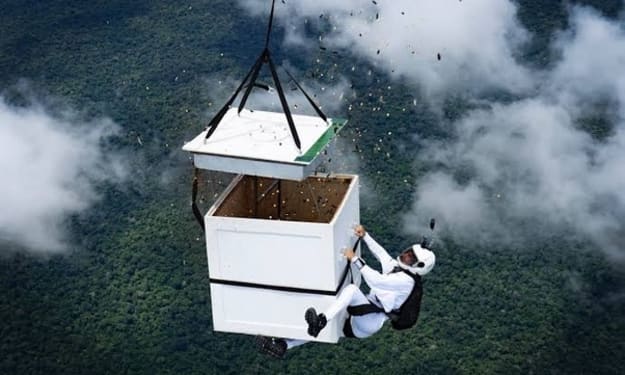
A small cargo aircraft was hovering in the sky at an altitude of 12,000 feet. Inside, Luiji Kani—a famous Brazilian skydiver and environmental worker—stood near the open hatch. In front of him was a large metal box containing 100 million seeds, meant to revive a destroyed part of the Amazon rainforest. This land, once green and full of life, had turned barren due to massive deforestation and devastating fires. Luiji took a deep breath and, without wasting any time, pushed the box out of the aircraft. Within seconds, he followed, diving straight into the open sky.
By Neeraj Tiwari11 months ago in Earth
The Reality of the Illusion of Time
Recently, as I strolled along the short stretch to my strength training session, I aimlessly took in the row of tatty shops and shabby buildings along the route and passed an off-street, in which one of my sisters used to live, around thirteen years ago.
By Chantal Christie Weiss5 days ago in Earth
Chameleon: Nature’s Master of Disguise
Few creatures in the animal kingdom capture the imagination quite like the chameleon. Known for its ability to change color, its slow, deliberate movements, and its incredible eyes that move independently, the chameleon is one of nature’s most extraordinary reptiles. These small but remarkable creatures have inspired scientists, photographers, and animal lovers for centuries.
By Aarif Lashariabout 11 hours ago in Earth



Comments (1)
Good to know. Fashion can be a horrible industry!