
10 World's Most Remote Places: Exploring the Untouched Corners of the Earth
Untouched Corners of the Earth

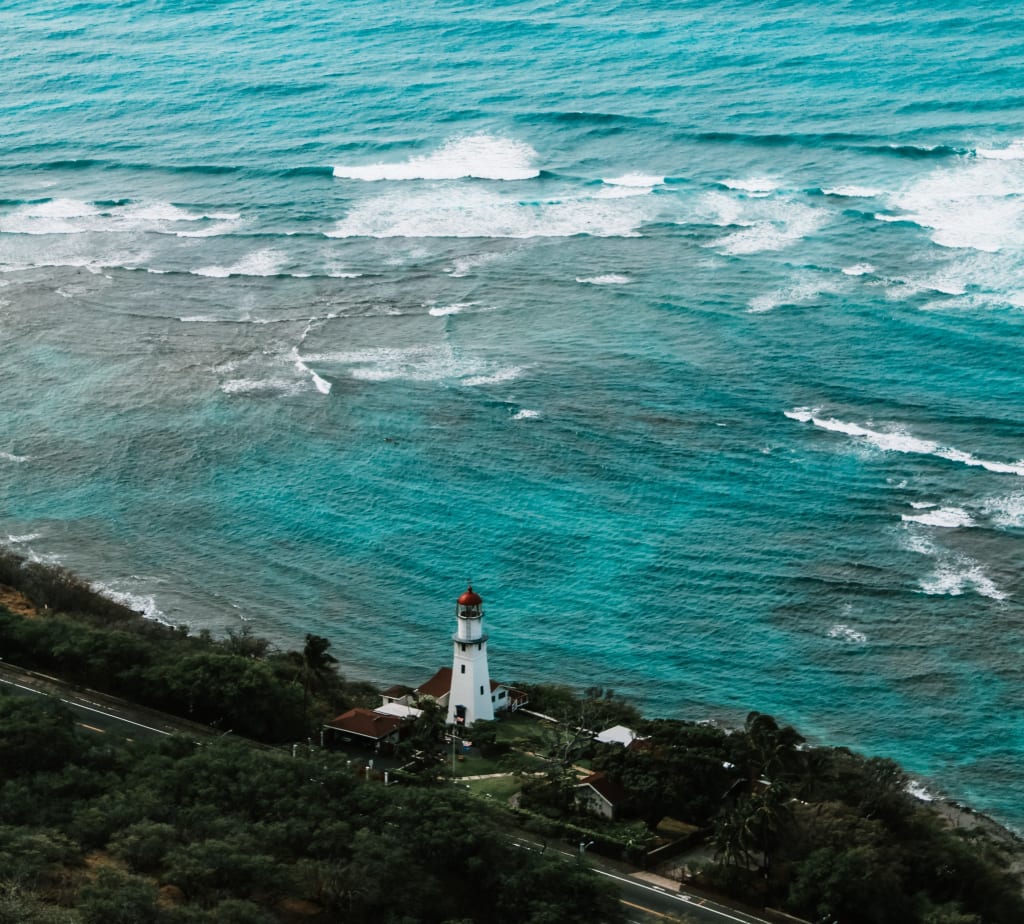
10 World's Most Remote Places
In an increasingly connected and accessible world, there still exist remote places that seem untouched by modern civilization. These remote locations, far removed from bustling cities and tourist hotspots, captivate the imagination and offer a glimpse into the raw beauty and isolation of our planet. In this article, we embark on a journey to explore some of the world's most remote places and discover the unique experiences they offer.
1. Tristan da Cunha, South Atlantic:
Located in the South Atlantic Ocean, Tristan da Cunha is the most remote inhabited archipelago on Earth. With a population of around 250 people, it boasts rugged volcanic landscapes, stunning cliffs, and a vibrant ecosystem. Accessible only by sea, the island offers a glimpse into a way of life untouched by modernity.
2. Pitcairn Island, Pacific Ocean:
Situated in the vastness of the Pacific Ocean, Pitcairn Island is one of the most remote inhabited islands in the world. Home to just over 50 residents, the island's isolation creates a unique community where traditional values and customs are preserved. Its untouched natural beauty, including pristine beaches and lush forests, make it a haven for nature lovers.
3. Kerguelen Islands, Indian Ocean:
Located in the southern Indian Ocean, the Kerguelen Islands are a remote and desolate group of islands often referred to as the "Desolation Islands." These windswept, subantarctic islands are known for their stunning landscapes, including glaciers, lakes, and towering peaks. With no permanent human population, they offer a sanctuary for diverse wildlife, including seals, penguins, and seabirds.
4. Ittoqqortoormiit, Greenland:
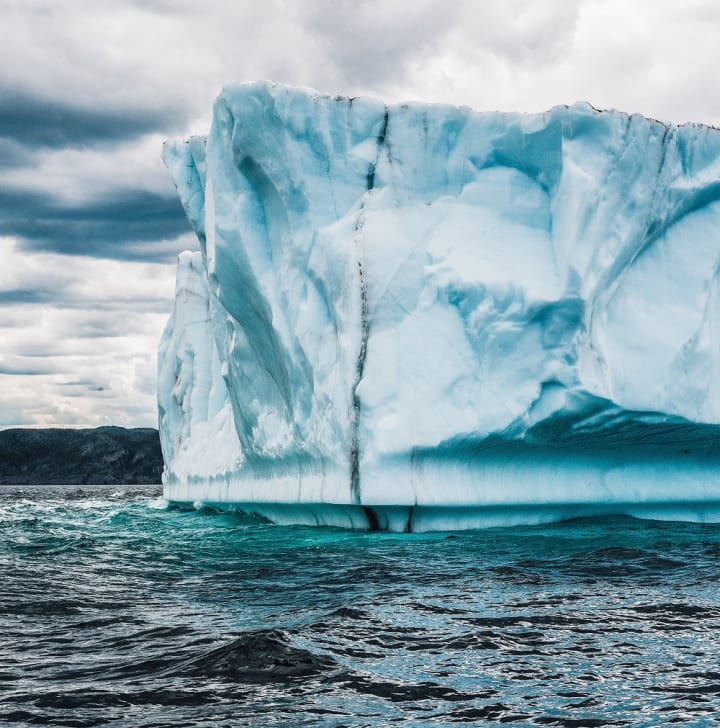
Situated on the eastern coast of Greenland, Ittoqqortoormiit is one of the most remote towns in the world. With a population of around 400 people, this isolated community is surrounded by dramatic fjords, icebergs, and vast Arctic tundra. Visitors can experience dog sledding, witness the Northern Lights, and immerse themselves in the rich Inuit culture.
5. Oymyakon, Russia:
Known as the coldest inhabited place on Earth, Oymyakon is a remote village in northeastern Russia. With temperatures regularly dropping below -50 degrees Celsius (-58 degrees Fahrenheit), it presents an extreme and challenging environment. Despite the harsh conditions, the local community thrives, and visitors can gain insight into the resilience and adaptability of the people living in this remote region.
6. Socotra, Yemen:
Located in the Arabian Sea, Socotra is a remote archipelago that seems like a world apart. Renowned for its otherworldly landscapes and unique flora and fauna, the island is often described as the "Galapagos of the Indian Ocean." Socotra's remote location and limited accessibility have contributed to the preservation of its distinctive biodiversity, making it a paradise for nature enthusiasts.
7. Easter Island, Chile:
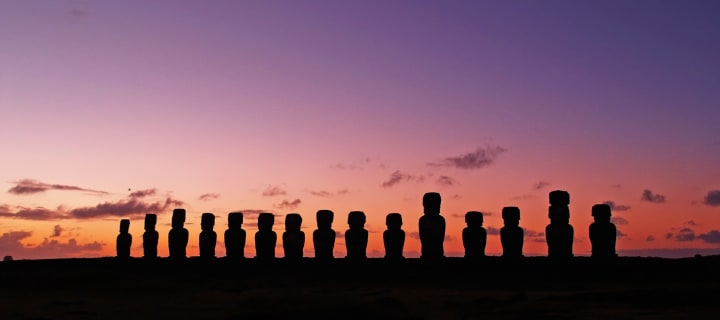
Situated in the southeastern Pacific Ocean, Easter Island, or Rapa Nui, is famous for its enigmatic stone statues called Moai. The island's isolation and its mysterious ancient civilization have captivated the world's curiosity. Exploring the vast landscapes, archaeological sites, and learning about the island's rich history offers a truly remote and immersive experience.
8. Svalbard, Norway:
Located in the Arctic Ocean, Svalbard is an archipelago known for its untouched wilderness, icy landscapes, and abundant wildlife. Despite its remote location, it offers various activities for adventurers, including polar bear spotting, dog sledding, and witnessing the stunning phenomenon of the midnight sun.
9. McMurdo Station, Antarctica:
As the largest research station in Antarctica, McMurdo Station is a remote outpost situated on Ross Island. This scientific base serves as a hub for researchers exploring the unique ecosystem of the continent. Visitors can experience the pristine beauty of Antarctica, witness breathtaking ice formations, and learn about the groundbreaking research conducted in this extreme environment.
10. Nauru, Pacific Ocean:
Nauru is the world's smallest island nation, located in the Central Pacific. Once one of the wealthiest nations due to phosphate mining, Nauru now faces environmental and economic challenges. Despite its remote location, it offers a glimpse into a complex history, stunning coastal landscapes, and a culture shaped by its isolation.
Visiting these remote places is not without its challenges. Limited infrastructure, difficult access, and the need for careful planning are essential considerations. However, for those seeking adventure, a deeper connection with nature, and a chance to explore the far reaches of our planet, these remote places offer a truly unique and unforgettable experience. They remind us of the vastness and diversity of our world, and the importance of preserving these pristine corners for generations to come.
About the Creator
News Bucks
Global News Reporter
Keep reading
More stories from News Bucks and writers in Earth and other communities.
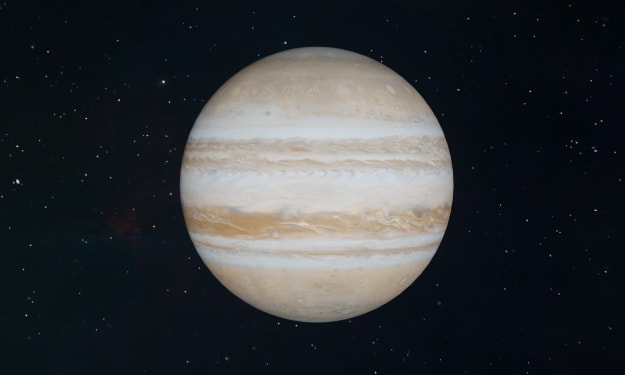
Indian Scientists Discover Alien Planet 13 Times Bigger than Jupiter
Indian Scientists Discover Alien Planet 13 Times Bigger than Jupiter In an exciting scientific breakthrough, Indian scientists have made a significant discovery in the realm of astronomy. They have identified an alien planet that is a staggering 13 times larger than Jupiter, the largest planet in our solar system. This groundbreaking finding not only expands our understanding of exoplanets but also highlights the remarkable contributions of Indian scientists in the field of space exploration. In this article, we delve into the details of this discovery and its implications for our understanding of the universe.
By News Bucks3 years ago in Earth
TODAY’S WEATHER NEWS ACROSS THE UNITED STATES WHAT AMERICANS SHOULD EXPECT RIGHT NOW
TODAY’S WEATHER NEWS ACROSS THE UNITED STATES WHAT AMERICANS SHOULD EXPECT RIGHT NOW Weather conditions continue to be one of the most discussed daily topics across the United States, especially as seasonal transitions bring noticeable changes in temperature, storms, and regional weather patterns. Today’s weather reflects a mix of warming trends, lingering cold pockets, and active systems affecting different parts of the country. From the West Coast to the East Coast, Americans are paying close attention to how temperatures will feel, whether rain or snow is expected, and how conditions may impact daily routines.
By America today about 14 hours ago in Earth
The Reality of the Illusion of Time
Recently, as I strolled along the short stretch to my strength training session, I aimlessly took in the row of tatty shops and shabby buildings along the route and passed an off-street, in which one of my sisters used to live, around thirteen years ago.
By Chantal Christie Weiss5 days ago in Earth


Comments
There are no comments for this story
Be the first to respond and start the conversation.